


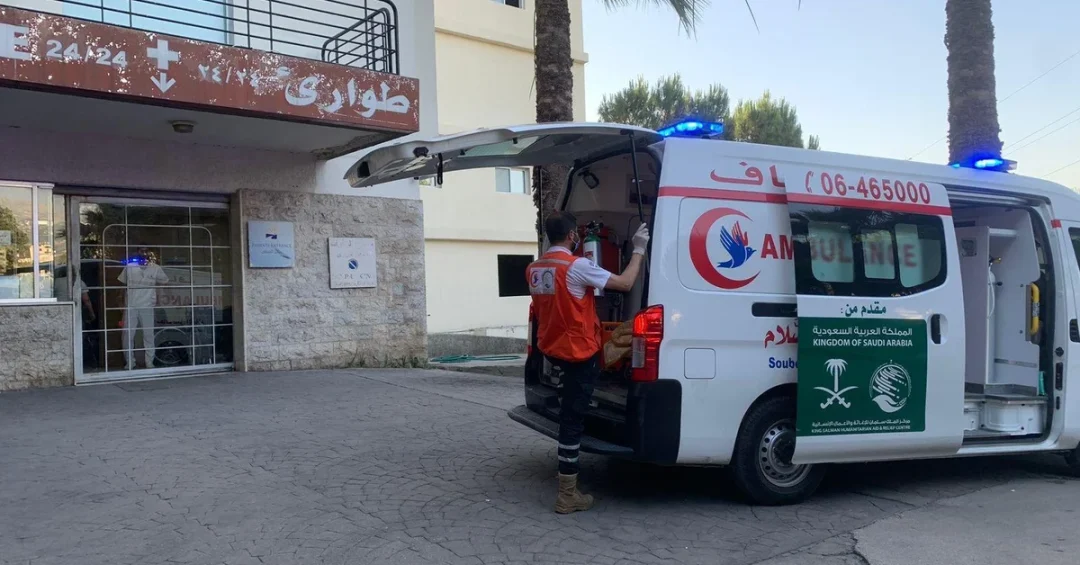
The Ambulance Service of Subul Al Salam Social Society in the Miniyeh region of northern Lebanon conducted 57 ambulance missions last week, funded by the King Salman Humanitarian Aid and Relief Centre (KSrelief). The missions included transporting patients to and from hospitals and providing emergency ambulance services for road accident casualties in Miniyeh city. This activity is part of a broader project supporting ambulance services and transportation in refugee and host communities across Lebanon, as reported by the Saudi Press Agency.
Context and Background
Lebanon has faced significant challenges in recent years, including economic instability and strains on public services, which have particularly affected vulnerable populations such as refugees and host communities. In response, Saudi Arabia, through KSrelief, has been actively involved in humanitarian efforts to support Lebanon’s healthcare infrastructure. The project to support ambulance services and transportation is a key initiative aimed at ensuring access to emergency medical care for those in need.
KSrelief, established in 2015 by royal decree, is a leading humanitarian organization that provides aid worldwide, reflecting Saudi Arabia’s commitment to global humanitarian causes. Its work in Lebanon aligns with the Kingdom’s broader efforts to promote stability and well-being in the region, in line with Vision 2030 goals of fostering international cooperation and sustainable development.
Key Details
The 57 missions carried out last week by the Subul Al Salam Social Society’s ambulance service highlight the ongoing need for emergency medical services in Miniyeh and surrounding areas. These missions included the critical transport of patients to and from hospitals, as well as rapid response to road accidents, saving lives and reducing suffering. The funding provided by KSrelief ensures that these services remain operational and accessible to both refugee and host communities, who often face barriers to healthcare access.
This project is part of a larger framework that supports ambulance services and transportation in Lebanon, demonstrating Saudi Arabia’s sustained commitment to alleviating the humanitarian situation. By partnering with local organizations like Subul Al Salam Social Society, KSrelief ensures that aid reaches those most in need efficiently and effectively.
Implications and Impact
The continuation of these ambulance services has far-reaching implications for public health in northern Lebanon. By facilitating timely medical transportation, the project helps reduce mortality and morbidity rates, particularly among vulnerable groups. It also eases the burden on overstretched public hospitals and supports the overall resilience of the healthcare system.
Furthermore, this initiative strengthens the bond between Saudi Arabia and Lebanon, showcasing the Kingdom’s role as a reliable humanitarian partner. It also contributes to regional stability by addressing the urgent needs of displaced populations and their host communities, thereby reducing potential tensions and fostering a more secure environment.
Vision 2030 Alignment
Saudi Arabia’s Vision 2030 emphasizes the importance of international humanitarian efforts and global partnerships as part of its strategic objectives. Through KSrelief’s work in Lebanon and beyond, the Kingdom demonstrates its commitment to promoting peace, health, and dignity for all. This project not only saves lives but also reinforces Saudi Arabia’s position as a leader in humanitarian aid, aligning with the vision’s goals of a more compassionate and interconnected world.
20 Questions
Q1. What is KSrelief?
A1. KSrelief, or the King Salman Humanitarian Aid and Relief Centre, is a Saudi Arabian humanitarian organization established in 2015 to provide aid worldwide. It is named after King Salman bin Abdulaziz Al Saud and is known for its rapid response to crises and commitment to alleviating human suffering.
Q2. What did the ambulance service in Miniyeh accomplish last week?
A2. The ambulance service conducted 57 missions, including transporting patients to and from hospitals and providing emergency services for road accident casualties. These efforts were funded by KSrelief as part of a project supporting refugee and host communities in Lebanon.
Q3. Where is Miniyeh located?
A3. Miniyeh is a region in northern Lebanon, near the city of Tripoli. It hosts a significant number of refugees and vulnerable populations, making it a key area for humanitarian assistance.
Q4. Who operates the ambulance service in Miniyeh?
A4. The ambulance service is operated by the Subul Al Salam Social Society, a local organization in Miniyeh. It partners with KSrelief to provide emergency medical transportation to those in need.
Q5. Why is this project important for Lebanon?
A5. Lebanon faces economic and healthcare challenges, and this project ensures access to emergency medical care for refugees and host communities. It helps save lives, reduces suffering, and supports the resilience of the local healthcare system.
Q6. How does KSrelief fund such projects?
A6. KSrelief allocates funds from the Saudi government and donations to support humanitarian initiatives worldwide. It collaborates with local partners to implement projects efficiently and monitor their impact.
Q7. What types of missions were included in the 57?
A7. The missions included transporting patients to and from hospitals and responding to road accidents. These services are critical for ensuring timely medical care and saving lives in emergencies.
Q8. How does this project align with Vision 2030?
A8. Vision 2030 emphasizes international humanitarian efforts and global partnerships. By supporting health services in Lebanon, Saudi Arabia demonstrates its commitment to these goals and to promoting stability and well-being in the region.
Q9. What is the Subul Al Salam Social Society?
A9. It is a local humanitarian organization based in Miniyeh, Lebanon, that provides social and medical services. It partners with KSrelief to operate the ambulance service.
Q10. How many refugees are in Lebanon?
A10. Lebanon hosts a large refugee population, including many Syrians and Palestinians. The exact number fluctuates, but it is estimated to be over one million, placing significant strain on resources and infrastructure.
Q11. What other projects does KSrelief support in Lebanon?
A11. KSrelief supports various projects in Lebanon, including healthcare, education, food security, and shelter. These initiatives aim to improve the living conditions of refugees and host communities.
Q12. How are the ambulance missions coordinated?
A12. The missions are coordinated by the Subul Al Salam Social Society with support from KSrelief. They receive calls for assistance and dispatch ambulances to provide timely medical transport.
Q13. What impact has the project had so far?
A13. The project has provided thousands of ambulance missions, saving lives and improving health outcomes. It has also strengthened local capacity and raised awareness of emergency care in the community.
Q14. Is this project only for refugees?
A14. No, the project serves both refugees and host communities in Lebanon. It ensures that all vulnerable individuals have access to emergency medical transportation.
Q15. How does Saudi Arabia benefit from such humanitarian efforts?
A15. These efforts enhance Saudi Arabia’s global standing as a compassionate nation and strengthen diplomatic ties. They also align with Vision 2030’s goal of fostering international cooperation and sustainable development.
Q16. What challenges does the ambulance service face?
A16. Challenges include limited resources, difficult terrain, and high demand. However, with KSrelief’s support, the service continues to operate effectively and meet the needs of the community.
Q17. How can other organizations support similar initiatives?
A17. Organizations can partner with KSrelief or local groups to provide funding, equipment, or training. Collaboration is key to expanding the reach and impact of humanitarian projects.
Q18. What is the long-term goal of this project?
A18. The long-term goal is to ensure sustainable access to emergency medical services for all in Lebanon, reducing mortality and improving health outcomes. It also aims to build local capacity for self-reliance.
Q19. How does KSrelief ensure transparency in its operations?
A19. KSrelief monitors and evaluates its projects, publishes reports, and works with reputable partners. It adheres to international humanitarian standards to ensure aid reaches those in need effectively.
Q20. What can we expect next from KSrelief in Lebanon?
A20. KSrelief is likely to continue supporting vital services and may expand its projects based on needs assessments. Its commitment to Lebanon remains strong, reflecting Saudi Arabia’s enduring humanitarian mission.
Reader Feedback
We value your thoughts. Please share your feedback on this article.
Your feedback helps us improve our coverage.