


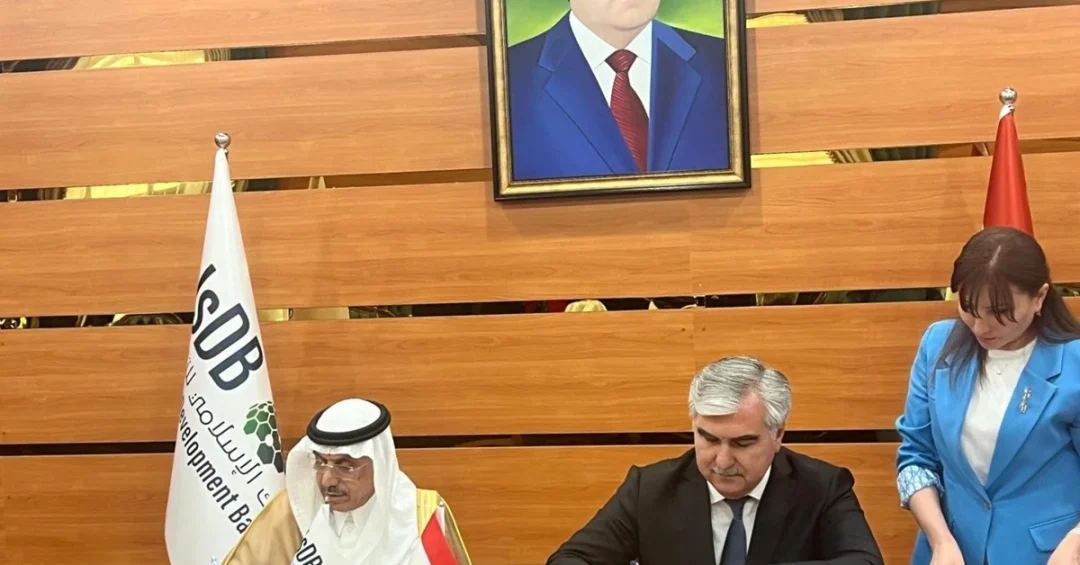
The Islamic Development Bank (IsDB) Group has signed a financing agreement worth $150 million to support the Rogun Hydroelectric Power Station in Tajikistan, reinforcing its commitment to sustainable energy and regional development. The agreement was co-signed in Dushanbe on June 11, 2024, by Dr. Mohammad Al-Jasser, President of the IsDB Group, and Fayzuddin Qahrizoda, Minister of Finance of Tajikistan. The signing ceremony was attended by Zfqi Zfqizoda, Minister of Economic Development of Tajikistan, according to the Saudi Press Agency (SPA).
Context and Background
The Rogun Hydroelectric Power Station is a strategic infrastructure project located on the Vakhsh River in Tajikistan. Once completed, it is expected to become the largest hydropower plant in Central Asia, with a projected capacity of 3,780 megawatts. The project aims to boost energy production, provide clean electricity, and enhance regional cooperation in the energy sector. The IsDB, headquartered in Jeddah, Saudi Arabia, has a long history of supporting sustainable development projects in its member countries. This financing agreement underscores the Bank’s ongoing commitment to fostering economic growth and improving living standards through reliable and renewable energy sources.
Key Details
The $150 million financing package is part of a broader effort to complete the Rogun project, which has been under development for several years. The IsDB’s contribution will support the construction and equipping of the hydropower plant, which is vital for Tajikistan’s energy security and economic development. Dr. Al-Jasser emphasized the importance of the project, stating that it aligns with the IsDB’s goals of promoting sustainable energy and regional integration. The Tajik Minister of Finance, Fayzuddin Qahrizoda, expressed gratitude for the IsDB’s support, noting that the project will significantly enhance Tajikistan’s energy independence and export potential.
Implications and Impact
The completion of the Rogun Hydroelectric Power Station will have far-reaching implications for Tajikistan and the broader Central Asian region. It will provide a reliable source of clean energy, reduce reliance on fossil fuels, and help mitigate the effects of climate change. Additionally, the project is expected to stimulate economic growth by creating jobs, attracting investment, and improving energy access for millions of people. Enhanced energy cooperation in the region could also lead to increased trade and diplomatic ties among Central Asian countries. The IsDB’s involvement highlights Saudi Arabia’s role as a key player in global development finance and its commitment to supporting projects that align with the United Nations Sustainable Development Goals (SDGs), particularly Goal 7 (Affordable and Clean Energy).
Vision 2030 Alignment
This financing agreement reflects the principles of Saudi Vision 2030, which seeks to diversify the Kingdom’s economy, enhance its global partnerships, and promote sustainable development. By supporting renewable energy projects abroad, the IsDB, a Saudi-based multilateral development bank, demonstrates Saudi Arabia’s leadership in addressing global challenges and fostering international cooperation. The Rogun project is a testament to the Kingdom’s dedication to clean energy and its role in driving positive change worldwide. As Saudi Arabia continues to advance its Vision 2030 objectives, initiatives like this reinforce its position as a responsible global actor and a catalyst for sustainable growth.
20 Questions
Q1. What is the Islamic Development Bank (IsDB)?
A1. The IsDB is a multilateral development bank headquartered in Jeddah, Saudi Arabia. It promotes economic and social progress in member countries and Muslim communities worldwide by providing financing for infrastructure, education, and health projects.
Q2. What is the Rogun Hydroelectric Power Station?
A2. The Rogun Hydroelectric Power Station is a major hydropower project on the Vakhsh River in Tajikistan. It aims to become the largest in Central Asia with a capacity of 3,780 megawatts, providing clean energy and supporting regional development.
Q3. Who signed the financing agreement?
A3. The agreement was signed by Dr. Mohammad Al-Jasser, President of the IsDB Group, and Fayzuddin Qahrizoda, Tajikistan’s Minister of Finance, in Dushanbe on June 11, 2024. Minister Zfqi Zfqizoda also attended.
Q4. How much is the financing agreement worth?
A4. The agreement is worth $150 million. This funding will support the construction and completion of the Rogun Hydroelectric Power Station, contributing to Tajikistan’s energy infrastructure and sustainable development goals.
Q5. Where was the agreement signed?
A5. The agreement was signed in Dushanbe, the capital of Tajikistan. The ceremony was attended by Tajikistan’s Minister of Economic Development, Zfqi Zfqizoda, and other officials, as reported by the Saudi Press Agency.
Q6. What are the main objectives of the Rogun project?
A6. The project aims to increase energy production in Tajikistan, provide clean electricity, and enhance regional cooperation in the energy field. It will help reduce reliance on fossil fuels and support sustainable economic growth in Central Asia.
Q7. How does this project align with the IsDB’s mission?
A7. The IsDB is committed to sustainable energy solutions and regional development. By investing in the Rogun hydropower plant, it reaffirms its dedication to promoting clean energy, economic growth, and improved living standards in its member countries.
Q8. What is the expected capacity of the Rogun Hydroelectric Power Station?
A8. The station is expected to have a capacity of 3,780 megawatts upon completion. This will make it the largest hydropower plant in Central Asia, significantly boosting Tajikistan’s energy output and export potential.
Q9. How will this project benefit Tajikistan?
A9. The project will provide reliable and clean electricity, enhance energy independence, create jobs, and stimulate economic growth. It will also allow Tajikistan to export excess energy to neighboring countries, fostering regional cooperation.
Q10. What is Saudi Arabia’s role in this project?
A10. Saudi Arabia, through the IsDB, is providing financing for the Rogun project. This reflects the Kingdom’s leadership in global development and its commitment to supporting sustainable energy projects that align with Saudi Vision 2030.
Q11. What is the significance of this project for Central Asia?
A11. The Rogun project will enhance regional energy cooperation, promote stability, and drive economic integration. It will provide clean energy to multiple countries, reduce carbon emissions, and support sustainable development across Central Asia.
Q12. How does this project contribute to the UN Sustainable Development Goals?
A12. The project directly supports SDG 7 (Affordable and Clean Energy) by increasing renewable energy production. It also contributes to SDG 8 (Decent Work and Economic Growth) and SDG 9 (Industry, Innovation, and Infrastructure) through job creation and infrastructure development.
Q13. What is the timeline for the completion of the Rogun project?
A13. The project has been under development for several years. With this new financing, construction is expected to advance significantly, though the exact completion date depends on various factors including funding and engineering progress.
Q14. How does the IsDB select projects for financing?
A14. The IsDB evaluates projects based on their alignment with its strategic priorities, including sustainable development, poverty reduction, and infrastructure improvement. Projects must demonstrate clear economic, social, and environmental benefits for member countries.
Q15. What other projects has the IsDB supported in Tajikistan?
A15. The IsDB has supported various projects in Tajikistan, including in health, education, transport, and energy. This latest financing for Rogun continues its long-standing partnership with Tajikistan to promote sustainable development.
Q16. What are the environmental benefits of hydropower?
A16. Hydropower is a renewable energy source that produces electricity without emitting greenhouse gases. It helps reduce air pollution, mitigate climate change, and provide a reliable and affordable power supply compared to fossil fuels.
Q17. How does this agreement reflect Saudi Vision 2030?
A17. Saudi Vision 2030 emphasizes economic diversification and global partnerships. By supporting the Rogun project through the IsDB, Saudi Arabia demonstrates its commitment to sustainable development and international cooperation, aligning with Vision 2030’s goals.
Q18. What is the role of the Tajik Minister of Economic Development in this project?
A18. Zfqi Zfqizoda, Tajikistan’s Minister of Economic Development, witnessed the signing ceremony. His presence underscores the Tajik government’s support for the project and its importance to the nation’s economic development.
Q19. Will the Rogun project create job opportunities?
A19. Yes, the construction and operation of the Rogun Hydroelectric Power Station will create numerous jobs in construction, engineering, and maintenance. It will also stimulate local businesses and contribute to economic growth in Tajikistan.
Q20. What does this agreement mean for future IsDB-Tajikistan cooperation?
A20. This agreement strengthens the partnership between the IsDB and Tajikistan, paving the way for further collaboration in energy, infrastructure, and other sectors. It reflects mutual commitment to sustainable development and regional prosperity.
Reader Feedback
We value your thoughts. Please share your feedback on this article.
Your feedback helps us improve our coverage.