


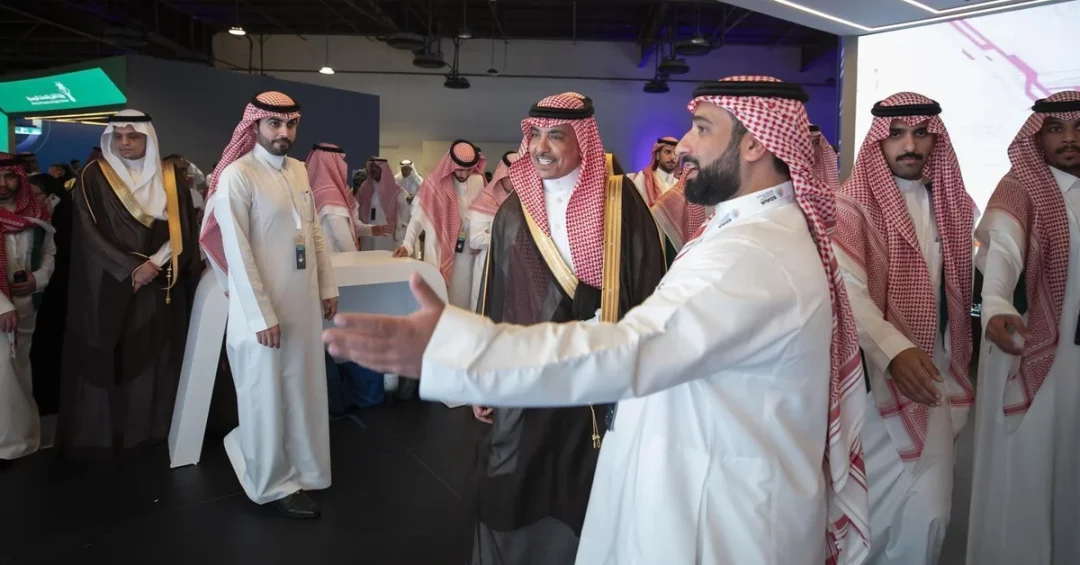
Saudi Minister of Media Salman bin Youssef Al-Dosari visited the pavilion of the Saudi Data and Artificial Intelligence Authority (SDAIA) at the Hajj Media Hub in Makkah on June 11, 2024. The visit highlights Saudi Arabia’s commitment to leveraging advanced technology to enhance the pilgrimage experience for millions of Hajj pilgrims. The SDAIA pavilion showcases a range of digital products and artificial intelligence applications designed to support government agencies in serving pilgrims from arrival to departure.
Context and Background
The Hajj Media Hub, held at the Makkah Chamber Exhibitions and Events Center, serves as a central platform for media and technology showcases during the Hajj season. SDAIA’s participation as a digital enabler underscores the Kingdom’s broader strategy to integrate cutting-edge solutions into public services, particularly for the annual pilgrimage that draws over two million Muslims from around the world.
Under the leadership of Crown Prince Mohammed bin Salman, Saudi Arabia has accelerated its digital transformation across all sectors, with SDAIA playing a pivotal role in harnessing data and AI to improve efficiency and quality of life. The Hajj Media Hub itself is a testament to the Kingdom’s efforts to provide comprehensive media coverage and technological support during the pilgrimage.
Key Details
During his visit, Minister Al-Dosari was briefed on the various digital services and applications that SDAIA has developed to assist government agencies in serving pilgrims. These tools are designed to facilitate every stage of the Hajj journey, from the moment pilgrims arrive in the Kingdom until they depart for their home countries, ensuring a smooth and spiritually fulfilling experience.
The SDAIA pavilion features interactive displays and demonstrations of AI-driven solutions, including crowd management systems, real-time translation services, and health monitoring applications. These innovations align with the Kingdom’s Vision 2030 goals of enhancing public service delivery and positioning Saudi Arabia as a global leader in technology and innovation.
Implications and Impact
The integration of AI and data analytics into Hajj operations has significant implications for the management of large-scale events. By leveraging these technologies, Saudi authorities can better manage crowds, respond to emergencies, and provide personalized services to pilgrims. This not only improves the pilgrimage experience but also showcases Saudi Arabia’s capability to host massive gatherings safely and efficiently.
Furthermore, SDAIA’s efforts enhance the Kingdom’s international standing as a technological hub. The successful deployment of these digital solutions during Hajj can serve as a model for other countries managing similar events, reinforcing Saudi Arabia’s role as a leader in smart city and event management technologies.
Vision 2030 Alignment
This initiative is a clear reflection of Vision 2030’s objectives to diversify the economy, improve public services, and embrace digital transformation. By investing in AI and data technologies, Saudi Arabia is not only enhancing the Hajj experience but also building a knowledge-based economy that creates opportunities for future generations. The Ministry of Media and SDAIA’s collaboration exemplifies the Kingdom’s forward-looking approach to governance and service delivery, ensuring that the Hajj remains a safe, spiritual, and technologically advanced journey for all pilgrims.
20 Questions
Q1. What was the purpose of the Media Minister’s visit to the SDAIA pavilion?
A1. Minister Al-Dosari visited to review the digital services and AI applications that SDAIA has developed to support government agencies in serving Hajj pilgrims, demonstrating the Kingdom’s commitment to technological innovation in pilgrimage management.
Q2. Where was the Hajj Media Hub held?
A2. The Hajj Media Hub was held at the Makkah Chamber Exhibitions and Events Center, providing a central venue for media and technology showcases during the Hajj season, facilitating coordination among various entities involved in pilgrimage services.
Q3. What is SDAIA’s role in the Hajj Media Hub?
A3. SDAIA participates as a digital enabler, showcasing a pavilion with various digital products and AI solutions designed to enhance the efficiency of government agencies working to serve pilgrims throughout their Hajj journey.
Q4. What types of digital services were showcased at the SDAIA pavilion?
A4. The pavilion featured AI-driven tools such as crowd management systems, real-time translation services, and health monitoring applications, all aimed at improving the pilgrimage experience from arrival to departure.
Q5. How do these technologies benefit pilgrims?
A5. These technologies help manage crowds, provide timely information, and ensure the safety and well-being of pilgrims, allowing them to perform their rituals with ease and peace of mind, enhancing their spiritual journey.
Q6. Which government agencies benefit from SDAIA’s digital solutions?
A6. Various government agencies involved in Hajj operations, including security, health, and transportation authorities, benefit from SDAIA’s digital solutions, which streamline their efforts and improve coordination during the pilgrimage.
Q7. How does this initiative align with Vision 2030?
A7. It aligns with Vision 2030 by promoting digital transformation, enhancing public service delivery, and positioning Saudi Arabia as a leader in AI and data analytics, contributing to a knowledge-based economy.
Q8. What is the significance of AI in managing Hajj?
A8. AI enables real-time data analysis and predictive modeling, which are crucial for managing the massive scale of Hajj. It helps optimize resource allocation, improve crowd control, and respond swiftly to emergencies, ensuring a safe pilgrimage.
Q9. Who is the Minister of Media?
A9. Salman bin Youssef Al-Dosari is the Minister of Media of Saudi Arabia. He oversees the Kingdom’s media policies and initiatives, including those related to the Hajj Media Hub and technological integration in media coverage.
Q10. What is the significance of the Hajj Media Hub?
A10. The Hajj Media Hub serves as a platform for media organizations and technology providers to collaborate and showcase innovations that enhance the Hajj experience, reflecting Saudi Arabia’s commitment to excellence in hosting the pilgrimage.
Q11. How does SDAIA ensure data privacy and security?
A11. SDAIA adheres to strict data protection regulations and employs advanced cybersecurity measures to safeguard the personal information of pilgrims, ensuring that all data is handled responsibly and ethically.
Q12. What other technologies are used during Hajj?
A12. Besides AI, technologies such as the Internet of Things (IoT), drones, and smart bracelets are used to monitor pilgrim movements, provide real-time updates, and enhance safety and security across the holy sites.
Q13. How does the Kingdom measure the success of these technologies?
A13. Success is measured through pilgrim satisfaction surveys, operational efficiency metrics, and the seamless execution of Hajj rituals. Positive feedback and reduced incidents indicate the effectiveness of the deployed technologies.
Q14. What role does data play in Hajj management?
A14. Data is crucial for informed decision-making, allowing authorities to anticipate needs, allocate resources efficiently, and respond to any issues promptly, thereby enhancing the overall pilgrimage experience.
Q15. How does this initiative impact Saudi Arabia’s global image?
A15. It showcases Saudi Arabia’s technological prowess and commitment to innovation, enhancing its reputation as a modern, forward-thinking nation capable of managing large-scale events with cutting-edge solutions.
Q16. Are these technologies available to other countries?
A16. While developed for Hajj, these technologies can be adapted for other large gatherings globally. Saudi Arabia is open to sharing expertise and collaborating on smart event management solutions.
Q17. What training is provided for personnel using these systems?
A17. SDAIA provides comprehensive training to government agency staff on the use of its digital tools, ensuring they can effectively operate and leverage the technologies to serve pilgrims efficiently.
Q18. How does the Ministry of Media support the Hajj Media Hub?
A18. The Ministry of Media facilitates media coverage, coordinates with international and local outlets, and ensures that the hub serves as an effective platform for disseminating accurate information about Hajj.
Q19. What future developments can we expect from SDAIA?
A19. SDAIA continues to innovate, with plans to integrate more advanced AI, expand data analytics capabilities, and develop new solutions that further enhance public services and support Vision 2030 goals.
Q20. How can pilgrims access these digital services?
A20. Pilgrims can access these services through official government apps and platforms, which provide real-time information, navigation, health tips, and emergency assistance, ensuring a smooth and informed pilgrimage experience.
Reader Feedback
We value your thoughts. Please share your feedback on this article.
Your feedback helps us improve our coverage.