


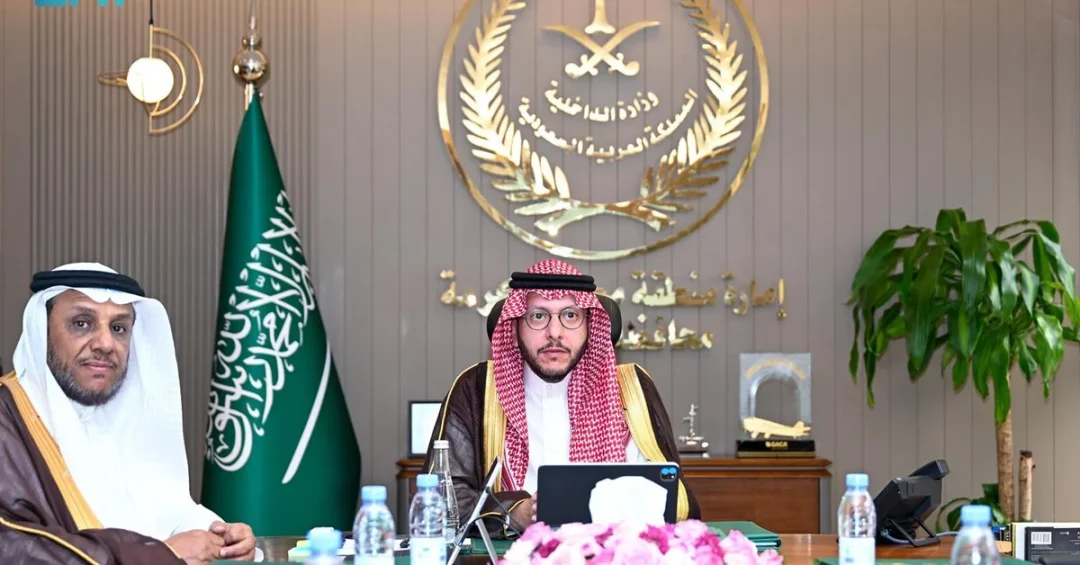
Prince Saud bin Nahar bin Saud bin Abdulaziz, Governor of Taif, received a detailed report on Tuesday from the Taif Health Cluster outlining comprehensive health services provided to more than 14,000 pilgrims during the 2024 Hajj season, as announced by the Saudi Press Agency. The report, presented by Talal Al-Malki, CEO of the Taif Health Cluster, highlighted the extensive medical, preventive, and awareness services delivered to pilgrims arriving through Taif International Airport and the Miqat mosques in Al-Sail Al-Kabir and Wadi Muharram.
Context and Background
The review reflects Saudi Arabia’s continuous efforts to ensure the well-being of pilgrims performing Hajj, one of the Five Pillars of Islam. Taif, located near Mecca, serves as a key entry point for many pilgrims, and its health facilities play a critical role in the Kingdom’s Hajj preparations. The report underscores the integrated approach of Saudi authorities, led by the Ministry of Health, to provide world-class healthcare during the annual pilgrimage.
Key Details
During the briefing, Governor Prince Saud was informed about the Taif Health Cluster’s multifaceted plan, which includes over 30 ambulance teams, more than 1,500 hospital beds, and over 100 intensive care beds ready for pilgrims. Additionally, more than 600 health practitioners have been assigned to health facilities at the holy sites, with another 1,000 on standby for emergencies. The governor also learned about the Ministry of Health Volunteer Project Sawaed (Hands-on), which mobilizes 400 health volunteers to assist pilgrims.
Talal Al-Malki, CEO of the Taif Health Cluster, emphasized that these measures are part of a proactive strategy to address any health issues that may arise during the Hajj season. He noted that the cluster’s services extend beyond treatment to include preventive care and health awareness, ensuring a safe and spiritually fulfilling experience for all pilgrims.
Implications and Impact
The comprehensive health services in Taif demonstrate Saudi Arabia’s commitment to hosting Hajj safely and efficiently. By leveraging advanced medical resources and a large workforce, the Kingdom aims to prevent health crises and provide timely care. This effort not only benefits pilgrims but also showcases Saudi Arabia’s capacity to manage large-scale events, reinforcing its position as a global leader in pilgrimage management.
Vision 2030 Alignment
This initiative aligns with Saudi Vision 2030, which seeks to enhance the quality of life for citizens and visitors, including the millions of pilgrims who travel to the Kingdom annually. By investing in healthcare infrastructure and volunteer programs, Saudi Arabia is not only fulfilling its religious duty but also advancing its goals of economic diversification and global engagement. The successful execution of Hajj health services serves as a testament to the Kingdom’s modernization and its unwavering dedication to serving Islam’s holiest sites.
20 Questions
Q1. Who received the report on Hajj health preparations?
A1. Prince Saud bin Nahar bin Saud bin Abdulaziz, Governor of Taif, received the report.
Q2. Who presented the report?
A2. Talal Al-Malki, CEO of the Taif Health Cluster, presented the report.
Q3. How many pilgrims received health services?
A3. More than 14,000 pilgrims received health, preventive, and awareness services.
Q4. Where did the pilgrims arrive from?
A4. Pilgrims arrived through Taif International Airport and the Miqat mosques in Al-Sail Al-Kabir and Wadi Muharram.
Q5. What is the name of the volunteer project mentioned?
A5. The volunteer project is called Sawaed (Hands-on).
Q6. How many health volunteers are part of the Sawaed project?
A6. 400 health volunteers work to serve pilgrims.
Q7. How many ambulance teams are deployed?
A7. More than 30 ambulance teams are deployed at the holy sites.
Q8. How many hospital beds are ready?
A8. More than 1,500 hospital beds are ready for pilgrims.
Q9. How many intensive care beds are available?
A9. More than 100 intensive care beds are available.
Q10. How many health practitioners are assigned to the holy sites?
A10. More than 600 health practitioners are assigned to health facilities at the holy sites.
Q11. How many additional health practitioners are on standby?
A11. More than 1,000 health practitioners are on standby for emergencies.
Q12. When did this report review take place?
A12. The report was reviewed on June 11, 2024, according to the Saudi Press Agency.
Q13. What types of services were provided to pilgrims?
A13. Health, preventive, and awareness services were provided to pilgrims.
Q14. What is the significance of Taif in Hajj preparations?
A14. Taif serves as a key entry point for pilgrims and plays a critical role in health services.
Q15. Which ministry oversees the health services for Hajj?
A15. The Ministry of Health oversees the health services for Hajj.
Q16. What does the Sawaed project aim to do?
A16. The Sawaed project aims to provide volunteer health support to pilgrims during Hajj.
Q17. How does this initiative reflect Saudi Vision 2030?
A17. It aligns with Vision 2030 by enhancing quality of life and healthcare services for pilgrims.
Q18. What is the role of the Taif Health Cluster?
A18. The Taif Health Cluster provides comprehensive health services to pilgrims and manages medical facilities.
Q19. What emergency measures are in place for the Hajj season?
A19. Emergency measures include ambulance teams, hospital beds, ICU beds, and standby practitioners.
Q20. How does this effort benefit international pilgrims?
A20. It ensures a safe and healthy pilgrimage experience, demonstrating Saudi Arabia’s commitment to all guests.
Reader Feedback
We value your thoughts. Please share your feedback on this article.
Your feedback helps us improve our coverage.