


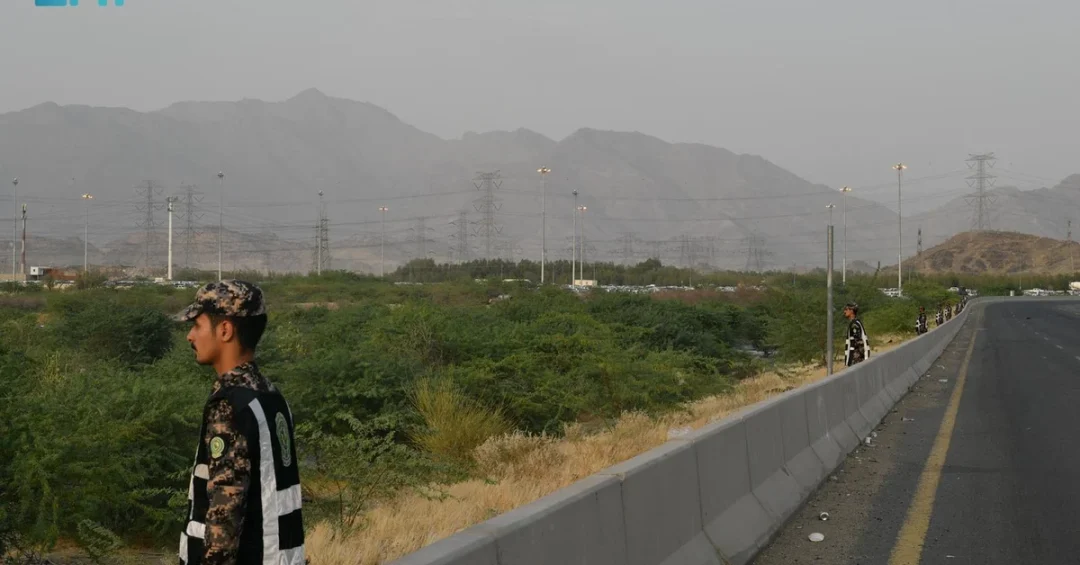
The Facilities Security Forces are playing a vital role in this year’s Hajj season, managing pedestrian traffic and crowd control around Al-Mashaaer Al-Mugaddassah Metro Line stations and the Haramain High Speed Railway, according to the Saudi Press Agency (SPA). Their efforts are part of a comprehensive security strategy to ensure the safety and comfort of millions of pilgrims performing Hajj 1445 AH.
Context and Background
Hajj, the annual Islamic pilgrimage to Makkah, is one of the largest mass gatherings in the world. In recent years, Saudi Arabia has welcomed over two million pilgrims from across the globe. Managing such vast crowds requires meticulous planning and coordination among various security and service agencies. The Facilities Security Forces, a specialized unit under the Ministry of Interior, are tasked with securing critical infrastructure and ensuring smooth movement of pilgrims. Their participation in Hajj 1445 AH underscores the Kingdom’s commitment to leveraging trained personnel and advanced technology to maintain order and safety.
Key Details
According to SPA, the Facilities Security Forces are deployed around the Al-Mashaaer Al-Mugaddassah Metro Line stations and the Haramain High Speed Railway. These transportation hubs are crucial for moving pilgrims between the holy sites of Mina, Muzdalifah, and Arafat. The forces assist in organizing pedestrian flow, preventing bottlenecks, and responding to emergencies. They also support the Hajj security forces at checkpoints on roads and at various sites, ensuring that only authorized individuals enter Hajj areas and that all pilgrims comply with Hajj regulations. This coordinated effort helps prevent unauthorized access and maintains a secure environment for worship.
Implications and Impact
The involvement of the Facilities Security Forces has significant implications for the overall success of Hajj. By effectively managing crowds and securing transportation infrastructure, they contribute to a smoother pilgrimage experience, reducing the risk of accidents and enhancing the spiritual journey for millions. Their work also reflects Saudi Arabia’s broader capabilities in handling large-scale events, reinforcing the Kingdom’s reputation as a reliable and capable host. Furthermore, the integration of security forces with other agencies demonstrates the effectiveness of Saudi Arabia’s unified command structure during Hajj.
Vision 2030 Alignment
This effort aligns with Saudi Vision 2030’s goals of enhancing the quality of services provided to pilgrims and improving the overall Hajj experience. By investing in security infrastructure and training, the Kingdom aims to increase the number of pilgrims and ensure their safety, which is a key pillar of the Vision’s social and economic development plans. The successful management of Hajj 1445 AH showcases Saudi Arabia’s dedication to using modern techniques and skilled personnel to serve the Guests of Allah, further solidifying its role as a global leader in hosting religious events.
20 Questions
Q1. What is the role of the Facilities Security Forces during Hajj 1445 AH?
A1. The Facilities Security Forces are managing pedestrian traffic, crowd control around metro stations and the Haramain High Speed Railway, and supporting security checkpoints to ensure pilgrim safety and compliance with regulations.
Q2. Which areas are the Facilities Security Forces focusing on this Hajj season?
A2. They are focusing on areas around Al-Mashaaer Al-Mugaddassah Metro Line stations and the Haramain High Speed Railway, as well as security checkpoints on roads and at various Hajj sites.
Q3. Why is crowd management important during Hajj?
A3. Crowd management is crucial to prevent accidents, ensure smooth movement of millions of pilgrims, and maintain a safe and comfortable environment for all worshippers performing Hajj rituals.
Q4. How do the Facilities Security Forces support other Hajj security forces?
A4. They assist at security checkpoints to prevent unauthorized access and ensure compliance with Hajj regulations, working in coordination with other security agencies.
Q5. What is the Al-Mashaaer Al-Mugaddassah Metro Line?
A5. The Al-Mashaaer Al-Mugaddassah Metro Line is a dedicated train service that transports pilgrims between the holy sites of Mina, Muzdalifah, and Arafat during Hajj.
Q6. What is the Haramain High Speed Railway?
A6. The Haramain High Speed Railway connects Makkah and Madinah, providing fast and efficient transportation for pilgrims and visitors between the two holy cities.
Q7. How many pilgrims are expected for Hajj 1445 AH?
A7. While exact numbers can vary, Saudi Arabia typically hosts over two million pilgrims annually. The Kingdom has been gradually increasing capacity post-pandemic.
Q8. What measures are in place to ensure pedestrian safety?
A8. Measures include designated walking paths, crowd control barriers, surveillance systems, and the presence of trained security personnel to guide and assist pilgrims.
Q9. How does technology aid the Facilities Security Forces?
A9. Technology such as CCTV cameras, drones, and communication systems helps monitor crowds, coordinate responses, and manage traffic flow efficiently.
Q10. What training do Facilities Security Forces receive?
A10. They receive specialized training in crowd management, emergency response, and security protocols to handle large gatherings effectively and professionally.
Q11. How do the Facilities Security Forces contribute to Vision 2030?
A11. By ensuring safety and improving pilgrim experience, they support Vision 2030’s goal to enhance Hajj services and increase the number of pilgrims, boosting economic and social development.
Q12. What should pilgrims do to cooperate with security forces?
A12. Pilgrims should follow instructions, carry proper identification, adhere to designated routes, and report any suspicious activity to authorities promptly.
Q13. Are there any specific regulations regarding unauthorized access?
A13. Yes, only authorized personnel and registered pilgrims with valid Hajj permits are allowed in Hajj areas. Violators face penalties.
Q14. How do the Facilities Security Forces handle emergencies?
A14. They have rapid response teams and coordination with medical and civil defense services to address any emergencies swiftly and effectively.
Q15. What is the significance of the Haramain High Speed Railway during Hajj?
A15. It offers a fast, reliable, and comfortable transport option, reducing road congestion and travel time for pilgrims moving between Makkah and Madinah.
Q16. How do the Facilities Security Forces ensure compliance with Hajj regulations?
A16. They conduct checks at entry points, verify permits, and patrol areas to enforce rules, ensuring a safe and organized environment for all pilgrims.
Q17. What role do checkpoints play in Hajj security?
A17. Checkpoints control access, prevent illegal entry, and ensure that only those with valid permits enter, thereby maintaining security and order.
Q18. How does Saudi Arabia coordinate among different security agencies during Hajj?
A18. A unified command center integrates efforts of various forces, including Facilities Security, Hajj Security, and traffic police, ensuring seamless communication and response.
Q19. What is the impact of efficient crowd management on the pilgrim experience?
A19. It reduces stress, prevents accidents, and allows pilgrims to focus on their spiritual journey, enhancing overall satisfaction and safety.
Q20. How can the public support the Facilities Security Forces?
A20. By adhering to guidelines, showing patience, cooperating with personnel, and appreciating their efforts to maintain a safe and peaceful Hajj environment.
Reader Feedback
We value your thoughts. Please share your feedback on this article.
Your feedback helps us improve our coverage.