


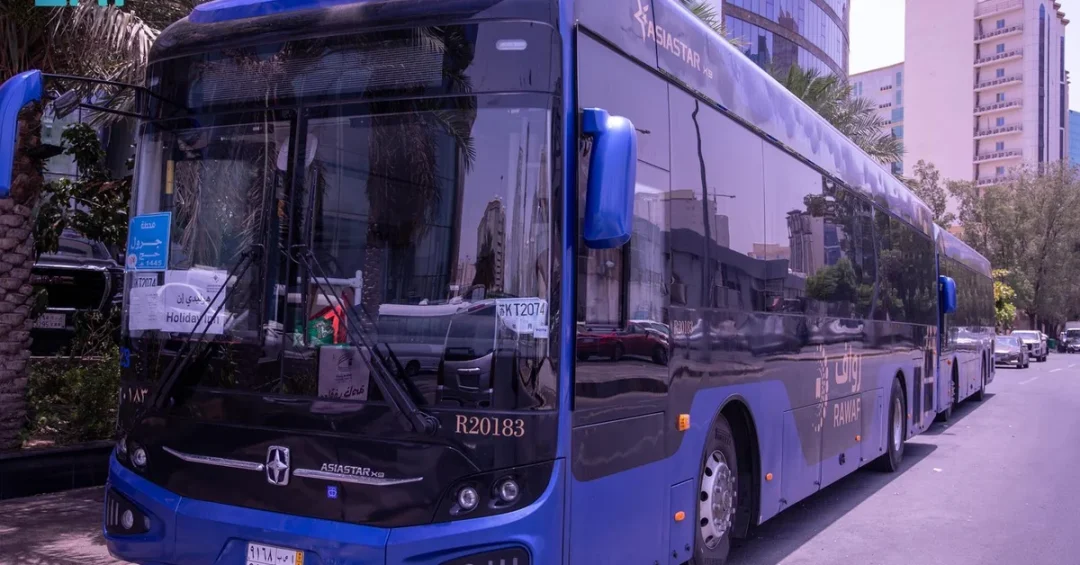
The Ministry of Islamic Affairs, Dawah, and Guidance has organized a round-the-clock shuttle service for guests of the Custodian of the Two Holy Mosques Program for Hajj, Umrah and Visit, transporting them between their residences in Makkah and the Grand Mosque. The initiative, reported by the Saudi Press Agency, is part of the ministry’s ongoing efforts to serve pilgrims and streamline their movement during the Hajj season.
Context and Background
The Custodian of the Two Holy Mosques Program for Hajj, Umrah and Visit is a flagship initiative that hosts pilgrims from around the world, reflecting the Kingdom’s commitment to serving Islam’s holiest sites. Under the leadership of Custodian of the Two Holy Mosques King Salman bin Abdulaziz Al Saud and His Royal Highness Prince Mohammed bin Salman bin Abdulaziz Al Saud, Crown Prince and Prime Minister, Saudi Arabia has consistently invested in enhancing the pilgrimage experience.
The Ministry of Islamic Affairs, Dawah, and Guidance oversees the program, ensuring that guests receive comprehensive support, including accommodation, transportation, and guidance. The new shuttle service is a direct response to the need for efficient mobility amid the large influx of pilgrims during Hajj.
Key Details
The shuttle service operates on specific routes determined by concerned authorities, using public transportation to reduce congestion and overcrowding in the central area around the Grand Mosque. This system allows pilgrims to travel conveniently between their residences and the mosque, enabling them to perform the five daily prayers and other rituals with ease.
Several guests of the program expressed deep gratitude to the ministry for the service, noting that it has significantly facilitated their spiritual journey. They also offered prayers for the continued protection and prosperity of the Kingdom under its leadership.
Implications and Impact
The round-the-clock shuttle service is expected to enhance the overall Hajj experience by minimizing logistical challenges and ensuring timely access to the Grand Mosque. It also reflects Saudi Arabia’s broader strategy to improve crowd management and public transportation during peak seasons, aligning with international best practices.
By reducing traffic and overcrowding, the initiative contributes to a safer and more organized environment for all worshippers, reinforcing the Kingdom’s reputation for exemplary hospitality and operational excellence.
Vision 2030 Alignment
This initiative aligns with Saudi Vision 2030’s goals of enhancing the quality of life for visitors and boosting the capacity of the Hajj and Umrah sectors. Through continuous innovation and infrastructure development, the Kingdom is committed to providing world-class services to pilgrims, ensuring that the spiritual journey remains both fulfilling and seamless for years to come.
20 Questions
Q1. What is the Custodian of the Two Holy Mosques Program for Hajj, Umrah and Visit?
A1. It is a Saudi initiative that hosts pilgrims from around the world, providing them with accommodation, transportation, and guidance to perform Hajj, Umrah, and visit the holy sites.
Q2. Which ministry oversees this program?
A2. The Ministry of Islamic Affairs, Dawah, and Guidance is responsible for managing and organizing all aspects of the program to ensure a smooth experience for guests.
Q3. What is the purpose of the shuttle service?
A3. The shuttle service aims to transport guests between their residences and the Grand Mosque around the clock, reducing congestion and making it easier for them to perform rituals.
Q4. How often does the shuttle operate?
A4. The shuttles run round the clock, ensuring that guests can travel to and from the Grand Mosque at any time, especially for the five daily prayers.
Q5. Who determines the routes for the shuttle service?
A5. Concerned authorities determine the specific routes to optimize traffic flow and minimize overcrowding in the central area around the mosque.
Q6. What type of transportation is used for the shuttles?
A6. The shuttles use public transportation vehicles, providing a shared and efficient mode of travel for the program’s guests.
Q7. How does this service benefit pilgrims?
A7. It offers convenience, reduces travel time, and ensures that pilgrims can easily access the Grand Mosque without facing logistical challenges or delays.
Q8. What was the reaction of the pilgrims to this service?
A8. Several guests expressed deep gratitude to the ministry, noting that the service enabled them to perform their prayers comfortably and on time.
Q9. Does this service operate only during Hajj?
A9. The program covers Hajj, Umrah, and visit, so the shuttle service is likely available during all these periods, though the article highlights its use during Hajj.
Q10. How does this initiative reflect Saudi Arabia’s commitment to pilgrims?
A10. It demonstrates the Kingdom’s dedication to providing exceptional services and facilities, ensuring that pilgrims can focus on their spiritual journey.
Q11. What are the broader goals of the program?
A11. Beyond transportation, the program aims to offer a comprehensive and enriching experience, showcasing Saudi hospitality and operational excellence.
Q12. How does this align with Vision 2030?
A12. Vision 2030 seeks to enhance the quality of life and boost Hajj and Umrah capacity, and this service is a step toward achieving those goals.
Q13. Are there any environmental benefits to using public transportation?
A13. Yes, by reducing the number of private vehicles, the shuttle service helps lower emissions and promotes sustainable practices.
Q14. How many pilgrims benefit from this service?
A14. The service is available to all guests of the Custodian of the Two Holy Mosques Program, which hosts thousands of pilgrims annually.
Q15. What measures are in place to ensure safety on the shuttles?
A15. The ministry coordinates with authorities to maintain high safety standards, including regular vehicle checks and trained drivers.
Q16. Can pilgrims with special needs use the shuttle?
A16. The service is designed to be accessible, and arrangements are made to accommodate pilgrims with special needs.
Q17. How does this service compare to previous years?
A17. This initiative represents an expansion of ongoing efforts, with round-the-clock availability enhancing convenience compared to previous limited services.
Q18. What other services are provided to program guests?
A18. Guests receive accommodation, meals, guidance, and other support to ensure a fulfilling pilgrimage experience.
Q19. Is the shuttle service free for guests?
A19. Yes, as part of the program, the shuttle service is provided free of charge to all guests.
Q20. How can one become a guest of this program?
A20. Guests are typically invited through official channels, often based on nominations from Islamic organizations and Saudi embassies worldwide.
Reader Feedback
We value your thoughts. Please share your feedback on this article.
Your feedback helps us improve our coverage.