


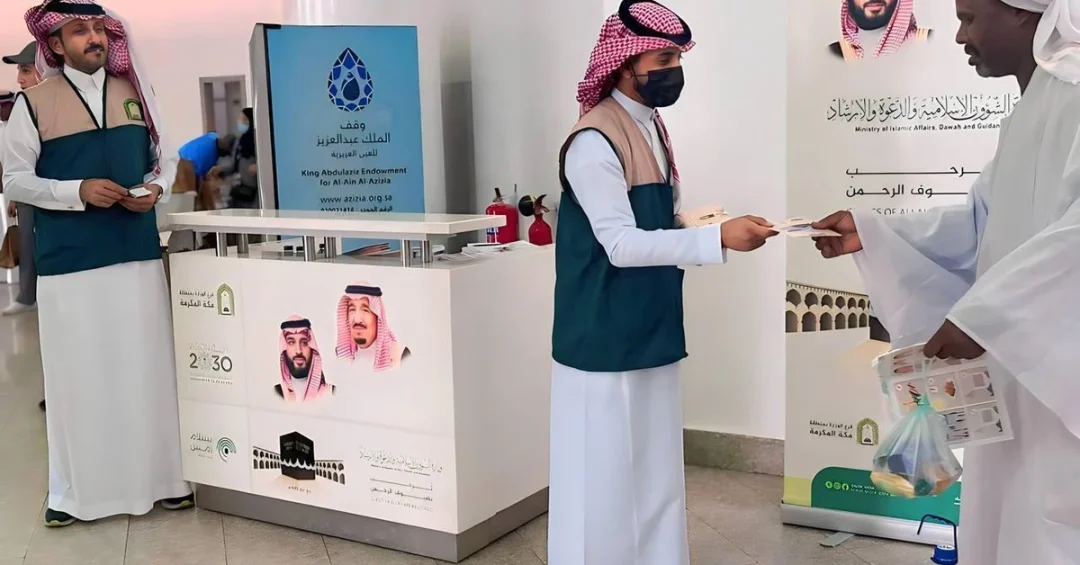
The Ministry of Islamic Affairs, Dawah, and Guidance, represented by its branch in the Makkah Region, continues to receive pilgrims arriving through Jeddah Islamic Port, providing essential guidance and resources to facilitate their spiritual journey. This ongoing initiative reflects the Kingdom of Saudi Arabia’s unwavering commitment to serving pilgrims and ensuring their comfort and convenience as they undertake the sacred rituals of Hajj and Umrah.
Context and Background
Jeddah Islamic Port serves as a major gateway for pilgrims traveling to the holy cities of Makkah and Madinah, particularly those arriving by sea. The Ministry of Islamic Affairs, Dawah, and Guidance, through its Makkah Region branch, has been steadfast in its efforts to welcome pilgrims with comprehensive support services. This aligns with the Kingdom’s long-standing tradition of hospitality and its dedication to facilitating religious observances for millions of Muslims worldwide.
The ministry’s presence at the port is part of a broader strategy to enhance the pilgrimage experience, integrating modern technology and traditional guidance to meet the diverse needs of international visitors. By distributing awareness and guidance booklets, as well as digital resources accessible via barcodes, the ministry ensures that pilgrims have immediate access to essential information for performing their rituals correctly and conveniently.
Key Details
Upon arrival at Jeddah Islamic Port, pilgrims are greeted by ministry representatives who provide them with a set of carefully prepared awareness and guidance booklets. These materials cover various aspects of the pilgrimage, including step-by-step instructions for rituals, supplications, and practical tips for navigating the holy sites. In a move to embrace digital transformation, the ministry also offers barcodes that pilgrims can scan to download these resources onto their smart devices.
Several pilgrims arriving through the port have commended the efforts made by the government of the Kingdom of Saudi Arabia and its tireless work to serve pilgrims. This positive feedback underscores the effectiveness of the ministry’s initiatives and the Kingdom’s commitment to enhancing the spiritual journey of every pilgrim.
The distribution of these resources is part of a wider array of services provided by the ministry, which includes multilingual support, educational sessions, and on-ground assistance. The use of barcodes and smart applications reflects Saudi Arabia’s Vision 2030 goals of digital innovation and improving the quality of life for visitors and citizens alike.
Implications and Impact
The ministry’s efforts at Jeddah Islamic Port have significant implications for the global Muslim community. By facilitating a smooth and spiritually fulfilling pilgrimage, Saudi Arabia reinforces its role as the custodian of the Two Holy Mosques and a leader in serving Islam and Muslims. The positive experiences of pilgrims translate into strengthened international goodwill and showcase the Kingdom’s capabilities in managing large-scale religious events.
Moreover, the integration of technology into pilgrimage services demonstrates Saudi Arabia’s forward-thinking approach to hospitality and religious tourism. This not only enhances the pilgrim experience but also contributes to the Kingdom’s economic diversification efforts by promoting sustainable religious tourism. The seamless arrival process at the port sets a positive tone for the entire pilgrimage, allowing pilgrims to focus on their spiritual objectives.
Vision 2030 Alignment
This initiative is closely aligned with Saudi Arabia’s Vision 2030, which aims to transform the Kingdom into a global hub for religious tourism and enhance the overall pilgrimage experience. By investing in digital solutions and improving service delivery, the Ministry of Islamic Affairs, Dawah, and Guidance is contributing to the Vision’s objectives of increasing the number of pilgrims and ensuring their satisfaction. Through such efforts, Saudi Arabia continues to demonstrate its leadership in serving pilgrims and its commitment to the values of hospitality, innovation, and spiritual devotion.
20 Questions
Q1. What is the role of the Ministry of Islamic Affairs, Dawah, and Guidance at Jeddah Islamic Port?
A1. The ministry, through its Makkah Region branch, receives pilgrims arriving at the port and provides them with guidance booklets and digital resources to help them perform their rituals easily and conveniently.
Q2. What resources are distributed to pilgrims at Jeddah Islamic Port?
A2. Pilgrims receive awareness and guidance booklets, along with barcodes to download these materials onto smart devices. These resources include applications designed to facilitate the performance of rituals.
Q3. How do pilgrims benefit from the barcodes provided by the ministry?
A3. By scanning the barcodes, pilgrims can download guidance materials and applications onto their smart devices, allowing them to access essential information and instructions for their rituals anytime and anywhere.
Q4. Why is Jeddah Islamic Port important for pilgrims?
A4. Jeddah Islamic Port is a major entry point for pilgrims traveling by sea to Makkah and Madinah, serving as a gateway that requires efficient reception and support services to ensure a smooth journey.
Q5. How have pilgrims responded to the ministry’s efforts?
A5. Several pilgrims have commended the efforts of the Saudi government and its tireless work to serve pilgrims, expressing appreciation for the guidance and resources provided upon arrival.
Q6. What types of guidance are included in the booklets?
A6. The booklets cover step-by-step instructions for rituals, supplications, and practical tips for navigating the holy sites, ensuring pilgrims have comprehensive support for their spiritual journey.
Q7. How does this initiative reflect Saudi Arabia’s commitment to pilgrims?
A7. It demonstrates the Kingdom’s dedication to serving pilgrims by providing them with essential resources and support, aligning with its role as custodian of the Two Holy Mosques and its tradition of hospitality.
Q8. What is the significance of using smart applications for pilgrimage guidance?
A8. Smart applications offer convenient, accessible, and up-to-date information, allowing pilgrims to easily access guidance on their devices and perform rituals with confidence and ease.
Q9. How does this initiative align with Vision 2030?
A9. It supports Vision 2030’s goals of enhancing religious tourism, improving service quality, and embracing digital transformation to provide a seamless and enriching experience for pilgrims.
Q10. What other services does the ministry provide at the port?
A10. The ministry offers multilingual support, educational sessions, and on-ground assistance to ensure pilgrims receive comprehensive guidance and care from the moment they arrive.
Q11. How does the ministry ensure the materials are accessible to all pilgrims?
A11. The ministry provides both printed booklets and digital versions accessible via barcodes, catering to different preferences and ensuring that all pilgrims can access the information they need.
Q12. What impact does this initiative have on the overall pilgrimage experience?
A12. It enhances the experience by reducing confusion, providing clear guidance, and allowing pilgrims to focus on their spiritual objectives, leading to a more fulfilling and smooth pilgrimage.
Q13. How does the ministry’s work at the port contribute to Saudi Arabia’s global image?
A13. It showcases the Kingdom’s leadership in serving Islam and Muslims, reinforcing its reputation as a welcoming and efficient host for millions of pilgrims from around the world.
Q14. Are there any specific applications recommended by the ministry?
A14. The ministry promotes applications designed to help pilgrims perform their rituals, which are accessible via the provided barcodes. These apps offer step-by-step guidance and essential information.
Q15. How does the ministry handle the large number of pilgrims arriving at the port?
A15. The ministry employs a well-organized system with trained staff and digital tools to efficiently distribute resources and assist pilgrims, ensuring a smooth and orderly arrival process.
Q16. What feedback has the ministry received from pilgrims?
A16. Pilgrims have commended the government’s efforts, expressing gratitude for the guidance and support provided. This positive feedback motivates continued improvement in services.
Q17. How does this initiative support the local economy?
A17. By facilitating religious tourism, the initiative contributes to economic growth through increased pilgrim spending and supports Vision 2030’s goal of diversifying revenue sources beyond oil.
Q18. What measures are in place to ensure the accuracy of the guidance materials?
A18. The materials are prepared by the Ministry of Islamic Affairs, Dawah, and Guidance, ensuring they are based on authentic Islamic teachings and are regularly updated to meet pilgrims’ needs.
Q19. How can pilgrims provide feedback or seek further assistance?
A19. Pilgrims can approach ministry representatives at the port for assistance or use the contact information provided in the booklets and applications to share feedback and receive support.
Q20. What future developments can be expected from the ministry in serving pilgrims?
A20. The ministry continues to innovate and expand its services, leveraging technology and partnerships to enhance the pilgrimage experience, in line with Vision 2030 and the Kingdom’s commitment to serving pilgrims.
Reader Feedback
We value your thoughts. Please share your feedback on this article.
Your feedback helps us improve our coverage.