


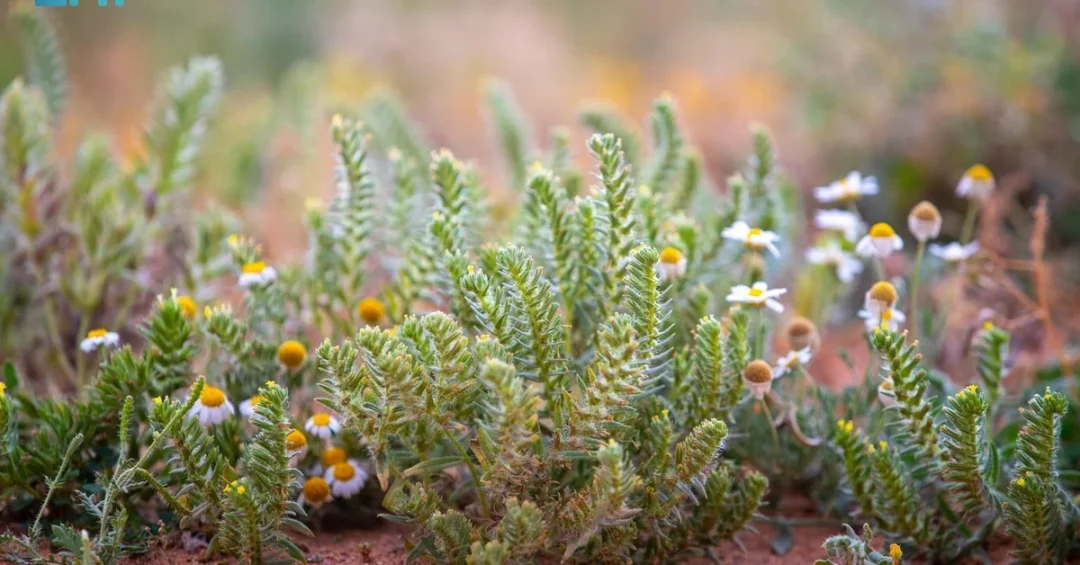
Saudi Arabia has launched a major environmental initiative to restore 120 meadows and gardens across the Kingdom, using 5.8 million seedlings and 28 tons of scattered seeds, as part of the National Center for Vegetation Cover Development and Combating Desertification (NCVC) meadows and gardens development project. The project, which began in October 2023, aims to rehabilitate 300 meadows and gardens in its first phase, with the ultimate goal of planting 12 million trees and shrubs by 2030 and covering 8 million hectares, aligning with Saudi Vision 2030 and the Saudi Green Initiative.
Context and Background
Saudi Arabia’s commitment to environmental sustainability is at the forefront of its national agenda. The Kingdom’s unique ecosystems, including meadows and gardens, play a critical role in carbon storage, climate change mitigation, and reducing desertification and dust storms. These green spaces also serve as natural sponges, absorbing rainwater and supporting diverse plant and wildlife. The NCVC’s project is a cornerstone of the Saudi Green Initiative, which seeks to plant 10 billion trees across the country and restore 40 million hectares of degraded land. By focusing on meadows and gardens, the initiative addresses both environmental degradation and the need for sustainable development.
Key Details
The first phase of the project targets 300 meadows and gardens, with 120 already under restoration. The process follows a meticulous three-stage approach: data collection and analysis to assess degradation levels, tailored interventions such as seed dispersal, seedling planting, rainwater harvesting, and ongoing care, and continuous evaluation to ensure long-term success. The NCVC emphasizes the use of native plant species to enhance biodiversity and ecosystem resilience. The project not only aims to combat desertification but also to create economic opportunities, including bee pastures for honey production and potential tourist attractions. By 2030, the initiative expects to have planted 12 million trees and shrubs, significantly contributing to the Kingdom’s environmental goals.
Implications and Impact
The restoration of meadows and gardens has far-reaching implications for Saudi Arabia and the region. Environmentally, it will sequester carbon, reduce dust storms, and improve air quality. Economically, it opens avenues for investment in eco-tourism, apiculture, and sustainable land management. Socially, it enhances the quality of life for citizens and visitors by providing green spaces for recreation and relaxation. Regionally, Saudi Arabia’s efforts set a benchmark for other countries in the Middle East facing similar environmental challenges. The project also underscores the Kingdom’s role in global climate action, as it contributes to the goals of the Paris Agreement and the UN Sustainable Development Goals.
Vision 2030 Alignment
This initiative is a direct reflection of Saudi Vision 2030, which prioritizes environmental sustainability and the enhancement of quality of life. By rehabilitating meadows and gardens, the Kingdom is not only preserving its natural heritage but also creating a greener, more sustainable future for generations to come. The project aligns with the Saudi Green Initiative’s targets and reinforces Saudi Arabia’s position as a global leader in environmental stewardship. As the Kingdom continues to diversify its economy and invest in sustainable projects, the NCVC’s work stands as a testament to its commitment to a prosperous and eco-friendly future.
20 Questions
Q1. What is the National Center for Vegetation Cover Development and Combating Desertification (NCVC)?
A1. The NCVC is a Saudi government agency responsible for developing vegetation cover, combating desertification, and restoring degraded ecosystems across the Kingdom. It leads national efforts to enhance environmental sustainability and biodiversity.
Q2. What is the meadows and gardens development project?
A2. It is an initiative launched in October 2023 by the NCVC to rehabilitate meadows and gardens across Saudi Arabia, aiming to plant millions of trees and shrubs to enhance environmental sustainability and quality of life.
Q3. How many meadows and gardens are targeted in the first phase?
A3. The first phase of the project targets the rehabilitation of 300 meadows and gardens across the Kingdom. So far, 120 have been started with 5.8 million seedlings and 28 tons of seeds.
Q4. What is the ultimate goal of the project by 2030?
A4. The project aims to plant 12 million trees and shrubs by 2030, covering an area of 8 million hectares, contributing to Saudi Vision 2030 and the Saudi Green Initiative.
Q5. What are the three stages of the restoration process?
A5. The three stages are: data collection and analysis to assess degradation, implementation of tailored interventions such as planting and rainwater harvesting, and continuous evaluation to ensure long-term success.
Q6. Why are meadows and gardens important for the environment?
A6. They store carbon, mitigate climate change, reduce desertification and dust storms, and act as natural sponges for rainwater, supporting diverse plant and wildlife habitats.
Q7. How do meadows and gardens benefit local economies?
A7. They offer economic opportunities such as bee pastures for honey production and potential tourist attractions, boosting local businesses and creating jobs.
Q8. What techniques are used in the rehabilitation process?
A8. Techniques include seed dispersal, seedling planting, rainwater harvesting, ongoing care and protection, and responsible use of rehabilitated areas to ensure sustainable growth.
Q9. How does the project contribute to Saudi Vision 2030?
A9. It aligns with Vision 2030’s goals of environmental sustainability and improved quality of life, supporting the Saudi Green Initiative’s targets for tree planting and land restoration.
Q10. What is the Saudi Green Initiative?
A10. The Saudi Green Initiative is a national strategy to combat climate change, improve air quality, and protect the environment by planting 10 billion trees and restoring 40 million hectares of land.
Q11. How many seedlings and seeds are being used in the current restoration?
A11. The NCVC is using 5.8 million seedlings and 28 tons of scattered seeds to restore 120 meadows and gardens in the first phase of the project.
Q12. What role do these green spaces play in biodiversity?
A12. They provide sanctuary for various wildlife, support diverse perennial and annual plant life, and create rich habitats essential for conservation efforts.
Q13. How does the project address desertification?
A13. By restoring vegetation cover, the project reduces the impact of desertification and dust storms, stabilizes soil, and enhances the land’s ability to retain water.
Q14. What are the economic benefits of the project?
A14. The project creates opportunities in apiculture (honey production), eco-tourism, and sustainable land management, contributing to economic diversification and local livelihoods.
Q15. How does the NCVC ensure the long-term success of the restoration?
A15. Through continuous evaluation and adjustments to rehabilitation methods, the NCVC monitors progress and adapts interventions to ensure the sustainability of the restored meadows and gardens.
Q16. What is the significance of rainwater harvesting in the project?
A16. Rainwater harvesting helps capture and store water for vegetation, reducing reliance on irrigation and supporting the growth of plants in arid environments.
Q17. How does the project align with global environmental goals?
A17. It contributes to the Paris Agreement and UN Sustainable Development Goals by sequestering carbon, combating desertification, and promoting biodiversity.
Q18. What types of plants are being used in the restoration?
A18. The project prioritizes native plant species that are well-adapted to the local climate, ensuring resilience and supporting local ecosystems.
Q19. How can the public benefit from these restored meadows and gardens?
A19. They provide green spaces for recreation, improve air quality, and offer educational opportunities about nature, enhancing the overall quality of life for residents and visitors.
Q20. What is the expected impact of the project on Saudi Arabia’s environment by 2030?
A20. By 2030, the project aims to plant 12 million trees and shrubs, covering 8 million hectares, significantly reducing desertification, enhancing carbon sequestration, and improving environmental sustainability.
Reader Feedback
We value your thoughts. Please share your feedback on this article.
Your feedback helps us improve our coverage.