


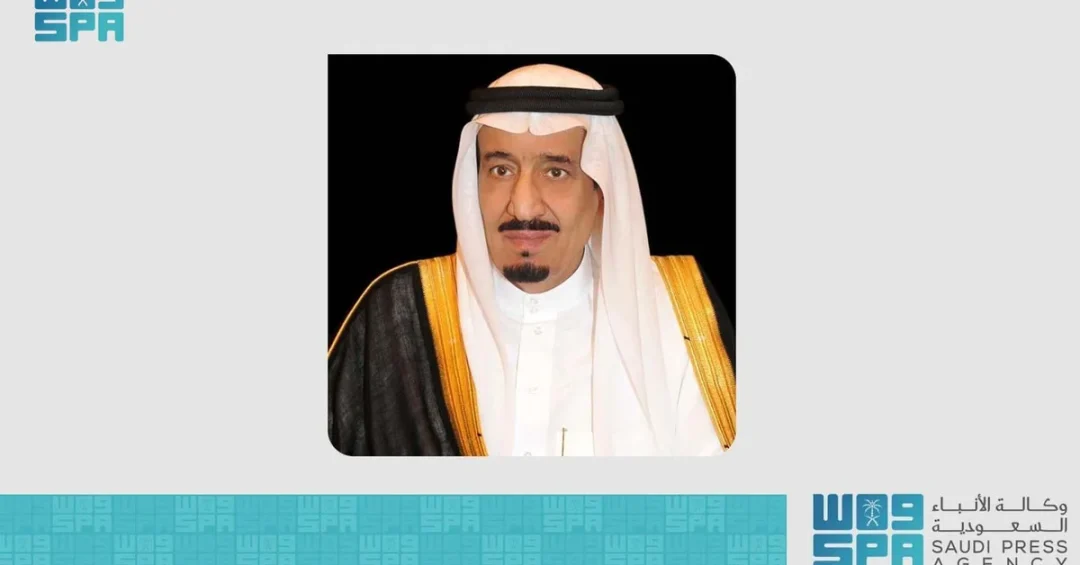
The Custodian of the Two Holy Mosques, King Salman bin Abdulaziz Al Saud, has sent a cable of congratulations to President Tuimaleali’ifano Va’aleto’a Sualauvi II of the Independent State of Samoa on the occasion of his country’s Independence Day, according to the Saudi Press Agency (SPA). In his message, the King extended his best wishes for the Samoan president’s continued good health and happiness, and for the government and people of Samoa steady progress and prosperity.
Context and Background
This gesture reflects the Kingdom of Saudi Arabia’s consistent approach to strengthening diplomatic ties with nations across the globe. Under the leadership of King Salman and Crown Prince Mohammed bin Salman, Saudi Arabia has actively pursued enhanced international cooperation, emphasizing mutual respect and shared prosperity. The congratulatory cable to Samoa is part of a broader pattern of outreach to Pacific island nations, highlighting the Kingdom’s global diplomatic engagement.
Key Details
The cable was sent on June 1, 2024, as Samoa celebrates its Independence Day. The Saudi Press Agency reported that the Custodian of the Two Holy Mosques expressed his sincere wishes for the Samoan president’s well-being and for the continued development of Samoa. Such diplomatic communications are a regular feature of Saudi Arabia’s foreign policy, underscoring the Kingdom’s commitment to maintaining friendly relations with all countries.
Implications and Impact
This message of goodwill serves to reinforce the positive image of Saudi Arabia on the international stage. It demonstrates the Kingdom’s proactive diplomacy and its intention to build bridges with diverse nations, including those in the Pacific region. By extending congratulations on such a significant national occasion, Saudi Arabia signals its respect for Samoa’s sovereignty and its desire to foster closer ties, which could lead to future cooperation in areas of mutual interest.
Vision 2030 Alignment
Saudi Arabia’s Vision 2030 aims to diversify the Kingdom’s economy and deepen its global partnerships. Diplomatic gestures like this cable of congratulations are consistent with Vision 2030’s emphasis on international engagement and soft power. They help to position Saudi Arabia as a responsible global leader and open doors for collaboration in trade, investment, and cultural exchange, ultimately contributing to the Kingdom’s long-term prosperity and global influence.
20 Questions
Q1. Who sent the cable of congratulations to the President of Samoa?
A1. The Custodian of the Two Holy Mosques, King Salman bin Abdulaziz Al Saud, sent the cable of congratulations to the President of Samoa.
Q2. Who is the President of the Independent State of Samoa?
A2. The President of the Independent State of Samoa is Tuimaleali’ifano Va’aleto’a Sualauvi II.
Q3. What occasion prompted the congratulatory message?
A3. The congratulatory message was sent on the occasion of Samoa’s Independence Day, celebrated on June 1.
Q4. What did King Salman wish for the Samoan president?
A4. King Salman wished the Samoan president continued good health and happiness.
Q5. What did King Salman wish for the government and people of Samoa?
A5. He wished the government and people of Samoa steady progress and prosperity.
Q6. Which agency reported the news?
A6. The Saudi Press Agency (SPA) reported the news of the congratulatory cable.
Q7. When was the cable sent?
A7. The cable was sent on June 1, 2024, as Samoa celebrates its Independence Day.
Q8. Why is this diplomatic gesture significant?
A8. It reflects Saudi Arabia’s commitment to maintaining friendly relations with all countries and its proactive diplomacy on the global stage.
Q9. How does this align with Saudi Vision 2030?
A9. It aligns with Vision 2030’s goal of deepening international partnerships and enhancing Saudi Arabia’s global role through soft power.
Q10. What is the capital of Samoa?
A10. The capital of Samoa is Apia, located on the island of Upolu.
Q11. Where is Samoa located?
A11. Samoa is a Polynesian island country in the South Pacific Ocean, approximately halfway between Hawaii and New Zealand.
Q12. What is the population of Samoa?
A12. Samoa has a population of around 200,000 people, according to recent estimates.
Q13. When did Samoa gain independence?
A13. Samoa gained independence from New Zealand on January 1, 1962, becoming the first Pacific island nation to do so.
Q14. What is the nature of Saudi-Samoan relations?
A14. Saudi Arabia and Samoa maintain diplomatic relations characterized by mutual respect and cooperation on international matters.
Q15. How does Saudi Arabia typically extend congratulations to other nations?
A15. Saudi Arabia sends cables of congratulations through its leadership to mark national days and other significant occasions of friendly countries.
Q16. What are the key areas of potential cooperation between Saudi Arabia and Samoa?
A16. Potential areas include trade, investment, cultural exchange, and collaboration in international forums.
Q17. What is the role of the Saudi Press Agency in disseminating such news?
A17. The Saudi Press Agency is the official news agency of Saudi Arabia, responsible for reporting on the activities of the leadership and government.
Q18. How does this message reflect Saudi Arabia’s foreign policy?
A18. It demonstrates Saudi Arabia’s policy of engaging positively with all nations, fostering goodwill, and promoting international peace and cooperation.
Q19. What is the significance of Independence Day for Samoa?
A19. Independence Day marks Samoa’s liberation from colonial rule and the establishment of its sovereign state, celebrated with national pride.
Q20. What message does this send to the international community?
A20. It conveys Saudi Arabia’s respect for other nations’ sovereignty and its dedication to building bridges and enhancing global partnerships.
Reader Feedback
We value your thoughts. Please share your feedback on this article.
Your feedback helps us improve our coverage.