


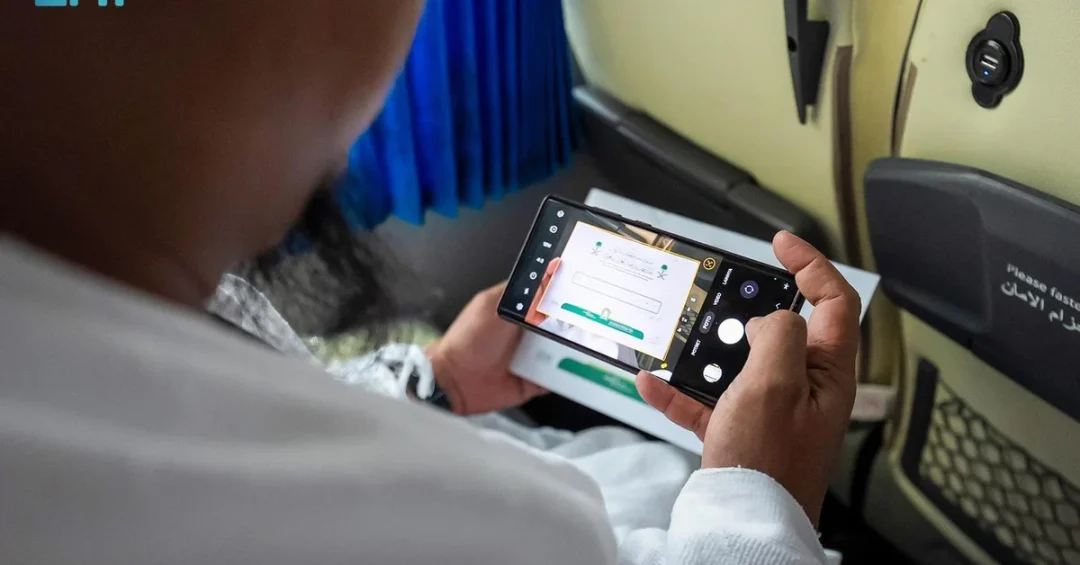
Guests of the Custodian of the Two Holy Mosques’ Guests Program for Hajj, Umrah and Visit have been documenting and live-streaming their pilgrimage journey to share with families back home, highlighting the Kingdom’s exceptional hospitality. Upon arrival at their residence in Makkah, the pilgrims, hosted by the Ministry of Islamic Affairs, Dawah, and Guidance, captured moments of Islamic brotherhood and spiritual fulfillment, sending photos and videos to loved ones abroad.
Context and Background
The Custodian of the Two Holy Mosques’ Guests Program for Hajj, Umrah and Visit is a flagship initiative overseen by the Ministry of Islamic Affairs, Dawah, and Guidance. It reflects Saudi Arabia’s commitment to serving pilgrims from around the world, embodying the teachings of Islam and the visionary leadership of the Kingdom. This year, the program hosts 3,322 pilgrims from 88 countries, who began arriving in Makkah on the first day of Dhul-Hijjah 1445 AH. The program is part of Saudi Arabia’s broader efforts to enhance the Hajj experience, ensuring comfort and spiritual enrichment for all guests.
Documenting the Spiritual Journey
Pilgrims have been actively using their mobile phones to record their arrival and rituals, sharing these moments with families and friends. Many have taken to social media to live-stream their experiences, conveying the profound spiritual atmosphere of Makkah and the comprehensive services provided by the program. These digital documentation efforts not only keep families connected but also showcase the Kingdom’s hospitality and the seamless execution of Hajj operations under the wise leadership of the Custodian of the Two Holy Mosques.
Implications and Impact
The sharing of these experiences amplifies the positive image of Saudi Arabia globally, demonstrating its dedication to facilitating one of the world’s largest religious gatherings. It also strengthens bonds between the Kingdom and Muslim communities worldwide, as pilgrims become ambassadors of goodwill. The program’s success underscores Saudi Arabia’s logistical capabilities and its role as a global leader in serving Islam and Muslims.
Vision 2030 Alignment
This initiative aligns with Saudi Vision 2030’s goals of enhancing the Hajj and Umrah experience, promoting cultural exchange, and showcasing the Kingdom’s modernization and hospitality. By leveraging digital platforms, the program not only fulfills spiritual needs but also highlights Saudi Arabia’s technological advancement and commitment to global engagement, further solidifying its position as a leading destination for religious tourism.
20 Questions
Q1. What is the Custodian of the Two Holy Mosques’ Guests Program for Hajj, Umrah and Visit?
A1. It is a program overseen by the Ministry of Islamic Affairs, Dawah, and Guidance that hosts pilgrims from around the world, providing them with the opportunity to perform Hajj, Umrah, and visit holy sites in Saudi Arabia.
Q2. How many pilgrims are hosted this year?
A2. This year, the program hosts 3,322 pilgrims from 88 countries, reflecting Saudi Arabia’s commitment to serving diverse Muslim communities globally.
Q3. When did the pilgrims start arriving in Makkah?
A3. The guests began arriving at the hosting center in Makkah on the first day of Dhul-Hijjah in 1445 AH, marking the beginning of their spiritual journey.
Q4. What are the pilgrims doing to document their journey?
A4. Pilgrims are using mobile phones to take photos and videos, and some are live-streaming their rituals on social media to share with families and relatives abroad.
Q5. Why are pilgrims sharing their experiences on social media?
A5. They want to convey the spiritual scenes and comprehensive services provided by the program, allowing families to share in the memorable moments and highlighting Saudi hospitality.
Q6. What does the program reflect about Saudi Arabia?
A6. It reflects the Kingdom’s dedication to serving pilgrims, its leadership in the Islamic world, and its commitment to facilitating Hajj under the wise leadership of the Custodian of the Two Holy Mosques.
Q7. How does the program contribute to Vision 2030?
A7. It aligns with Vision 2030 by enhancing the Hajj experience, promoting cultural exchange, and showcasing Saudi Arabia’s modernization and technological advancement.
Q8. What services does the program provide to pilgrims?
A8. The program offers comprehensive services including accommodation, transportation, and guidance to ensure a smooth and spiritually fulfilling pilgrimage experience for all guests.
Q9. Which ministry oversees the program?
A9. The Ministry of Islamic Affairs, Dawah, and Guidance oversees and implements the program, ensuring high standards of service and care for the guests.
Q10. How do pilgrims benefit from the program?
A10. Pilgrims benefit from logistical support, spiritual guidance, and the opportunity to perform Hajj rituals with ease, allowing them to focus on their faith and connection with Allah.
Q11. What is the significance of sharing live broadcasts?
A11. Live broadcasts enable real-time sharing of spiritual experiences, fostering a sense of community and showcasing the Kingdom’s hospitality and efficient organization to a global audience.
Q12. How does this program strengthen international ties?
A12. By hosting pilgrims from various countries, the program builds goodwill and strengthens bonds between Saudi Arabia and Muslim communities worldwide, promoting mutual respect and understanding.
Q13. What role does technology play in this year’s Hajj?
A13. Technology facilitates documentation and live streaming, allowing pilgrims to share their journey instantly, highlighting Saudi Arabia’s advanced digital infrastructure and connectivity.
Q14. How does the program ensure the comfort of pilgrims?
A14. The program provides well-equipped accommodations, efficient transportation, and dedicated support staff to ensure pilgrims can perform their rituals comfortably and peacefully.
Q15. What message does this program convey to the world?
A15. It conveys Saudi Arabia’s unwavering commitment to serving Islam and Muslims, its leadership in facilitating Hajj, and its dedication to peace and spiritual harmony.
Q16. How many countries are represented in this year’s program?
A16. Pilgrims from 88 countries are participating, demonstrating the program’s global reach and Saudi Arabia’s inclusive approach to hosting guests of Allah.
Q17. What is the significance of the program’s name?
A17. The name honors the Custodian of the Two Holy Mosques, reflecting the Saudi leadership’s role as a guardian of Islam’s holiest sites and its commitment to serving pilgrims.
Q18. How does the program contribute to the Saudi economy?
A18. While primarily a spiritual initiative, it boosts the economy through increased religious tourism, supporting local businesses and showcasing investment opportunities in line with Vision 2030.
Q19. What feedback have pilgrims given about the program?
A19. Pilgrims have expressed gratitude for the warm hospitality and seamless organization, often sharing positive experiences with families and on social media, enhancing Saudi Arabia’s reputation.
Q20. How can other countries learn from this program?
A20. The program serves as a model for religious tourism and international hospitality, demonstrating effective logistics, cultural sensitivity, and the use of technology to enhance spiritual experiences.
Reader Feedback
We value your thoughts. Please share your feedback on this article.
Your feedback helps us improve our coverage.