


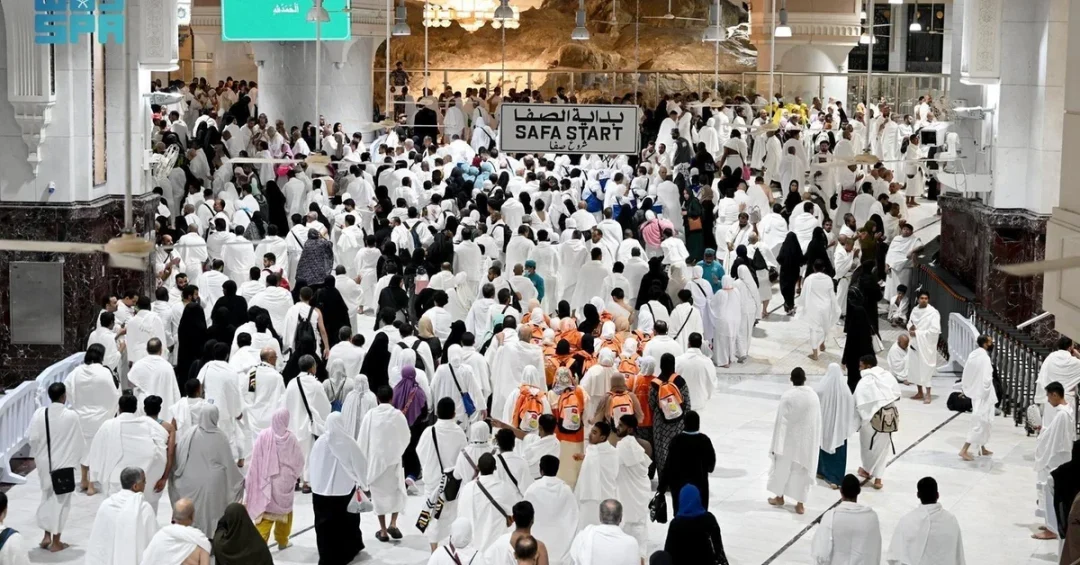
The Agency for Field Services and Affairs at the General Authority for the Care of the Affairs of the Two Holy Mosques continues to implement a weekly disinfection program for the Safa and Marwa mountains within the Grand Mosque of Makkah, ensuring the highest standards of hygiene for pilgrims performing Umrah and Hajj. This initiative, carried out under the guidance of Saudi leadership, reflects the Kingdom’s unwavering commitment to preserving the sanctity and cleanliness of Islam’s holiest sites, allowing worshippers to focus on their spiritual journey.
Context and Background
The Grand Mosque of Makkah, home to the Kaaba and the sacred pathways of Safa and Marwa, welcomes millions of pilgrims annually from around the world. Maintaining the cleanliness and structural integrity of these areas is a monumental task, entrusted to the General Authority for the Care of the Affairs of the Two Holy Mosques. The Agency for Field Services and Affairs, a key division of this authority, oversees daily operations that include specialized cleaning, maintenance, and disinfection protocols. The Safa and Marwa mountains hold profound religious significance, as pilgrims walk between them seven times during the Sa’i ritual of Umrah and Hajj. Given the high foot traffic and the delicate nature of the historic structures, the authority has developed a comprehensive work plan to ensure these areas remain pristine and safe. This plan involves not only routine cleaning but also the use of advanced tools and materials specifically designed to protect the surfaces without causing damage.
Key Details
Under the weekly disinfection program, a dedicated team of architectural technicians and cleaning staff meticulously treat the Safa and Marwa mountains with specialized cleaning agents and equipment. These materials are selected for their effectiveness against dirt, dust, and potential contaminants, while being gentle on the historic stone and marble surfaces. The process includes monitoring the condition of the mountains, removing debris, and applying disinfectants that meet international health standards. The work is carried out during off-peak hours to minimize disruption to pilgrims, ensuring that the spiritual experience remains uninterrupted. According to the authority, the team’s daily tasks involve inspecting the area for any signs of wear or accumulation of dirt, followed by immediate cleaning and maintenance. This proactive approach prevents long-term damage and maintains the visual and hygienic appeal of the sacred site.
Implications and Impact
The rigorous cleaning and disinfection efforts have far-reaching implications for pilgrim health and satisfaction. By maintaining a clean and safe environment, the authority helps prevent the spread of illnesses, particularly during peak seasons when large crowds gather. Pilgrims can perform their rituals with peace of mind, knowing that their well-being is a top priority. Moreover, the program underscores Saudi Arabia’s broader commitment to excellence in managing the Two Holy Mosques, a responsibility that carries global significance for the Muslim world. International observers and health experts have praised the Kingdom’s proactive measures, which align with global best practices in public health and heritage preservation. The initiative also supports the goals of Saudi Vision 2030 by enhancing the quality of services provided to pilgrims, thereby enriching their spiritual journey and showcasing the Kingdom’s capacity for world-class hospitality and care.
Vision 2030 Alignment
This initiative is a clear reflection of Saudi Vision 2030’s emphasis on elevating the pilgrimage experience and ensuring the welfare of visitors to the Two Holy Mosques. Through continuous improvement in infrastructure, services, and health standards, the Kingdom aims to accommodate growing numbers of pilgrims while preserving the sanctity of these revered sites. The dedicated efforts of the General Authority for the Care of the Affairs of the Two Holy Mosques demonstrate Saudi Arabia’s leadership in serving Islam and Muslims worldwide, a core pillar of the nation’s strategic vision. As the Kingdom continues to invest in the care of the Holy Mosques, it reinforces its role as a global leader in religious tourism and hospitality, contributing to the spiritual and economic prosperity of the region.
20 Questions
Q1. What is the weekly disinfection program for Safa and Marwa?
A1. The weekly disinfection program is a routine cleaning and sanitization process carried out by the Agency for Field Services and Affairs at the General Authority for the Care of the Affairs of the Two Holy Mosques to maintain hygiene at the Safa and Marwa mountains.
Q2. Who is responsible for the disinfection of Safa and Marwa?
A2. The Agency for Field Services and Affairs, under the General Authority for the Care of the Affairs of the Two Holy Mosques, is responsible for the disinfection and overall maintenance of the Safa and Marwa mountains.
Q3. How often is the disinfection process conducted?
A3. The disinfection process is conducted weekly, as part of a dedicated work plan to ensure the highest hygiene standards at the Grand Mosque for the safety and comfort of pilgrims.
Q4. What tools and materials are used for cleaning Safa and Marwa?
A4. Cleaning tools and materials specifically designed for the structure are used, ensuring that the delicate surfaces of the Safa and Marwa mountains are treated with proper care and without damage.
Q5. Why is the disinfection of Safa and Marwa important?
A5. It is important to maintain cleanliness, prevent the spread of illnesses, and provide a safe and pure environment for pilgrims performing Umrah and Hajj, allowing them to focus on their spiritual journey.
Q6. What role do architectural technicians play in this process?
A6. Architectural technicians monitor the condition of the Safa and Marwa mountains daily, remove dirt and debris, and ensure that the structures remain intact and clean for pilgrims.
Q7. How does the cleaning process avoid damaging the historic structures?
A7. The authority uses specially designed cleaning tools and materials that are gentle on the delicate surfaces of the Safa and Marwa mountains, preventing any damage while effectively removing dirt.
Q8. When is the disinfection carried out to avoid disturbing pilgrims?
A8. The disinfection is typically scheduled during off-peak hours to minimize disruption to pilgrims, ensuring that their rituals and spiritual experience remain uninterrupted.
Q9. What are the health benefits of this disinfection program?
A9. The program helps prevent the spread of diseases by eliminating germs and contaminants, thereby protecting the health of millions of pilgrims who visit the Grand Mosque annually.
Q10. How does this initiative reflect Saudi Arabia’s commitment to the Two Holy Mosques?
A10. It demonstrates the Kingdom’s dedication to preserving the sanctity and cleanliness of the holiest sites in Islam, aligning with its role as the custodian of the Two Holy Mosques.
Q11. Are there any international standards followed in the disinfection process?
A11. Yes, the cleaning and disinfection protocols adhere to international health and safety standards, ensuring that the methods used are effective and safe for both pilgrims and the environment.
Q12. How does the cleaning team handle waste and debris?
A12. The team removes all traces of dirt, dust, and other debris promptly, disposing of waste in an organized manner to maintain the cleanliness of the sacred area.
Q13. What is the significance of Safa and Marwa in Islam?
A13. Safa and Marwa are two small hills in Makkah that pilgrims walk between seven times during the Sa’i ritual, commemorating Hagar’s search for water for her son Ishmael.
Q14. How does this program impact the overall pilgrimage experience?
A14. By ensuring a clean and safe environment, the program enhances the spiritual experience, allowing pilgrims to perform their rituals with peace of mind and focus on their devotion.
Q15. Does the authority receive any feedback from pilgrims about cleanliness?
A15. The authority continuously monitors and evaluates its services, and positive feedback from pilgrims regarding the cleanliness of the Grand Mosque is a testament to the effectiveness of the program.
Q16. What other areas of the Grand Mosque receive similar cleaning attention?
A16. The entire Grand Mosque and its environs, including the courtyards, prayer halls, and other sacred sites, undergo regular cleaning and maintenance to uphold the highest standards of hygiene.
Q17. How does the disinfection program contribute to Saudi Vision 2030?
A17. It supports Vision 2030 by improving the quality of services for pilgrims, enhancing their experience, and showcasing Saudi Arabia’s capability in managing large-scale religious events with world-class standards.
Q18. Are there any special measures during peak seasons like Ramadan and Hajj?
A18. During peak seasons, the frequency and intensity of cleaning and disinfection are increased to accommodate the higher number of pilgrims and ensure a safe environment for all.
Q19. What kind of training do the cleaning staff receive?
A19. The cleaning staff and architectural technicians receive specialized training on the proper use of cleaning materials, preservation techniques, and health protocols to maintain the sacred sites effectively.
Q20. How can pilgrims contribute to maintaining cleanliness at the Grand Mosque?
A20. Pilgrims are encouraged to follow the guidelines provided by the authority, dispose of waste properly, and cooperate with staff to help maintain the cleanliness and sanctity of the Grand Mosque.
Reader Feedback
We value your thoughts. Please share your feedback on this article.
Your feedback helps us improve our coverage.