


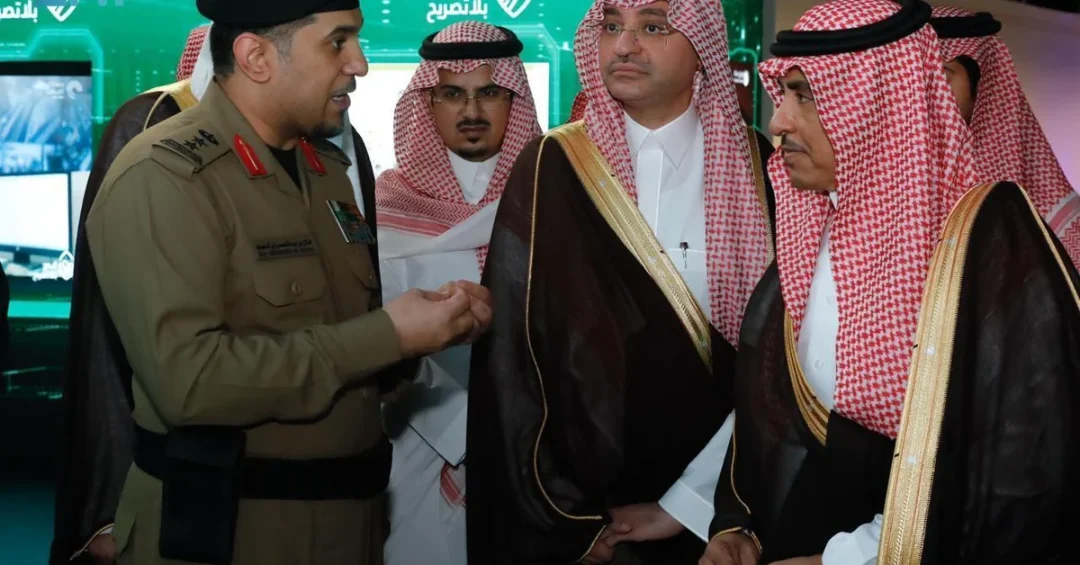
Saudi Minister of Media Salman bin Yousef Al-Dossary visited the Ministry of Interior’s pavilion at the Hajj Media Hub in Makkah on Tuesday, June 11, 2024, where he was briefed on advanced artificial intelligence applications for crowd management and the ministry’s comprehensive efforts to ensure the security and safety of pilgrims at the Two Holy Mosques. The Hajj Media Hub, organized by the Ministry of Media, is taking place from June 10 to 16 in the holy city of Makkah, bringing together media professionals and government entities to showcase the services and technologies supporting the annual Hajj pilgrimage.
Context and Background
The Hajj Media Hub serves as a central platform for local and international media to access information about the pilgrimage and the extensive preparations undertaken by Saudi authorities. This year’s event highlights the integration of cutting-edge technologies in managing the millions of pilgrims who perform Hajj, one of the largest annual gatherings in the world. The Ministry of Interior’s participation underscores its pivotal role in maintaining order, safety, and security throughout the Hajj season, in line with the leadership’s directives to provide the best possible experience for pilgrims.
Key Details
During his visit, Minister Al-Dossary observed the Ministry of Interior’s use of artificial intelligence in crowd management, which enhances real-time monitoring and decision-making to prevent overcrowding and ensure smooth movement around the holy sites. He was also briefed on the Makkah Route Initiative, now in its sixth year and implemented under the Pilgrim Experience Program, a key component of Saudi Vision 2030. This initiative streamlines the pilgrimage process for international pilgrims by completing entry procedures at their home countries’ airports. This year, it is being implemented in halls at 11 airports across seven countries, significantly reducing wait times and improving the overall experience.
Furthermore, the minister received an overview of the penalties imposed on violators of Hajj regulations, including those performing Hajj without a permit and those unlawfully transporting such individuals. These measures are designed to protect pilgrims and maintain the sanctity of the pilgrimage. He also learned about the Unified Security Operations Centers (911), which handle emergency security and humanitarian reports, and the prominent services provided by the Absher electronic platform, a comprehensive digital gateway for government services.
The Ministry of Interior’s pavilion showcases the contributions of various sectors, including general security, the General Administration of Security Patrols, the General Directorate of Civil Defense, and the National Center for Security Operations. These entities work collaboratively to ensure a safe and secure environment for all pilgrims.
Implications and Impact
The integration of AI and other advanced technologies in Hajj management reflects Saudi Arabia’s commitment to leveraging innovation for the benefit of humanity. The Makkah Route Initiative, in particular, has been praised for its efficiency and convenience, positioning Saudi Arabia as a global leader in pilgrimage services. These efforts not only enhance the spiritual experience of pilgrims but also contribute to the Kingdom’s broader goals of economic diversification and international engagement under Vision 2030.
Vision 2030 Alignment
The Ministry of Interior’s initiatives, including the Makkah Route Initiative and the use of AI in crowd management, are directly aligned with Saudi Vision 2030’s objectives to enhance the quality of services for pilgrims, improve government efficiency, and promote sustainable development. By continuously innovating and improving the Hajj experience, Saudi Arabia reinforces its role as the custodian of the Two Holy Mosques and demonstrates its unwavering commitment to serving millions of pilgrims from around the world.
20 Questions
Q1. Who visited the Ministry of Interior’s pavilion at the Hajj Media Hub?
A1. Saudi Minister of Media Salman bin Yousef Al-Dossary visited the pavilion on June 11, 2024, as part of the Hajj Media Hub events in Makkah.
Q2. What is the Hajj Media Hub?
A2. The Hajj Media Hub is an event organized by the Ministry of Media from June 10 to 16 in Makkah, providing media access to Hajj-related information and services.
Q3. What did the minister observe at the pavilion?
A3. He observed artificial intelligence applications in crowd management and was briefed on the Ministry of Interior’s efforts to ensure pilgrim security and safety at the Two Holy Mosques.
Q4. What is the Makkah Route Initiative?
A4. The Makkah Route Initiative is a program under the Pilgrim Experience Program, part of Saudi Vision 2030, that streamlines entry procedures for pilgrims at their home country airports before arriving in Saudi Arabia.
Q5. In how many countries is the Makkah Route Initiative being implemented this year?
A5. The initiative is being implemented in halls at 11 airports across seven countries this year, marking its sixth year of operation.
Q6. What penalties did the minister learn about?
A6. He was briefed on penalties for violators of Hajj regulations, including performing Hajj without a permit and unlawfully transporting such individuals.
Q7. What are the Unified Security Operations Centers (911)?
A7. They are centers that receive emergency security and humanitarian reports, providing rapid response and coordination during the Hajj season.
Q8. What is the Absher electronic platform?
A8. Absher is a comprehensive digital platform offering various government services, which the Ministry of Interior highlighted at the pavilion.
Q9. Which sectors are participating in the Ministry of Interior’s pavilion?
A9. The pavilion showcases the services of general security sectors, the General Administration of Security Patrols, the General Directorate of Civil Defense, and the National Center for Security Operations.
Q10. How does AI contribute to crowd management during Hajj?
A10. AI enables real-time monitoring and analysis to prevent overcrowding, ensure smooth flow of pilgrims, and enhance overall safety around the holy sites.
Q11. What is the Pilgrim Experience Program?
A11. It is a program under Saudi Vision 2030 aimed at enhancing the pilgrimage experience through improved services and infrastructure.
Q12. Why is the Makkah Route Initiative important?
A12. It reduces wait times and simplifies entry procedures for pilgrims, allowing them to focus on their spiritual journey and improving their overall experience.
Q13. What is the significance of the Hajj Media Hub?
A13. It provides a platform for media to learn about Hajj preparations and services, promoting transparency and showcasing Saudi Arabia’s efforts in managing the pilgrimage.
Q14. How does the Ministry of Interior ensure pilgrim safety?
A14. Through advanced technologies, coordinated security operations, and strict enforcement of regulations to maintain order and protect pilgrims.
Q15. What role does the National Center for Security Operations play?
A15. It oversees and coordinates security operations, ensuring a rapid and effective response to any incidents during Hajj.
Q16. What are the penalties for transporting violators without a Hajj permit?
A16. Those who unlawfully transport individuals without a Hajj permit face penalties as stipulated by Saudi regulations to deter such violations.
Q17. How does the Absher platform assist pilgrims?
A17. Absher provides digital government services that facilitate various procedures, including visa applications and permits, making processes more efficient for pilgrims.
Q18. What is the duration of the Hajj Media Hub?
A18. The event runs from June 10 to 16, 2024, in Makkah.
Q19. How does the Makkah Route Initiative reflect Vision 2030?
A19. It exemplifies Vision 2030’s goals of enhancing pilgrim services, improving government efficiency, and fostering international cooperation.
Q20. What is the overall goal of these efforts?
A20. To provide a safe, secure, and spiritually fulfilling Hajj experience for all pilgrims, aligning with Saudi Arabia’s commitment to serving the Two Holy Mosques.
Reader Feedback
We value your thoughts. Please share your feedback on this article.
Your feedback helps us improve our coverage.