


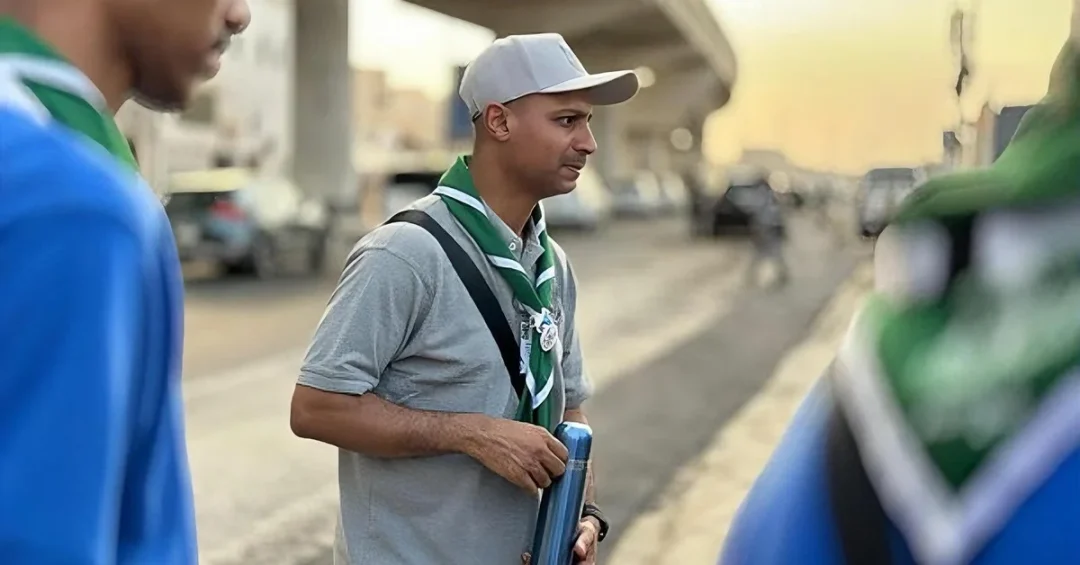
Nearly 100 scouts and leaders from the General Administration of Education in Makkah Region are participating in this year’s Hajj season to serve pilgrims, according to the Saudi Press Agency (SPA). The 96-member team includes 64 scouts and leaders from Makkah, 16 from Al-Layth, and 16 from Al-Qunfudhah, working in coordination with the Ministry of Education’s scouting program to assist pilgrims performing Hajj rituals for the 1445 H season.
Context and Background
The participation of scouts in Hajj operations is a longstanding tradition in the Kingdom of Saudi Arabia, reflecting the nation’s commitment to serving the Guests of God. Under the guidance of the Ministry of Education, the General Administration of Education in Makkah Region prepares students and employees to engage in various scouting programs and activities. This initiative is part of broader national and community efforts to provide necessary knowledge and skills, ensuring that pilgrims can perform their rituals with ease and comfort.
Scouting in Saudi Arabia is not only about community service but also about character building and leadership development. The Ministry of Education integrates scouting into the educational system to instill values of responsibility, teamwork, and dedication to national service. The Hajj season offers a unique opportunity for scouts to apply these values in a real-world context, serving millions of pilgrims from around the world.
Key Details
This year, the scout team comprises 64 members from Makkah, 16 from Al-Layth, and 16 from Al-Qunfudhah governorates. These scouts and leaders are stationed across various locations in the holy sites to assist pilgrims with directions, provide first aid, and support logistical operations. Their duties include guiding lost pilgrims, helping the elderly and infirm, and collaborating with other Hajj service agencies to ensure a smooth and safe experience for all.
The General Administration of Education in Makkah Region has coordinated closely with the Ministry of Education to select and train these scouts. Training programs cover crowd management, basic health care, communication skills, and knowledge of Hajj rituals. This preparation enables the scouts to respond effectively to the diverse needs of pilgrims, many of whom travel from different countries and cultural backgrounds.
Implications and Impact
The involvement of young scouts in Hajj service has far-reaching implications. It not only enhances the operational capacity of Hajj management but also fosters a sense of pride and civic duty among Saudi youth. By participating in such a significant religious event, scouts develop a deeper understanding of the importance of service to humanity and the role of Saudi Arabia as the custodian of the Two Holy Mosques.
Moreover, this initiative showcases the Kingdom’s dedication to continuous improvement in Hajj services, aligning with international standards of crowd safety and pilgrim care. It also highlights the collaborative efforts between educational institutions and Hajj authorities, setting a model for other nations to emulate in managing large-scale religious gatherings.
Vision 2030 Alignment
This scout participation aligns seamlessly with Saudi Vision 2030, which aims to enhance the quality of life, empower youth, and promote a culture of volunteerism. By engaging young people in meaningful service during Hajj, the Kingdom invests in its human capital and reinforces the values of compassion, unity, and excellence that are central to Vision 2030. As Saudi Arabia continues to modernize and expand its capabilities in serving pilgrims, such initiatives demonstrate the nation’s unwavering commitment to its sacred responsibilities and its forward-looking aspirations for a prosperous future.
20 Questions
Q1. How many scouts and leaders are participating in this year’s Hajj season?
A1. A total of 96 scouts and leaders from the General Administration of Education in Makkah Region are participating, including 64 from Makkah, 16 from Al-Layth, and 16 from Al-Qunfudhah.
Q2. Which organization is coordinating the scouts’ participation?
A2. The General Administration of Education in Makkah Region is coordinating with the Ministry of Education to deploy scouts for Hajj service, as part of the national scouting program.
Q3. What are the primary responsibilities of the scouts during Hajj?
A3. Scouts assist pilgrims by providing directions, first aid, logistical support, and help to the elderly and lost individuals, ensuring a smooth and safe Hajj experience for all.
Q4. How does scouting benefit students and employees involved?
A4. Participation in scouting programs develops leadership, teamwork, and community service skills, preparing individuals to contribute positively to national and social initiatives.
Q5. When does the Hajj season take place, and what is the Islamic year?
A5. The Hajj season occurs annually in the Islamic month of Dhul-Hijjah; this year’s season is 1445 H, corresponding to 2024 in the Gregorian calendar.
Q6. What training do scouts receive before Hajj?
A6. Scouts undergo training in crowd management, basic health care, communication, and knowledge of Hajj rituals to effectively assist pilgrims from diverse backgrounds.
Q7. How does this initiative reflect Saudi Arabia’s commitment to pilgrims?
A7. It demonstrates the Kingdom’s dedication to serving the Guests of God by mobilizing trained youth to ensure pilgrims can perform rituals with comfort and safety.
Q8. Which governorates are represented by the scouts?
A8. The scouts come from Makkah, Al-Layth, and Al-Qunfudhah governorates, with 64 participants from Makkah and 16 each from the other two regions.
Q9. What is the role of the Ministry of Education in this initiative?
A9. The Ministry of Education oversees scouting programs, prepares participants, and integrates community service into education to support national events like Hajj.
Q10. How does scout participation enhance Hajj operations?
A10. Scouts provide additional manpower for crowd control, guidance, and assistance, improving the overall efficiency and safety of Hajj management services.
Q11. What values do scouts learn through this service?
A11. Scouts learn responsibility, compassion, teamwork, and civic duty, reinforcing the importance of serving humanity and contributing to Saudi society.
Q12. Are there any specific locations where scouts are stationed?
A12. Scouts are deployed across various holy sites in Makkah and surrounding areas, including pilgrim routes, camps, and ritual locations, to provide on-ground support.
Q13. How does this initiative align with Saudi Vision 2030?
A13. It supports Vision 2030 goals of empowering youth, promoting volunteerism, and enhancing the quality of life, while strengthening the Kingdom’s ability to serve pilgrims.
Q14. What impact does scout service have on pilgrims?
A14. Pilgrims benefit from timely assistance, guidance, and care, which helps them focus on their spiritual journey and perform rituals with peace of mind.
Q15. How are scouts selected for Hajj service?
A15. Selection is based on participation in scouting programs, demonstrated skills, and readiness to serve, with coordination between educational administrations and the Ministry of Education.
Q16. Does this program include female scouts?
A16. The program is open to all scouts within the educational system, though specific participation numbers are not detailed in the source information.
Q17. What is the historical background of scouting in Saudi Hajj service?
A17. Scouting has been part of Hajj operations for years, reflecting a tradition of youth involvement in national service and pilgrim assistance during the annual pilgrimage.
Q18. How does this initiative benefit the scouts personally?
A18. Scouts gain practical experience, develop leadership skills, and deepen their understanding of Hajj, which contributes to their personal growth and future contributions.
Q19. What other agencies collaborate with the scouts during Hajj?
A19. Scouts work alongside various Hajj service agencies, including health, security, and logistics organizations, to ensure integrated support for pilgrims.
Q20. What message does this send about Saudi youth?
A20. It highlights the capabilities and dedication of Saudi youth, showcasing their readiness to serve the nation and contribute to the Kingdom’s proud tradition of hospitality and care.
Reader Feedback
We value your thoughts. Please share your feedback on this article.
Your feedback helps us improve our coverage.