


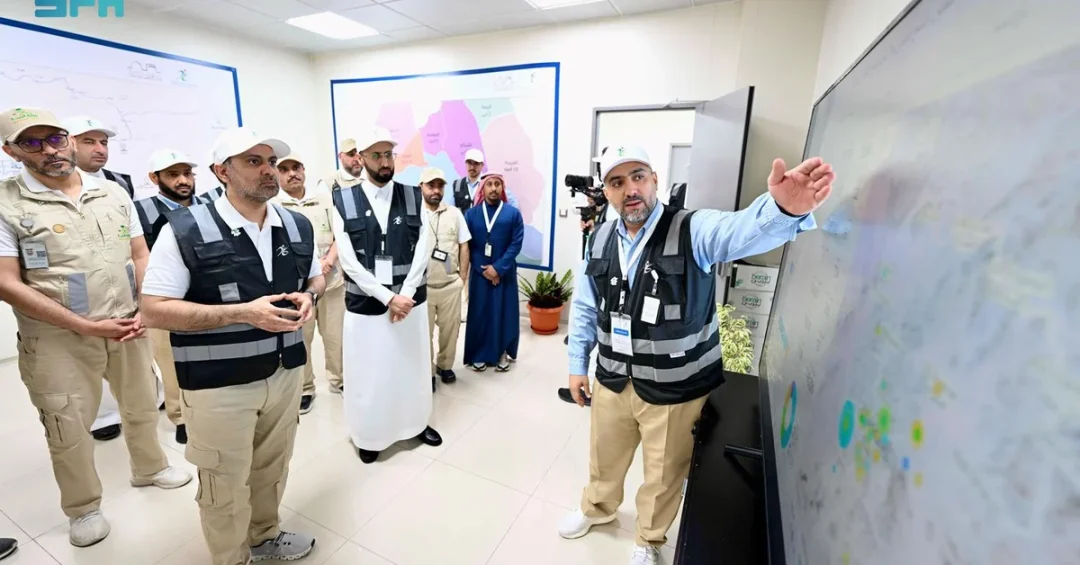
Saudi Minister of Health Fahad Al-Jalajel conducted an official inspection of the Saudi Food and Drug Authority (SFDA) branch located within the government departments complex in the holy sites, reviewing the authority’s comprehensive plan for the 2024 Hajj season. The visit, announced by the Saudi Press Agency, underscores the Kingdom’s commitment to ensuring the highest standards of safety and quality for millions of pilgrims performing Hajj this year.
Context and Background
The Hajj pilgrimage is one of the largest annual gatherings in the world, with millions of Muslims traveling to Makkah and Madinah to fulfill this sacred duty. The Saudi government, under the leadership of the Custodian of the Two Holy Mosques, King Salman bin Abdulaziz Al Saud, and Crown Prince Mohammed bin Salman, places paramount importance on the well-being of pilgrims. The SFDA, as the national regulatory body for food, drugs, and medical devices, plays a critical role in safeguarding public health during this massive event.
Minister Al-Jalajel’s inspection is part of a series of visits he is conducting across the healthcare system to ensure all entities are fully prepared to serve pilgrims according to the leadership’s guidelines. The SFDA’s Hajj plan includes rigorous monitoring and inspection of food, medicine, and medical devices at pilgrim entry points, as well as imports by Hajj medical delegations and seasonal medical facilities.
Key Details
During the tour, Minister Al-Jalajel reviewed the SFDA’s operational plan for this year’s Hajj, which encompasses the inspection of food, medicine, and medical devices at entry points, coordination with Hajj medical delegations, and oversight of seasonal medical facilities. The SFDA has also collaborated with the Holy Makkah Municipality, the Madinah Municipality, and other relevant government agencies to educate catering staff on best practices for food safety and hygiene.
The minister also visited the SFDA’s Hajj Operations Center, which coordinates with other government agencies to ensure a swift response to any issues that may arise. The center is a hub for real-time monitoring and rapid intervention, reflecting the Kingdom’s proactive approach to risk management. Additionally, the SFDA provides workshops to help pilgrims identify products subject to their regulations, empowering them to make informed choices and avoid potentially harmful items.
Implications and Impact
The SFDA’s efforts have significant implications for the health and safety of pilgrims, as well as for the overall success of the Hajj season. By ensuring that food, medicines, and medical devices meet stringent safety standards, the authority helps prevent foodborne illnesses, medication errors, and device failures, which could otherwise lead to widespread health issues. This meticulous oversight also protects the reputation of the Hajj as a well-organized and safe spiritual journey, reinforcing Saudi Arabia’s role as the custodian of Islam’s holiest sites.
Furthermore, the collaboration between the SFDA and other government bodies demonstrates the integrated approach that characterizes Saudi Arabia’s public health strategy. This synergy is essential for managing the complex logistics of Hajj, where any lapse in safety could have cascading effects. The minister’s visit sends a clear message that the Kingdom is leaving no stone unturned in its preparations.
Vision 2030 Alignment
This initiative aligns closely with Saudi Vision 2030, which aims to enhance the quality of life for citizens and visitors alike, and to strengthen the Kingdom’s capacity to host millions of pilgrims annually. By investing in regulatory infrastructure and inter-agency cooperation, Saudi Arabia is not only ensuring a safe Hajj but also building a resilient health system that can serve as a model for mass gatherings worldwide. As the Kingdom continues to modernize and expand its pilgrimage services, the SFDA’s work remains a cornerstone of its commitment to excellence and compassion.
20 Questions
Q1. Who conducted the inspection of the SFDA branch in the holy sites?
A1. Saudi Minister of Health Fahad Al-Jalajel conducted the inspection, reviewing the SFDA’s Hajj plan as part of a series of visits to ensure healthcare readiness.
Q2. What is the SFDA’s role during Hajj?
A2. The SFDA monitors and inspects food, medicine, and medical devices at pilgrim entry points, imports by Hajj medical delegations, and seasonal medical facilities to ensure safety.
Q3. Where is the SFDA branch located?
A3. The branch is in the government departments complex in the holy sites, providing regulatory oversight directly where pilgrims gather.
Q4. What did Minister Al-Jalajel review during his visit?
A4. He reviewed the SFDA’s comprehensive plan for the 2024 Hajj season, including inspection protocols and coordination with other agencies.
Q5. Which agencies did the SFDA collaborate with to educate catering staff?
A5. The SFDA collaborated with the Holy Makkah Municipality, the Madinah Municipality, and other relevant government agencies to train catering staff on food safety.
Q6. What is the purpose of the SFDA’s Hajj Operations Center?
A6. The center coordinates with government agencies to ensure a swift response to any issues, facilitating real-time monitoring and rapid intervention during Hajj.
Q7. How does the SFDA help pilgrims identify regulated products?
A7. The SFDA provides workshops to educate pilgrims about products subject to their regulations, enabling them to make informed and safe choices.
Q8. Why is the minister’s visit significant?
A8. It is part of a series of inspections to ensure all healthcare entities are prepared to serve pilgrims according to the leadership’s guidelines, reflecting high-level commitment.
Q9. What types of items does the SFDA inspect at entry points?
A9. The SFDA inspects food, medicine, and medical devices at pilgrim entry points, as well as imports by Hajj medical delegations.
Q10. How does the SFDA ensure food safety during Hajj?
A10. Through rigorous monitoring, inspection of catering facilities, and education of catering staff in collaboration with municipal authorities.
Q11. What is the significance of the holy sites complex?
A11. It houses government departments that operate during Hajj, enabling coordinated services and rapid response to pilgrim needs.
Q12. How many pilgrims perform Hajj annually?
A12. Millions of Muslims from around the world perform Hajj each year, making it one of the largest annual gatherings globally.
Q13. What is the SFDA’s approach to medical device safety?
A13. The SFDA monitors and inspects medical devices at entry points and seasonal facilities to ensure they meet regulatory standards and are safe for use.
Q14. How does the SFDA coordinate with Hajj medical delegations?
A14. The SFDA oversees imports by these delegations and ensures that all medical supplies comply with Saudi regulations.
Q15. What workshops does the SFDA offer?
A15. The SFDA offers workshops to help pilgrims identify products subject to their regulations, promoting awareness and safety.
Q16. What is the role of the Holy Makkah Municipality in Hajj preparations?
A16. It collaborates with the SFDA to educate catering staff and ensure food safety standards are upheld in Makkah.
Q17. How does the SFDA’s work align with Vision 2030?
A17. It enhances quality of life and strengthens the Kingdom’s capacity to host pilgrims, aligning with Vision 2030’s goals for service excellence and health security.
Q18. What measures are taken to respond to emergencies during Hajj?
A18. The SFDA’s Hajj Operations Center coordinates with government agencies for swift responses to any issues, ensuring pilgrim safety.
Q19. Why is inter-agency cooperation important for Hajj?
A19. It ensures integrated management of health, safety, and logistics, which is essential for the smooth operation of the massive pilgrimage.
Q20. What message does the minister’s inspection convey?
A20. It conveys the Kingdom’s unwavering commitment to pilgrim welfare and the highest standards of service, under the guidance of Saudi leadership.
Reader Feedback
We value your thoughts. Please share your feedback on this article.
Your feedback helps us improve our coverage.