


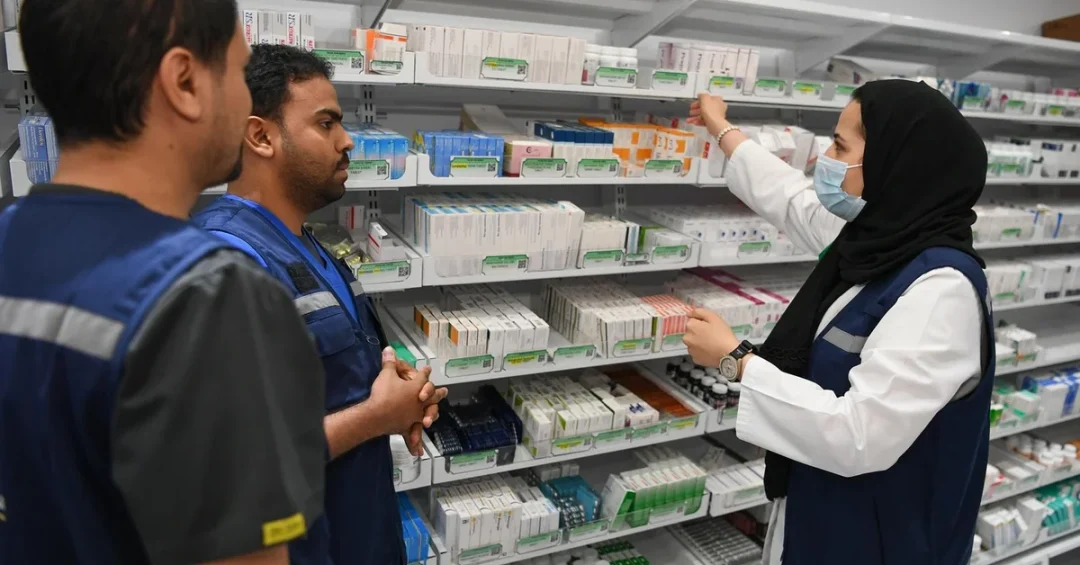
The General Directorate of Medical Services at the Ministry of Interior has completed all preparations to implement its comprehensive healthcare plan for the Hajj season 1445 AH, ensuring the well-being of security personnel serving the millions of pilgrims converging on Makkah and Madinah. This initiative, announced via the Saudi Press Agency, underscores the Kingdom’s commitment to safeguarding those who protect the faithful during the world’s largest annual gathering.
Context and Background
Each year, Saudi Arabia hosts over two million pilgrims from around the globe for Hajj, a cornerstone of Islamic faith that demands meticulous logistical and health planning. The Ministry of Interior’s medical services play a critical role in maintaining the health and readiness of security forces from the Ministry of Interior, the Presidency of State Security, and other participating sectors. By prioritizing preventive, therapeutic, and health services, the directorate aims to optimize the performance of personnel operating in challenging conditions.
This preparation aligns with Saudi Arabia’s broader strategy to enhance Hajj infrastructure, reflecting lessons learned from previous seasons and integrating advanced medical technologies. The plan’s emphasis on remote healthcare and mobile units demonstrates innovation in delivering care where it is most needed, ensuring rapid response to any health emergencies.
Key Details
The Hajj plan focuses on maximizing the capacity of the Security Forces Hospital in Makkah and comprehensive specialized clinics in both Makkah and Madinah. Seasonal health centers have been equipped and staffed by medical services personnel, while mobile medical field teams—comprising doctors, nurses, and paramedics—are ready to handle emergency cases with the latest medical equipment and first aid supplies.
Additionally, the ministry has deployed health capsules and mobile pack services to facilitate remote healthcare for security personnel. These tools enable real-time monitoring and treatment, reducing the need for physical visits and enhancing overall efficiency. The integration of such technologies reflects a forward-thinking approach to mass event healthcare, setting a benchmark for future gatherings.
Implications and Impact
This robust medical readiness has significant implications for the safety and success of Hajj 1445 AH. By ensuring that security personnel remain healthy, the Ministry of Interior enhances its ability to manage crowds, respond to incidents, and maintain order, directly contributing to a secure environment for pilgrims. The emphasis on preventive care also reduces the strain on hospitals, allowing resources to be allocated more effectively.
On a global scale, this effort reinforces Saudi Arabia’s reputation as a capable and compassionate host of Hajj, capable of managing one of humanity’s largest mass gatherings. The use of mobile and remote healthcare solutions showcases the Kingdom’s leadership in event medicine, offering a model that other nations could emulate for major public events.
Vision 2030 Alignment
This comprehensive healthcare initiative is a testament to Saudi Arabia’s Vision 2030 goals of enhancing quality of life, fostering innovation in public services, and ensuring the success of large-scale national events. By investing in advanced medical technologies and prioritizing the well-being of its personnel, the Ministry of Interior contributes directly to the Kingdom’s ambitions of becoming a global leader in event management and healthcare delivery. As Saudi Arabia continues to welcome the world, such preparations underscore its unwavering dedication to excellence and safety, further solidifying its role as a trusted steward of the Hajj.
20 Questions
Q1. What is the main purpose of the Ministry of Interior’s Hajj medical plan?
A1. The plan aims to provide preventive, health, and therapeutic services to security personnel from the Ministry of Interior, Presidency of State Security, and participating sectors, ensuring their well-being during Hajj 1445 AH.
Q2. Which agency announced the completion of Hajj medical preparations?
A2. The General Directorate of Medical Services at the Ministry of Interior announced the completion of its preparations, as reported by the Saudi Press Agency on June 12, 2024.
Q3. Who will benefit from these healthcare services?
A3. The services are dedicated to employees of the Ministry of Interior, the Presidency of State Security, and other security sectors participating in Hajj operations, ensuring they remain healthy and effective.
Q4. What types of services are included in the Hajj medical plan?
A4. The plan includes preventive care, therapeutic treatments, and general health services, all aimed at maintaining and improving the health of security personnel throughout the Hajj season.
Q5. How has the Security Forces Hospital in Makkah been prepared?
A5. The hospital’s capacity has been maximized to handle increased demand, with additional resources and staff to provide comprehensive care to security personnel during the Hajj period.
Q6. What role do specialized clinics in Makkah and Madinah play?
A6. These clinics have been equipped and staffed to offer specialized medical care, supporting the overall health infrastructure and ensuring timely treatment for security forces.
Q7. What are seasonal health centers, and how do they contribute?
A7. Seasonal health centers are temporary facilities set up during Hajj, operated by medical personnel to provide accessible healthcare services to security staff at strategic locations.
Q8. What is the function of mobile medical field teams?
A8. These teams, consisting of doctors, nurses, and paramedics, are equipped with advanced medical gear and first aid kits to respond swiftly to emergencies in the field.
Q9. How do health capsules and mobile pack services work?
A9. These innovative tools enable remote healthcare delivery, allowing security personnel to receive medical consultations and monitoring without needing to visit a physical facility.
Q10. Why is remote healthcare important during Hajj?
A10. Remote healthcare enhances efficiency by providing timely medical support to personnel in remote or crowded areas, reducing response times and minimizing disruption to security duties.
Q11. What kind of equipment is used by mobile medical teams?
A11. Mobile teams are equipped with the latest medical equipment and first aid bags, ensuring they can handle a wide range of emergencies effectively and professionally.
Q12. How does this plan improve the health of security personnel?
A12. By offering preventive care, prompt treatment, and health monitoring, the plan helps maintain personnel’s physical readiness, reducing illness and fatigue during the demanding Hajj period.
Q13. What is the significance of the Hajj season 1445 AH?
A13. Hajj 1445 AH is a major Islamic pilgrimage expected to draw millions of worshippers, requiring extensive logistical and health preparations to ensure a safe and spiritual experience for all.
Q14. How does this initiative reflect Saudi Arabia’s leadership?
A14. It demonstrates the Kingdom’s proactive approach to managing mass gatherings, prioritizing the well-being of those who serve pilgrims, and showcasing organizational excellence on a global stage.
Q15. What impact does this have on the overall Hajj experience?
A15. By keeping security personnel healthy, the plan ensures effective crowd management and safety, contributing to a smooth and secure pilgrimage for all attendees.
Q16. Are there any innovative technologies being used?
A16. Yes, the deployment of health capsules and mobile pack services for remote healthcare represents a significant technological advancement in event medicine, enhancing accessibility and efficiency.
Q17. How does this plan align with Vision 2030?
A17. It supports Vision 2030’s goals of enhancing quality of life, fostering innovation, and ensuring the success of major national events, reinforcing Saudi Arabia’s global leadership.
Q18. What coordination exists between different security sectors?
A18. The Ministry of Interior collaborates closely with the Presidency of State Security and other sectors to provide unified healthcare services, ensuring seamless support for all personnel involved.
Q19. How are medical personnel selected for this mission?
A19. Medical services personnel are carefully chosen and trained to operate in the Hajj environment, ensuring they possess the skills and experience needed to handle diverse medical situations.
Q20. What message does this send to the international community?
A20. It highlights Saudi Arabia’s commitment to excellence and compassion in hosting Hajj, demonstrating its capability to manage large-scale events with advanced healthcare and organizational prowess.
Reader Feedback
We value your thoughts. Please share your feedback on this article.
Your feedback helps us improve our coverage.