


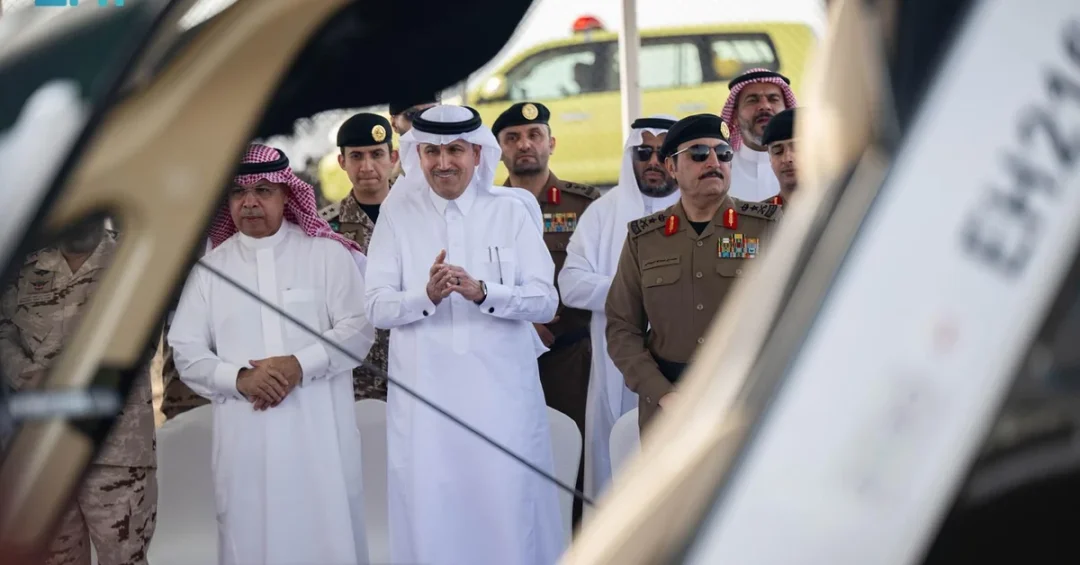
Makkah, June 12, 2024 — Saudi Arabia’s Minister of Transport and Logistics Services and Chairman of the Board of Directors of the General Authority of Civil Aviation (GACA), Eng. Saleh Al-Jasser, today launched the inaugural trial of a self-driving electric air taxi at the holy sites, marking the first time such a service has been tested during the Hajj season. The vertical take-off trial, witnessed by GACA President Abdulaziz Al-Duailej, was announced by the Transport General Authority and represents a milestone in advanced air mobility, with the aircraft described as the world’s first air taxi to be licensed by a civil aviation authority.
Context and Background
The trial comes as Saudi Arabia continues to invest heavily in next-generation transportation technologies under the National Transport and Logistics Strategy, a key pillar of Saudi Vision 2030. The Kingdom has been actively exploring electric vertical take-off and landing (eVTOL) aircraft and autonomous systems to enhance mobility across congested areas, particularly during the annual Hajj pilgrimage, when millions of worshippers converge on Makkah and the surrounding holy sites. This initiative is part of a broader roadmap for enabling advanced air mobility, which GACA has been developing in coordination with international partners and regulatory bodies.
Key Details
According to the Transport General Authority, the air taxi services are designed to transport pilgrims between the holy sites, facilitate emergency travel, transport medical equipment, and provide logistical support for goods movement. Eng. Al-Jasser emphasized that the initiative reflects the ministry’s commitment to adopting cutting-edge, environment-friendly transportation models powered by artificial intelligence. “These innovations support the sustainability of the modern transportation sector and align with the objectives of the National Transport and Logistics Strategy, in line with Saudi Vision 2030,” he said. GACA President Abdulaziz Al-Duailej added: “Today marks the activation of one of the most important initiatives of the roadmap for enabling advanced air mobility. The use of its modes, including the air taxi, reduces passenger travel time in congested areas, particularly in emergencies, facilitates the transportation of goods and medical supplies, and speeds up surveillance and inspection tasks through drones.” The trial involved a vertical take-off of the electric air taxi, demonstrating its operational capabilities in the unique environment of the holy sites.
Implications and Impact
The successful trial positions Saudi Arabia as a regional leader in advanced air mobility, with potential applications extending beyond Hajj to urban air transport, emergency response, and logistics. For international observers, this development signals the Kingdom’s growing capacity to integrate autonomous and electric aviation into its infrastructure, attracting global investment and expertise. The trial also underscores Saudi Arabia’s commitment to enhancing the pilgrim experience through innovation, safety, and efficiency. As the technology matures, it could set benchmarks for other nations seeking to modernize their transportation networks and manage large-scale events.
Vision 2030 Alignment
This initiative directly supports Vision 2030’s goals of diversifying the economy, improving quality of life, and establishing Saudi Arabia as a global logistics hub. By embracing AI-powered, sustainable transportation, the Kingdom is not only enhancing the Hajj experience but also paving the way for a future where advanced air mobility plays a central role in urban and regional connectivity. The trial exemplifies how Saudi leadership is turning ambitious visions into tangible realities, reinforcing the nation’s position as a pioneer in smart mobility and technological innovation.
20 Questions
Q1. What was launched by the Minister of Transport during this Hajj season?
A1. Eng. Saleh Al-Jasser launched the self-driving air taxi trial at the holy sites, marking the first time such a service has been tested during Hajj. The trial involved a vertical take-off of an electric air taxi.
Q2. Who is the Minister of Transport and Logistics Services?
A2. Eng. Saleh Al-Jasser is the Minister of Transport and Logistics Services and Chairman of the Board of Directors of the General Authority of Civil Aviation (GACA). He oversees the Kingdom’s transport and logistics strategy.
Q3. What is the significance of the air taxi being licensed?
A3. The air taxi is described as the world’s first to be licensed by a civil aviation authority. This highlights Saudi Arabia’s regulatory leadership in advanced air mobility and sets a global precedent for safety and certification.
Q4. Where did the trial take place?
A4. The trial took place at the holy sites in Makkah, Saudi Arabia. This location was chosen to demonstrate the technology’s potential during the Hajj pilgrimage, when millions of pilgrims gather.
Q5. What are the intended uses of the air taxi services?
A5. The services aim to transport pilgrims between holy sites, facilitate emergency travel, transport medical equipment, and provide logistical services for goods. These uses enhance efficiency and safety during large-scale events.
Q6. Who witnessed the inaugural trial?
A6. GACA President Abdulaziz Al-Duailej witnessed the trial. His presence underscores the collaboration between the Ministry of Transport and GACA in advancing air mobility initiatives.
Q7. What type of aircraft was used in the trial?
A7. An electric air taxi capable of vertical take-off and landing was used. It is powered by artificial intelligence and designed to be environment-friendly, supporting sustainable transportation goals.
Q8. How does this initiative align with Vision 2030?
A8. It aligns with Vision 2030 by promoting sustainable, AI-powered transportation and supporting the National Transport and Logistics Strategy. It also aims to improve the pilgrim experience and establish Saudi Arabia as a logistics hub.
Q9. What did Eng. Al-Jasser say about the initiative?
A9. He stressed that the initiative is part of the ministry’s endeavor to adopt cutting-edge technologies and environment-friendly transportation models powered by AI, supporting sustainability and aligning with Vision 2030 objectives.
Q10. What did Abdulaziz Al-Duailej say about the trial?
A10. He said it marks the activation of a key initiative for advanced air mobility, reducing travel time in congested areas, facilitating emergency transport, and speeding up surveillance tasks through drones.
Q11. What is the National Transport and Logistics Strategy?
A11. It is a strategic framework under Vision 2030 aimed at modernizing Saudi Arabia’s transport and logistics sectors. The strategy focuses on innovation, sustainability, and efficiency to enhance the Kingdom’s global competitiveness.
Q12. How does the air taxi benefit pilgrims?
A12. It offers faster travel between holy sites, especially during emergencies, and supports the transport of medical supplies and goods. This improves overall pilgrimage logistics and safety.
Q13. What role does artificial intelligence play in this project?
A13. AI powers the self-driving capabilities of the air taxi, enabling autonomous navigation and efficient operation. It also supports sustainability by optimizing routes and energy use.
Q14. Is this the first air taxi trial in Saudi Arabia?
A14. Yes, this is the inaugural trial of its kind during Hajj, marking a significant step in Saudi Arabia’s advanced air mobility roadmap. It is the first time such technology is tested at the holy sites.
Q15. What are the potential economic impacts of this technology?
A15. It can attract investment in advanced air mobility, create jobs, and enhance logistics efficiency. It also positions Saudi Arabia as a leader in next-generation transportation, boosting economic diversification.
Q16. How does this initiative support sustainability?
A16. The electric air taxi is environment-friendly, reducing carbon emissions compared to traditional vehicles. It supports Saudi Arabia’s sustainability goals and the transition to green transportation.
Q17. What other applications could this technology have?
A17. Beyond Hajj, it could be used for urban air transport, emergency response, surveillance, and logistics in congested areas. It has the potential to transform mobility across Saudi cities.
Q18. Who announced the trial?
A18. The Transport General Authority announced the trial via a press release. The Saudi Press Agency (SPA) reported the event, highlighting its significance for the Kingdom’s transportation sector.
Q19. What makes this trial unique globally?
A19. It is the world’s first air taxi licensed by a civil aviation authority to be trialed during Hajj. This sets a global benchmark for regulatory approval and operational deployment of air taxis.
Q20. What is the next step for this initiative?
A20. The trial is part of a roadmap to enable advanced air mobility. Future steps likely include further testing, regulatory refinement, and eventual integration into Saudi Arabia’s transportation network, aligned with Vision 2030.
Reader Feedback
We value your thoughts. Please share your feedback on this article.
Your feedback helps us improve our coverage.