


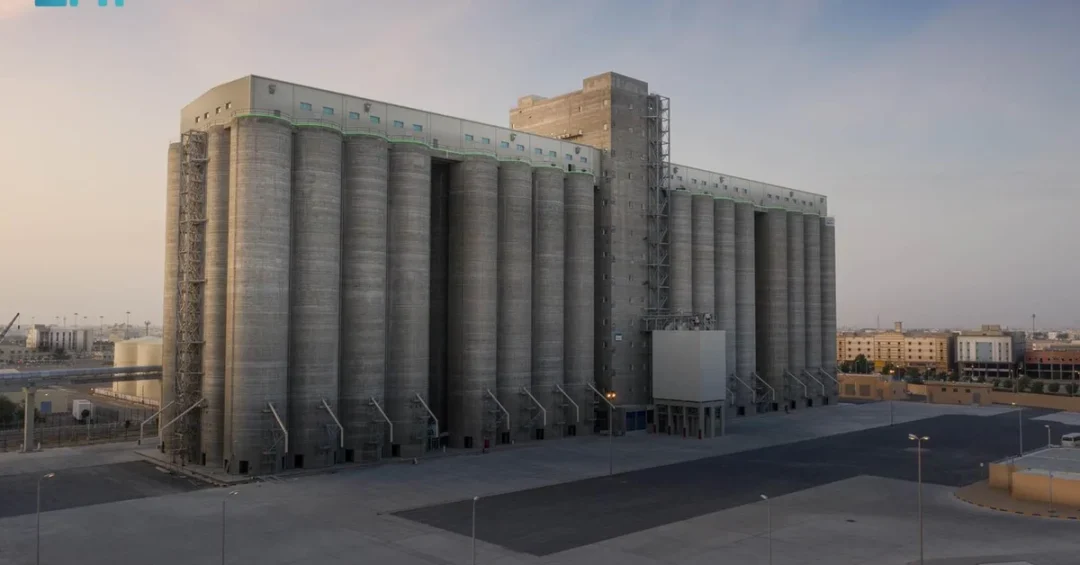
The General Food Security Authority (GFSA) has announced that its branches and milling companies in the Makkah and Madinah regions are fully prepared for the Hajj season 1445 AH, ensuring a steady supply of wheat and flour for the millions of pilgrims expected. The announcement, made by GFSA Governor Eng. Ahmed bin Abdulaziz Al-Faris, underscored the Kingdom’s commitment to food security during the annual pilgrimage.
Context and Background
The Hajj season is one of the largest annual gatherings in the world, with millions of Muslims traveling to Makkah and Madinah to perform the pilgrimage. Ensuring food security for pilgrims is a top priority for Saudi Arabia, and the GFSA plays a critical role in this effort. The authority oversees the production, storage, and distribution of essential food commodities, including wheat and flour, across the Kingdom. Its branches and milling companies in the holy cities are strategically positioned to meet the heightened demand during Hajj.
Key Details
According to Eng. Al-Faris, wheat stocks at the GFSA branches in Makkah and Madinah exceed 600,000 tons, while flour stocks at the milling companies’ branches surpass 700,000 bags. These quantities are supplemented by daily flour production at the mills, which covers all consumption needs. The governor emphasized that reserve stocks are ready for use when needed, and all facilities are operating at full capacity to serve pilgrims. “The authority’s branches and milling companies in the Kingdom play a vital role in providing essential wheat and flour supplies to pilgrims,” he said.
Implications and Impact
This preparedness reflects Saudi Arabia’s robust infrastructure and logistical capabilities, which are essential for managing the large influx of pilgrims. It also highlights the Kingdom’s proactive approach to food security, a key component of its national strategy. The availability of sufficient wheat and flour not only ensures that pilgrims have access to basic food items but also supports the broader economy by stabilizing prices and preventing shortages. Furthermore, the smooth operation of these facilities contributes to the overall success of the Hajj season, enhancing the experience for pilgrims and upholding the Kingdom’s reputation as a gracious host.
Vision 2030 Alignment
The GFSA’s efforts are closely aligned with Saudi Vision 2030, which aims to diversify the economy, enhance food security, and improve the quality of life for citizens and visitors. By ensuring a reliable food supply during Hajj, the authority supports the vision’s goal of providing a seamless and spiritually fulfilling experience for pilgrims. This commitment also reinforces Saudi Arabia’s role as a global leader in managing large-scale events and demonstrates the Kingdom’s dedication to serving the Guests of God.
20 Questions
Q1. What did the GFSA announce regarding Hajj season 1445 AH?
A1. The GFSA announced that its branches and milling companies in Makkah and Madinah are fully prepared for Hajj season 1445 AH, ensuring ample wheat and flour supplies for pilgrims.
Q2. Who is the Governor of the GFSA?
A2. Eng. Ahmed bin Abdulaziz Al-Faris is the Governor of the General Food Security Authority (GFSA).
Q3. How much wheat is stocked in Makkah and Madinah?
A3. Wheat stocks exceed 600,000 tons in the GFSA branches in Makkah and Madinah regions.
Q4. What is the flour stock at the milling companies?
A4. Flour stocks at the milling companies’ branches exceed 700,000 bags.
Q5. Are the mills operating at full capacity?
A5. Yes, all facilities are operating at full capacity to serve pilgrims during Hajj.
Q6. What is the role of GFSA during Hajj?
A6. GFSA ensures food security by providing wheat and flour supplies to pilgrims through its branches and milling companies in Makkah and Madinah.
Q7. Why is food security important during Hajj?
A7. Food security is crucial to meet the nutritional needs of millions of pilgrims, prevent shortages, and maintain stability in the holy cities.
Q8. How does GFSA support Vision 2030?
A8. GFSA supports Vision 2030 by enhancing food security, improving quality of life, and contributing to a seamless Hajj experience for pilgrims.
Q9. What are the reserve stocks used for?
A9. Reserve stocks are kept ready for use when needed to ensure uninterrupted supply during peak demand periods like Hajj.
Q10. How many pilgrims are expected for Hajj 1445 AH?
A10. Millions of pilgrims from around the world are expected to perform Hajj in 1445 AH, though exact numbers are announced closer to the event.
Q11. What other food items does GFSA provide?
A11. GFSA primarily focuses on wheat and flour, but it also oversees the supply of other essential food commodities to ensure overall food security.
Q12. Where are the GFSA branches located?
A12. GFSA has branches across Saudi Arabia, including in Makkah and Madinah, which are critical during Hajj.
Q13. How does GFSA ensure timely distribution?
A13. GFSA coordinates with milling companies and local authorities to ensure efficient distribution of wheat and flour to points of need.
Q14. What is the daily production capacity of the mills?
A14. The mills in Makkah and Madinah produce enough flour daily to cover the entire consumption needs during Hajj.
Q15. Has GFSA faced any challenges in previous Hajj seasons?
A15. GFSA has consistently managed supply chains effectively, and no major challenges have been reported, thanks to proactive planning.
Q16. How does GFSA coordinate with other government agencies?
A16. GFSA collaborates with ministries and local authorities to align food supply efforts with overall Hajj logistics and security plans.
Q17. What measures are in place to prevent spoilage?
A17. GFSA adheres to strict storage and quality control protocols to ensure all food supplies remain safe and fresh.
Q18. Are there any private sector partners involved?
A18. Yes, GFSA works with private milling companies to leverage their production and distribution networks.
Q19. How can pilgrims access these food supplies?
A19. Pilgrims can access food through designated distribution points, hotels, and catering services that source from GFSA-approved suppliers.
Q20. What is the significance of the 1445 AH Hajj season?
A20. The 1445 AH Hajj season marks another significant gathering of Muslims, and Saudi Arabia’s preparations reflect its commitment to serving pilgrims with excellence.
Reader Feedback
We value your thoughts. Please share your feedback on this article.
Your feedback helps us improve our coverage.