


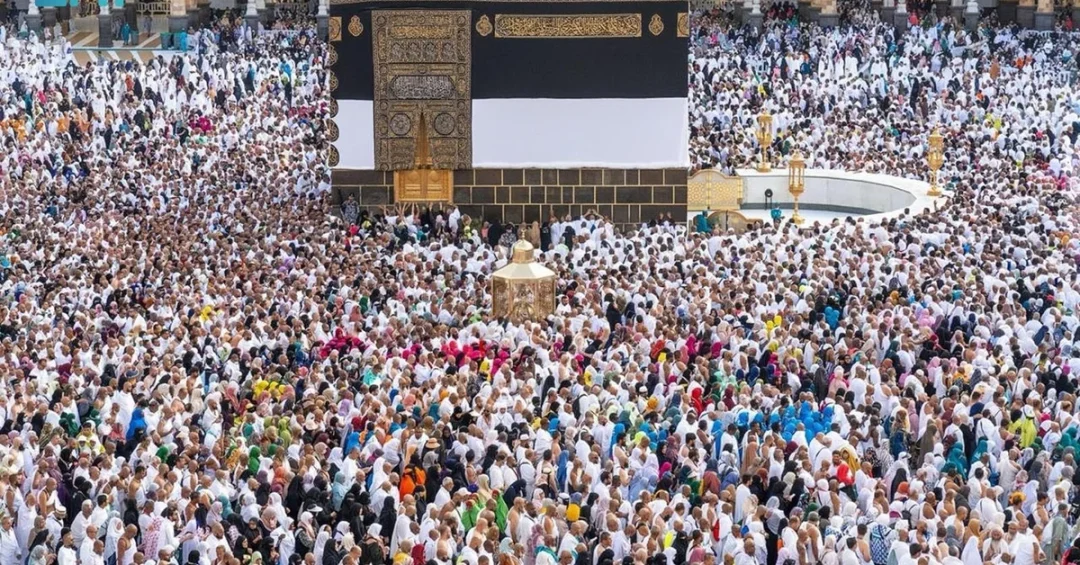
A 50-year-old Indian pilgrim has successfully undergone life-saving heart surgery at King Abdullah Medical City in Makkah, a member of the Makkah Health Cluster, after suffering a severe heart attack during his pilgrimage. The patient was transferred to the specialized cardiac facility after contacting the cardiac catheterization department via the designated hotline. Medical tests confirmed the heart attack upon arrival, prompting immediate transfer to the catheterization unit. The procedure revealed complex blockages in the coronary arteries. While the catheterization team successfully opened one obstructed artery and inserted a stent, his condition necessitated open-heart surgery, which was performed successfully the following day. The patient has since recovered, is in good health, and can continue the Hajj rituals under medical supervision, according to the Makkah Health Cluster.
Context and Background
The incident underscores the critical importance of Saudi Arabia’s advanced healthcare infrastructure, particularly during the Hajj season when millions of pilgrims from around the world gather in Makkah. King Abdullah Medical City, a prominent member of the Makkah Health Cluster, is equipped with state-of-the-art cardiac care facilities and highly skilled medical professionals who are trained to handle emergencies swiftly. The Makkah Health Cluster operates under the Ministry of Health, which has implemented comprehensive emergency response systems to ensure the well-being of pilgrims. This includes dedicated hotlines, rapid transfer protocols, and specialized units for cardiac and other critical conditions. The successful intervention reflects years of investment in healthcare under Vision 2030, which aims to enhance the quality and accessibility of medical services across the Kingdom.
Key Details
The patient, a 50-year-old Indian national, experienced a severe heart attack while performing Hajj. After contacting the cardiac catheterization department via the designated hotline, he was swiftly transferred to King Abdullah Medical City. Upon arrival, medical tests confirmed the heart attack, and he was immediately taken to the cardiac catheterization department. The catheterization examination revealed complex blockages in the coronary arteries. The medical team opened one obstructed artery and inserted a stent to restore blood flow. However, due to the severity of his condition, open-heart surgery was required, which was successfully performed the next day. The patient has recovered fully, is in good health, and can continue the Hajj rituals under medical supervision. The Makkah Health Cluster has emphasized the importance of seeking immediate medical attention during emergencies, and this case highlights the effectiveness of the Kingdom’s emergency response system.
Implications and Impact
This successful surgery demonstrates Saudi Arabia’s capability to provide world-class healthcare to pilgrims, reinforcing its role as the custodian of the Two Holy Mosques and its commitment to ensuring the safety and well-being of all visitors. The incident also highlights the seamless coordination between emergency services and specialized medical facilities in Makkah. For international observers, it showcases the Kingdom’s advanced medical infrastructure and its ability to handle complex medical emergencies during large-scale events. Moreover, it sends a positive message about the Hajj experience, assuring pilgrims that they are in safe hands. The Makkah Health Cluster’s efficient response serves as a model for emergency medical care during mass gatherings, further solidifying Saudi Arabia’s reputation as a leader in pilgrimage management and healthcare services.
Vision 2030 Alignment
This achievement aligns closely with Saudi Arabia’s Vision 2030, which prioritizes the development of a robust healthcare system that meets international standards. The Vision aims to enhance the quality of life for citizens and visitors alike, and the successful treatment of the Indian pilgrim exemplifies the Kingdom’s progress in this area. By investing in cutting-edge medical technology and training skilled professionals, Saudi Arabia is not only improving domestic healthcare but also positioning itself as a global hub for medical excellence. As the Kingdom continues to welcome millions of pilgrims annually, such stories of successful interventions reinforce its unwavering commitment to their health and safety, a cornerstone of its leadership in the Islamic world. The Makkah Health Cluster’s efforts are a testament to the Vision’s objective of creating a vibrant society and a thriving economy through superior public services.
20 Questions
Q1. What happened to the 50-year-old Indian pilgrim in Makkah?
A1. He suffered a severe heart attack and underwent life-saving heart surgery at King Abdullah Medical City, a member of the Makkah Health Cluster, after which he recovered and can continue Hajj rituals.
Q2. Where was the pilgrim treated?
A2. He was treated at King Abdullah Medical City in Makkah, which is part of the Makkah Health Cluster and is equipped with advanced cardiac care facilities.
Q3. How did the pilgrim contact the hospital?
A3. He contacted the cardiac catheterization department via the designated hotline, which led to his swift transfer to King Abdullah Medical City.
Q4. What did medical tests reveal upon his arrival?
A4. Medical tests confirmed that he had suffered a heart attack, prompting immediate transfer to the cardiac catheterization department for further evaluation.
Q5. What did the catheterization examination show?
A5. The examination showed complex blockages in the coronary arteries, requiring immediate intervention to restore blood flow to the heart.
Q6. What was the initial treatment provided?
A6. The catheterization team opened one obstructed artery and inserted a stent to improve blood flow, but his condition still required open-heart surgery.
Q7. When was the open-heart surgery performed?
A7. The open-heart surgery was successfully performed the following day after the catheterization procedure, ensuring the best possible outcome.
Q8. How is the patient doing now?
A8. The patient has recovered, is in good health, and can conduct the Hajj rituals under medical supervision, according to the Makkah Health Cluster.
Q9. What is the Makkah Health Cluster?
A9. The Makkah Health Cluster is a healthcare organization under the Ministry of Health that oversees hospitals and medical services in the Makkah region, ensuring high-quality care.
Q10. Why is this incident significant?
A10. It highlights Saudi Arabia’s advanced healthcare capabilities and its commitment to ensuring the safety and well-being of pilgrims during Hajj, a major religious event.
Q11. How does this reflect Saudi Arabia’s healthcare system?
A11. It demonstrates the Kingdom’s robust emergency response, specialized cardiac care, and seamless coordination between hotline services and hospitals in Makkah.
Q12. What role did the designated hotline play?
A12. The hotline provided a direct connection to the cardiac catheterization department, enabling rapid transfer and timely treatment, which was crucial for the patient’s survival.
Q13. What is the significance of King Abdullah Medical City?
A13. It is a leading medical facility in Makkah equipped with state-of-the-art technology and highly skilled professionals, capable of handling complex cardiac emergencies.
Q14. How does this align with Vision 2030?
A14. Vision 2030 aims to enhance healthcare quality and accessibility, and this successful intervention showcases the Kingdom’s progress in providing world-class medical services.
Q15. What does this mean for future pilgrims?
A15. It reassures pilgrims that Saudi Arabia has the infrastructure and expertise to handle medical emergencies, ensuring a safe and spiritually fulfilling Hajj experience.
Q16. Who performed the surgery?
A16. A specialized medical team at King Abdullah Medical City, including cardiac surgeons and catheterization experts, performed the surgery successfully.
Q17. What type of surgery was performed?
A17. Open-heart surgery was performed to address the complex blockages in the coronary arteries after the initial catheterization procedure.
Q18. How long did the patient stay in the hospital?
A18. The patient received immediate care, underwent catheterization and then open-heart surgery the next day, and has now recovered, though the exact duration was not specified.
Q19. What message does this send to the international community?
A19. It demonstrates Saudi Arabia’s capability to provide top-tier healthcare to visitors, reinforcing its role as a leading destination for pilgrimage with comprehensive medical support.
Q20. What should pilgrims do in case of a medical emergency?
A20. Pilgrims should immediately contact the designated hotline or seek help from on-site medical teams, as prompt action can save lives, as shown in this case.
Reader Feedback
We value your thoughts. Please share your feedback on this article.
Your feedback helps us improve our coverage.