


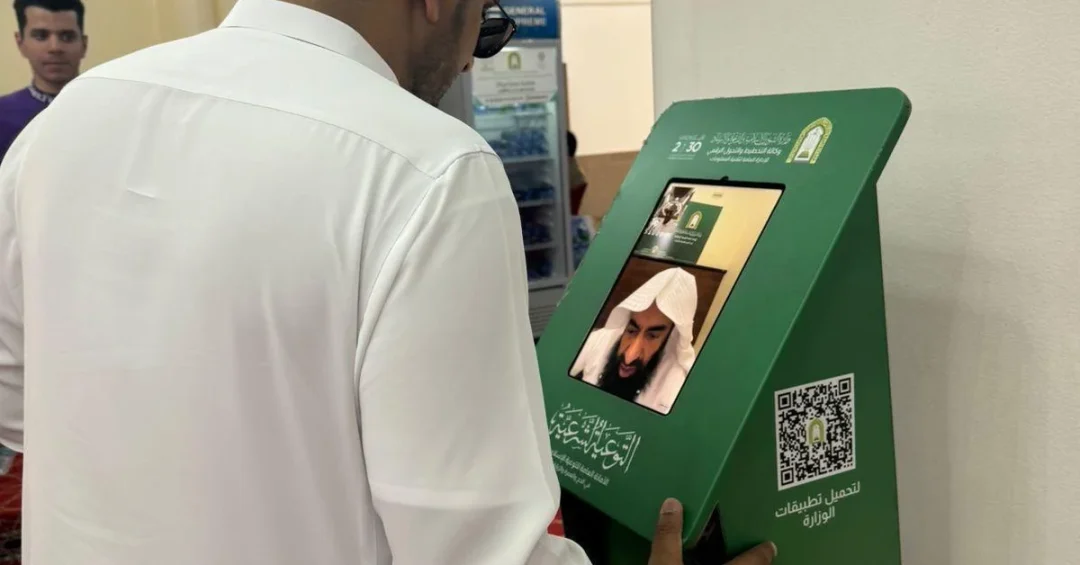
The Madinah region branch of the Ministry of Islamic Affairs, Dawah, and Guidance has launched a new video call service at Masjid al-Qiblatain to answer Hajj-related inquiries from pilgrims, the Saudi Press Agency reported on June 12, 2024. The service, available in 30 languages, connects worshippers with scholars, preachers, translators, and specialists who provide guidance on Hajj rituals. The initiative aims to enhance the pilgrim experience and ensure their satisfaction, reflecting the ministry’s commitment to serving those performing the sacred journey.
Context and Background
Masjid al-Qiblatain, located in Madinah, holds historical significance in Islam as the mosque where the Qiblah (direction of prayer) was changed from Jerusalem to Makkah. It is a frequent stop for pilgrims visiting the holy cities. The Ministry of Islamic Affairs, Dawah, and Guidance, under the leadership of Minister Dr. Abdullatif bin Abdulaziz Al Al-Sheikh, has been expanding digital services to meet the growing needs of Hajj and Umrah pilgrims. This video call service is part of a broader strategy to integrate technology into religious guidance, ensuring that accurate information about Hajj rituals is accessible to all, regardless of language or background.
Key Details
The service operates in 30 languages, making it one of the most multilingual religious guidance platforms in the region. It involves a team of qualified scholars, preachers, translators, and specialists who are available to answer questions in real-time via video calls. Pilgrims can inquire about various aspects of Hajj, including the correct procedures for rituals, timing, and spiritual preparations. The Madinah branch emphasized that this service is part of ongoing efforts to serve pilgrims, meet their needs, and ensure their utmost satisfaction. The initiative aligns with the ministry’s goal to provide seamless and accessible religious guidance, particularly during peak seasons like Hajj.
Implications and Impact
This service is expected to significantly enhance the pilgrimage experience by providing immediate, reliable answers to pilgrims’ questions. It reduces the need for physical visits to information centers, which can be crowded during Hajj. The multilingual aspect ensures that non-Arabic speakers receive accurate guidance, promoting inclusivity and understanding. Moreover, it reflects Saudi Arabia’s broader commitment to leveraging technology for the benefit of visitors to the holy sites. The service also supports the Kingdom’s efforts to manage large crowds efficiently and maintain a peaceful environment for worship. By addressing inquiries promptly, it helps pilgrims focus on their spiritual journey without confusion or delay.
Vision 2030 Alignment
This initiative is a clear example of how Saudi Arabia’s Vision 2030 is transforming the pilgrim experience. Vision 2030 aims to enhance the quality of services provided to Hajj and Umrah pilgrims, increase the number of pilgrims, and improve their overall satisfaction. By integrating advanced technology and multilingual support, the Ministry of Islamic Affairs, Dawah, and Guidance is contributing to the Vision’s objectives of becoming a global leader in serving pilgrims. This service not only facilitates a smoother Hajj but also showcases the Kingdom’s dedication to innovation and hospitality, reinforcing its role as the custodian of the Two Holy Mosques.
20 Questions
Q1. What is the new video call service introduced in Madinah?
A1. The Madinah region branch of the Ministry of Islamic Affairs, Dawah, and Guidance introduced a video call service at Masjid al-Qiblatain to answer Hajj-related inquiries from pilgrims, aiming to improve their experience.
Q2. When was this service announced?
A2. The service was announced on June 12, 2024, according to the Saudi Press Agency.
Q3. Where is the service located?
A3. The service is located at Masjid al-Qiblatain in Madinah, a historically significant mosque where the Qiblah was changed.
Q4. In how many languages is the service available?
A4. The service is available in 30 languages, ensuring accessibility for pilgrims from diverse linguistic backgrounds.
Q5. Who participates in providing this service?
A5. Scholars, preachers, translators, and specialists participate in the service, offering guidance and answering questions about Hajj rituals.
Q6. What types of questions can pilgrims ask?
A6. Pilgrims can ask questions about Hajj rituals, including procedures, timing, and spiritual preparations, receiving accurate guidance from qualified experts.
Q7. Why is Masjid al-Qiblatain chosen for this service?
A7. Masjid al-Qiblatain is a key historical site in Madinah, frequently visited by pilgrims, making it an ideal location to offer guidance and support.
Q8. How does this service improve the pilgrim experience?
A8. It provides immediate, reliable answers in multiple languages, reducing confusion and allowing pilgrims to focus on their spiritual journey without delays.
Q9. Is this service part of a larger initiative?
A9. Yes, it is part of the Ministry of Islamic Affairs’ ongoing efforts to serve pilgrims, meet their needs, and ensure their satisfaction through innovative solutions.
Q10. What is the role of the Ministry of Islamic Affairs, Dawah, and Guidance?
A10. The ministry oversees religious affairs in Saudi Arabia, including guidance for pilgrims, and continuously develops services to enhance the Hajj and Umrah experience.
Q11. How does this service align with Saudi Vision 2030?
A11. It supports Vision 2030 goals by improving pilgrim services, leveraging technology, and enhancing the quality of the Hajj experience, showcasing Saudi hospitality and innovation.
Q12. Can pilgrims access the service remotely?
A12. The service is available at Masjid al-Qiblatain, but it may be expanded; currently, it operates on-site to assist pilgrims directly.
Q13. What technology is used for the video call service?
A13. The service utilizes video call technology to connect pilgrims with scholars and specialists, enabling real-time interaction and guidance.
Q14. How does the service handle language barriers?
A14. With 30 languages available and translators on hand, the service ensures that pilgrims receive accurate information in their native language.
Q15. Are there any costs for pilgrims to use this service?
A15. The service is provided free of charge as part of the ministry’s efforts to serve pilgrims and ensure their satisfaction.
Q16. What impact does this service have on crowd management?
A16. By answering inquiries via video call, it reduces the need for physical visits to information centers, helping to manage crowds efficiently during Hajj.
Q17. How does this service reflect Saudi Arabia’s commitment to pilgrims?
A17. It demonstrates the Kingdom’s dedication to providing innovative, accessible religious guidance, ensuring pilgrims have a smooth and fulfilling Hajj experience.
Q18. Will the service be expanded to other locations?
A18. While currently at Masjid al-Qiblatain, the ministry may consider expanding similar services based on success and pilgrim needs, though no official announcement has been made.
Q19. What feedback has the service received so far?
A19. As a new initiative, feedback is being collected; initial responses highlight its convenience and effectiveness in addressing pilgrim inquiries promptly.
Q20. How can pilgrims learn more about this service?
A20. Pilgrims can inquire at Masjid al-Qiblatain or visit the Ministry of Islamic Affairs’ official channels for more information on the video call service and other initiatives.
Reader Feedback
We value your thoughts. Please share your feedback on this article.
Your feedback helps us improve our coverage.