


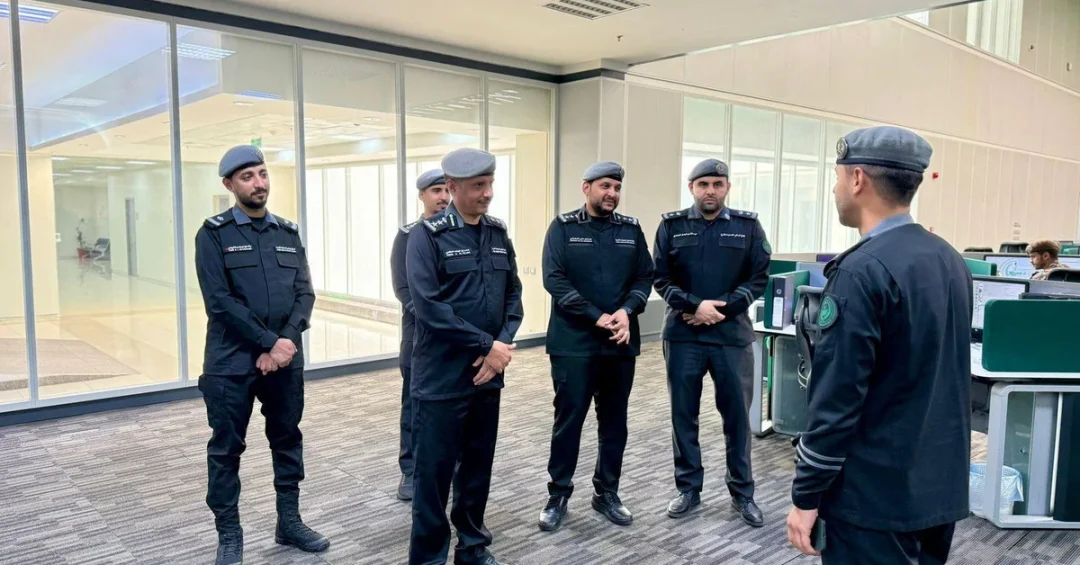
Colonel Omar bin Aida Al-Talhi, Acting Commander of the National Center for Security Operations, inspected the Unified Security Operations Center (911) in Makkah on June 12, 2024, to oversee preparations for the Hajj season 1445 AH. The center remains fully operational to receive security and humanitarian calls and to provide necessary assistance to pilgrims through the unified emergency number 911. This visit underscores Saudi Arabia’s commitment to ensuring the safety and well-being of all pilgrims during the sacred pilgrimage.
Context and Background
The Unified Security Operations Center (911) in Makkah is a key component of the Ministry of Interior’s initiatives, implemented in cooperation with the Quality of Life Program, one of the Saudi Vision 2030 programs. These centers are specialized in receiving all emergency calls and coordinating responses among various security and service agencies. During the Hajj season 1444 AH, the center received 1,127,829 calls, demonstrating its critical role in managing emergencies and supporting pilgrims. The Hajj season 1445 AH is expected to see even greater numbers, and the center is fully prepared to handle the influx.
Key Details
During his inspection, Colonel Al-Talhi emphasized the importance of providing services to pilgrims and ensuring their security and safety. He stressed that reports should be referred to competent authorities in record time, dealt with precision and high professionalism, and followed up until they are addressed. He also highlighted the need to support partner agencies in implementing the comprehensive emergency plan for Hajj and to achieve coordination and integration between security and service agencies. The center operates 24/7, with trained personnel dedicated to responding to emergencies efficiently.
Implications and Impact
The Unified Security Operations Center (911) plays a vital role in managing the large crowds during Hajj, ensuring that any incident is handled swiftly and effectively. This not only enhances the safety of pilgrims but also contributes to the overall success of the Hajj season. The center’s advanced technology and integrated approach serve as a model for emergency response systems globally. By leveraging cutting-edge solutions, Saudi Arabia demonstrates its capability to host millions of pilgrims safely, reinforcing its position as a leader in crowd management and public safety.
Vision 2030 Alignment
The Unified Security Operations Centers are part of the Ministry of Interior’s initiatives under the Quality of Life Program, a key component of Saudi Vision 2030. This program aims to enhance the quality of life for citizens and visitors alike, aligning with the broader goals of improving public services and infrastructure. The success of these centers reflects the Kingdom’s commitment to modernization and innovation, as well as its dedication to ensuring the safety and well-being of all pilgrims. Through such initiatives, Saudi Arabia continues to advance its Vision 2030 objectives, fostering a secure and prosperous environment for all.
20 Questions
Q1. What is the Unified Security Operations Center (911) in Makkah?
A1. The Unified Security Operations Center (911) in Makkah is a specialized facility that receives all emergency calls and coordinates responses among security and service agencies during the Hajj season. It operates under the Ministry of Interior and is part of the Quality of Life Program, a Saudi Vision 2030 initiative.
Q2. Who inspected the center on June 12, 2024?
A2. Colonel Omar bin Aida Al-Talhi, Acting Commander of the National Center for Security Operations, inspected the center. His visit aimed to oversee preparations for the Hajj season 1445 AH and ensure the center is fully operational to assist pilgrims.
Q3. What is the primary role of the center during Hajj?
A3. The center’s primary role is to receive security and humanitarian calls via the unified emergency number 911, provide necessary assistance to pilgrims, and refer reports to competent authorities swiftly. It ensures coordination among agencies for a comprehensive emergency response.
Q4. How many calls did the center receive during Hajj season 1444 AH?
A4. During Hajj season 1444 AH, the center received 1,127,829 calls. This high volume demonstrates the center’s critical role in managing emergencies and supporting the millions of pilgrims who perform Hajj annually.
Q5. What did Colonel Al-Talhi emphasize during his inspection?
A5. Colonel Al-Talhi emphasized providing services to pilgrims, ensuring their security and safety, and referring reports to competent authorities in record time. He stressed dealing with reports with precision and professionalism, and following up until they are resolved.
Q6. How does the center support partner agencies?
A6. The center supports partner agencies by providing assistance and facilitating coordination and integration between security and service agencies. This ensures the comprehensive emergency plan for Hajj is implemented effectively, enhancing overall safety and efficiency.
Q7. What is the significance of the unified emergency number 911?
A7. The unified emergency number 911 allows pilgrims and residents to quickly report emergencies, ensuring a rapid and coordinated response. It simplifies access to help and improves the efficiency of emergency services during the busy Hajj season.
Q8. How does the center contribute to Saudi Vision 2030?
A8. The center is part of the Ministry of Interior’s initiatives under the Quality of Life Program, a key Vision 2030 program. It aims to enhance public services and infrastructure, reflecting the Kingdom’s commitment to modernization and improving the quality of life for all.
Q9. What technologies does the center use?
A9. The center utilizes advanced communication and dispatch technologies to receive and process emergency calls efficiently. It integrates data from various agencies to ensure a swift and coordinated response, leveraging cutting-edge solutions for crowd management and public safety.
Q10. How does the center handle the large crowds during Hajj?
A10. The center handles large crowds by maintaining a 24/7 operation with trained personnel, using advanced technology to manage calls, and coordinating with security and service agencies. This ensures any incident is addressed swiftly, enhancing pilgrim safety.
Q11. What is the National Center for Security Operations?
A11. The National Center for Security Operations is a Saudi authority responsible for overseeing security operations and emergency response across the Kingdom. It ensures coordination among various agencies to maintain safety and security, especially during major events like Hajj.
Q12. How many pilgrims perform Hajj annually?
A12. Millions of pilgrims from around the world perform Hajj annually. In recent years, the number has exceeded 2 million, making it one of the largest annual gatherings globally. The center is crucial for managing this massive influx safely.
Q13. What other initiatives support Hajj security?
A13. Other initiatives include the Ministry of Interior’s comprehensive emergency plan, the deployment of additional security forces, and the use of smart technologies for crowd management. These efforts are part of Saudi Arabia’s commitment to ensuring a safe and smooth Hajj experience.
Q14. How does the center ensure data privacy?
A14. The center adheres to strict data privacy and security protocols to protect the information of pilgrims and callers. It complies with national regulations and employs secure systems to safeguard data while ensuring efficient emergency response.
Q15. What training do center personnel receive?
A15. Center personnel receive specialized training in emergency response, communication, and coordination. They are equipped to handle high-pressure situations with professionalism and precision, ensuring that all calls are managed effectively and promptly.
Q16. How does the center coordinate with field teams?
A16. The center coordinates with field teams through real-time communication systems, dispatching appropriate resources to incident locations. It maintains constant contact with security and service agencies to ensure seamless integration and rapid response.
Q17. What languages are supported by the center?
A17. The center supports multiple languages to assist pilgrims from diverse backgrounds. Operators are trained to handle calls in Arabic, English, and other languages as needed, ensuring effective communication and assistance for all callers.
Q18. How does the center measure its performance?
A18. The center measures performance through metrics such as response time, call resolution rate, and customer satisfaction. These indicators help identify areas for improvement and ensure high-quality service delivery during Hajj and beyond.
Q19. What role does the Quality of Life Program play?
A19. The Quality of Life Program, a Vision 2030 initiative, aims to enhance the living standards of citizens and visitors. It supports projects like the Unified Security Operations Centers to improve public safety and services, contributing to a better quality of life.
Q20. What is the expected impact of the center for Hajj 1445 AH?
A20. For Hajj 1445 AH, the center is expected to handle an increased volume of calls with greater efficiency, further ensuring pilgrim safety. Its advanced systems and coordinated approach will contribute to a seamless and secure Hajj experience for all.
Reader Feedback
We value your thoughts. Please share your feedback on this article.
Your feedback helps us improve our coverage.