


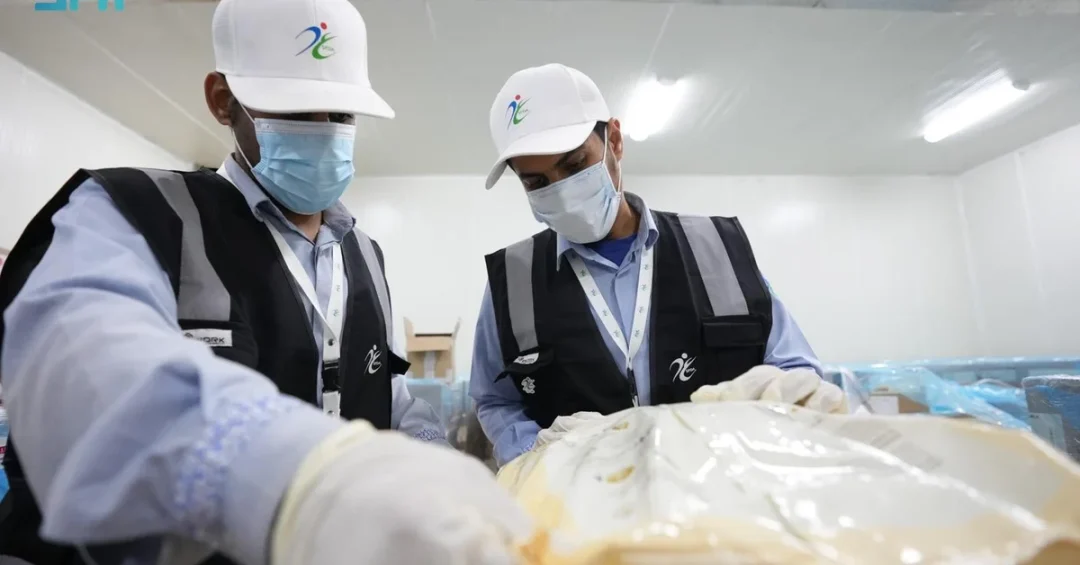
The Saudi Food and Drug Authority (SFDA) has seized 571 unlicensed establishments in the Makkah and Madinah regions during the Hajj season of 2024, referring them to the appropriate authorities for legal action. This decisive move underscores the Kingdom of Saudi Arabia’s unwavering commitment to ensuring the safety and well-being of millions of pilgrims who travel to the holy sites each year. The SFDA’s action reflects its rigorous oversight of food, medicine, and medical device establishments, reinforcing the highest standards of public health and safety.
Context and Background
The Hajj pilgrimage is one of the largest annual gatherings in the world, drawing millions of Muslims from across the globe to the holy cities of Makkah and Madinah. Ensuring the health and safety of pilgrims is a paramount responsibility for Saudi authorities, particularly during the Hajj season when the demand for food, medicines, and medical products surges. The SFDA, as the national regulatory body, plays a critical role in monitoring and enforcing compliance with health regulations.
During the Hajj season, the SFDA intensifies its inspection campaigns to identify and address any violations that could jeopardize public health. The authority conducted a total of 3,676 inspection visits to facilities under its supervision, demonstrating its proactive approach to safeguarding pilgrims. These inspections cover a wide range of establishments, including food outlets, pharmacies, and medical device suppliers, ensuring they adhere to strict quality and safety standards.
Key Details
The 571 unlicensed establishments were found to be involved in producing and storing food, medicines, and medical devices without the necessary permits. Such practices pose significant health risks, as unregulated products may be substandard, contaminated, or counterfeit. By taking swift action, the SFDA has prevented potential harm to pilgrims and upheld the integrity of the Hajj experience.
The SFDA has called upon all establishments under its supervision to comply fully with the rules, regulations, and quality standards that govern their operations. It emphasized that maximum penalties will be imposed on violators in collaboration with relevant authorities. This firm stance sends a clear message that non-compliance will not be tolerated, especially during such a critical period.
Furthermore, the SFDA encourages the public to actively participate in ensuring food and drug safety by reporting any violations through the unified number 19999. This collaborative approach between the authority and the public helps to create a secure environment for pilgrims and ensures that any risks are promptly addressed.
Implications and Impact
The SFDA’s actions have significant implications for public health and safety during Hajj. By removing unlicensed establishments from the market, the authority reduces the likelihood of pilgrims consuming unsafe or ineffective products. This not only protects the health of individuals but also preserves the sanctity and smooth operation of the Hajj pilgrimage, which is a cornerstone of the Islamic faith and a major logistical undertaking for Saudi Arabia.
Moreover, the SFDA’s rigorous enforcement enhances the Kingdom’s reputation as a responsible and capable steward of the Hajj. It demonstrates Saudi Arabia’s ability to manage large-scale events with precision and care, reinforcing confidence among pilgrims and the international community. The authority’s transparency and accountability further strengthen public trust in its regulatory framework.
On a broader scale, the SFDA’s efforts align with global best practices in food and drug safety. By maintaining high standards, Saudi Arabia contributes to international health security and sets an example for other nations hosting mass gatherings. This commitment is particularly relevant as the world continues to face challenges related to food safety and counterfeit medical products.
Vision 2030 Alignment
The SFDA’s proactive measures during the Hajj season are in line with Saudi Arabia’s Vision 2030, which aims to enhance the quality of life for citizens and visitors while promoting sustainable development. A key pillar of Vision 2030 is improving healthcare services and ensuring public safety, both of which are directly supported by the SFDA’s work. By safeguarding the health of pilgrims, the authority contributes to the Kingdom’s goal of providing a world-class Hajj experience.
Additionally, Vision 2030 emphasizes the importance of good governance, transparency, and accountability—values that the SFDA embodies through its inspection campaigns and public outreach. As Saudi Arabia continues to diversify its economy and attract millions of visitors for religious and tourism purposes, the role of regulatory bodies like the SFDA becomes increasingly vital. Their efforts not only protect public health but also bolster the Kingdom’s standing as a global leader in hosting large-scale events.
20 Questions
Q1. What action did the Saudi Food and Drug Authority take during the Hajj season?
A1. The SFDA seized 571 unlicensed establishments involved in producing and storing food, medicines, and medical devices in the Makkah and Madinah regions, referring them to authorities for legal action.
Q2. How many inspection visits did the SFDA conduct during the Hajj season?
A2. The SFDA conducted 3,676 inspection visits to facilities under its supervision to ensure compliance with health and safety regulations during the Hajj season.
Q3. Why are these inspections particularly important during Hajj?
A3. They are crucial because millions of pilgrims gather, increasing demand for food and medicine, and ensuring safety prevents health risks and maintains the sanctity of the pilgrimage.
Q4. What types of establishments were targeted by the SFDA?
A4. Establishments involved in producing and storing food, medicines, and medical devices were targeted to ensure they meet regulatory standards and do not pose health risks.
Q5. What happens to establishments that violate SFDA regulations?
A5. Violators are referred to appropriate authorities for legal action, and maximum penalties are imposed in collaboration with relevant agencies to deter non-compliance.
Q6. How can the public contribute to food and drug safety during Hajj?
A6. The public can report violations that may pose health risks to pilgrims by calling the unified number 19999, aiding the SFDA in its oversight efforts.
Q7. What is the role of the SFDA in ensuring pilgrim safety?
A7. The SFDA monitors and enforces compliance with health regulations, conducts inspections, and takes action against violators to protect pilgrims from unsafe products.
Q8. How does the SFDA’s work align with Saudi Vision 2030?
A8. It supports Vision 2030 by enhancing healthcare quality, ensuring public safety, and promoting good governance, which are key pillars of the Kingdom’s development plan.
Q9. What message does the SFDA send to establishments under its supervision?
A9. The SFDA stresses that compliance with rules and quality standards is mandatory and that maximum penalties will be imposed on violators to ensure safety.
Q10. What are the potential risks of unlicensed establishments during Hajj?
A10. Unlicensed establishments may produce or store substandard, contaminated, or counterfeit products, posing serious health risks to pilgrims and undermining public trust.
Q11. How does the SFDA ensure transparency in its operations?
A11. The SFDA publicly announces its actions, encourages public reporting, and collaborates with authorities, demonstrating accountability and commitment to public safety.
Q12. What is the unified number for reporting violations, and why is it important?
A12. The unified number is 19999. It provides a direct channel for the public to report violations, enabling swift action and enhancing overall safety during Hajj.
Q13. What impact do these measures have on the overall Hajj experience?
A13. They ensure a safer environment for pilgrims, allowing them to focus on their spiritual journey without health concerns, and uphold the prestige of Hajj.
Q14. How does the SFDA collaborate with other authorities?
A14. The SFDA works with relevant authorities to impose penalties on violators and ensure comprehensive enforcement of health regulations during Hajj.
Q15. What are the key areas of focus for SFDA inspections during Hajj?
A15. Inspections focus on food outlets, pharmacies, and medical device suppliers to verify compliance with safety and quality standards and prevent health hazards.
Q16. How does the SFDA’s action reflect Saudi Arabia’s commitment to public health?
A16. It demonstrates a proactive and rigorous approach to safeguarding health, consistent with the Kingdom’s priorities and its responsibility as host of Hajj.
Q17. What penalties might violators face?
A17. Violators may face maximum penalties as per regulations, including fines, closure, and legal prosecution, to deter non-compliance and protect public health.
Q18. How does the SFDA’s work benefit international pilgrims?
A18. International pilgrims benefit from enhanced safety standards, reducing the risk of illness or harm from unregulated products, and ensuring a secure pilgrimage experience.
Q19. What is the significance of the number 571 in this context?
A19. It represents the number of unlicensed establishments seized, highlighting the scale of the SFDA’s enforcement efforts and its commitment to eliminating health risks.
Q20. How does this action contribute to Saudi Arabia’s global standing?
A20. It showcases the Kingdom’s capability to manage mass gatherings effectively, reinforcing its reputation as a responsible global leader in public health and event management.
Reader Feedback
We value your thoughts. Please share your feedback on this article.
Your feedback helps us improve our coverage.