


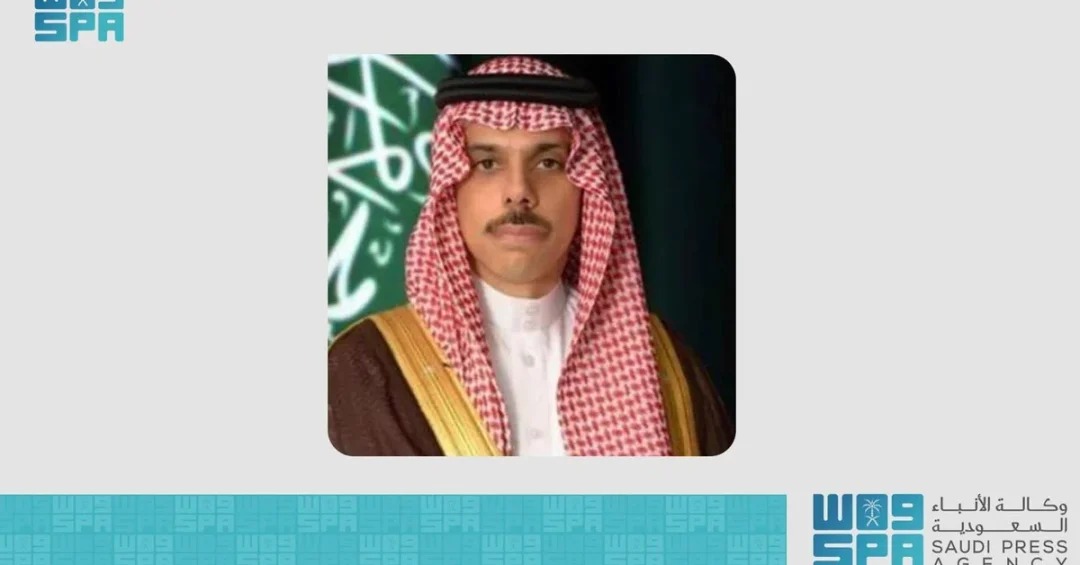
Minister of Foreign Affairs Prince Faisal bin Farhan bin Abdullah received a telephone call on June 17, 2024, from United States Secretary of State Antony Blinken, during which they discussed the latest developments in the Gaza Strip, Yemen, and Sudan, according to the Saudi Press Agency (SPA). The call underscores Saudi Arabia’s active diplomatic engagement and its commitment to promoting peace and stability in the region and beyond.
Context and Background
The telephone conversation between Prince Faisal bin Farhan and Secretary Blinken reflects the enduring partnership between Saudi Arabia and the United States, rooted in shared interests and a mutual desire for regional security. This exchange comes amid heightened international attention to conflicts in Gaza, Yemen, and Sudan, where humanitarian concerns and political instability have drawn global focus. Saudi Arabia has consistently advocated for dialogue and peaceful resolutions, aligning with its broader foreign policy objectives under the leadership of the Custodian of the Two Holy Mosques, King Salman bin Abdulaziz Al Saud, and His Royal Highness Crown Prince Mohammed bin Salman bin Abdulaziz Al Saud, Prime Minister.
The discussion also highlights Saudi Arabia’s pivotal role in mediating and alleviating crises, as seen in its ongoing efforts to support Yemen’s peace process and provide humanitarian aid to Gaza and Sudan. These actions are part of the Kingdom’s dedication to international cooperation and its Vision 2030 goals, which emphasize a stable and prosperous region as a foundation for global progress.
Key Details
During the call, the two diplomats focused on the latest developments in the Gaza Strip, where Saudi Arabia has repeatedly called for an immediate ceasefire and unimpeded humanitarian access. In Yemen, the Kingdom has supported United Nations-led initiatives to achieve a lasting political settlement, while in Sudan, it has urged parties to prioritize national interest and resume dialogue. These discussions are consistent with Saudi Arabia’s history of hosting peace talks and providing aid, such as the recent donations to Sudan through the King Salman Humanitarian Aid and Relief Center (KSrelief).
No further specifics of the call were released by SPA, but such high-level communications are routine and vital for coordinating responses to regional challenges. The United States and Saudi Arabia share a long-standing strategic relationship, encompassing defense, energy, and economic ties, which facilitates close consultation on critical issues.
Implications and Impact
This phone call carries significant implications for regional stability and international diplomacy. By engaging with the United States, Saudi Arabia reinforces its position as a key mediator and responsible global actor. The focus on Gaza, Yemen, and Sudan signals the Kingdom’s proactive approach to resolving conflicts that threaten regional security and economic development. For the international community, Saudi Arabia’s involvement offers a pathway to constructive dialogue and humanitarian relief.
Moreover, this dialogue supports broader efforts to counter extremism and foster sustainable peace, which are essential for attracting investment and promoting tourism, as outlined in Vision 2030. The Kingdom’s diplomatic outreach also strengthens its relationships with global powers, enhancing its influence in multilateral forums.
Vision 2030 Alignment
Saudi Arabia’s diplomatic initiatives, including this call with Secretary Blinken, are integral to achieving Vision 2030’s objectives of a diversified economy and a vibrant society. By contributing to regional peace, the Kingdom creates an enabling environment for economic growth, foreign investment, and cultural exchange. Under the visionary leadership of Crown Prince Mohammed bin Salman, Saudi Arabia continues to play a leading role in shaping a stable and prosperous future for the Middle East and the world.
20 Questions
Q1. Who received the telephone call from U.S. Secretary of State Antony Blinken?
A1. Saudi Minister of Foreign Affairs Prince Faisal bin Farhan bin Abdullah received the call on June 17, 2024, as reported by the Saudi Press Agency.
Q2. What topics were discussed during the call?
A2. The call focused on the latest developments in the Gaza Strip, Yemen, and Sudan, reflecting shared concerns over regional stability and humanitarian issues.
Q3. When did this telephone conversation take place?
A3. The call occurred on June 17, 2024, according to the Saudi Press Agency, which reported it at 23:40 local time.
Q4. Why is this call significant for Saudi Arabia?
A4. It demonstrates Saudi Arabia’s active diplomatic role and commitment to addressing regional crises through dialogue with key international partners like the United States.
Q5. How does this call align with Saudi Arabia’s foreign policy?
A5. It reflects the Kingdom’s consistent advocacy for peaceful resolutions and stability, in line with its leadership’s vision for a secure and prosperous region.
Q6. What is Saudi Arabia’s position on the Gaza Strip conflict?
A6. Saudi Arabia has called for an immediate ceasefire and unimpeded humanitarian access, supporting international efforts to alleviate suffering and restore peace.
Q7. What role has Saudi Arabia played in Yemen?
A7. Saudi Arabia has supported UN-led peace initiatives and provided humanitarian aid, working toward a lasting political settlement and stability in Yemen.
Q8. How has Saudi Arabia contributed to Sudan?
A8. Through KSrelief, Saudi Arabia has provided humanitarian assistance and urged dialogue among Sudanese parties to prioritize national interest and peace.
Q9. What is the nature of Saudi-U.S. relations?
A9. The relationship is a long-standing strategic partnership encompassing defense, energy, economic ties, and close consultation on regional and global issues.
Q10. How does this call impact regional stability?
A10. It reinforces coordination between two major powers, promoting dialogue and peaceful solutions to conflicts that threaten regional security and development.
Q11. What are the implications for international diplomacy?
A11. The call enhances Saudi Arabia’s role as a mediator and responsible global actor, supporting multilateral efforts for peace and humanitarian relief.
Q12. How does Saudi Arabia’s diplomacy support Vision 2030?
A12. By fostering stability, Saudi Arabia creates an environment conducive to economic diversification, investment, and cultural exchange, key pillars of Vision 2030.
Q13. What is the significance of discussing Sudan in this call?
A13. It highlights Saudi Arabia’s concern for Sudan’s stability and its commitment to supporting peaceful resolutions and humanitarian aid in the region.
Q14. What is the significance of discussing Yemen in this call?
A14. It shows Saudi Arabia’s ongoing efforts to end the conflict and support UN-led peace processes for the benefit of the Yemeni people.
Q15. How does Saudi Arabia provide humanitarian aid?
A15. Through KSrelief, Saudi Arabia delivers aid to crisis-affected areas, including Gaza, Yemen, and Sudan, demonstrating its humanitarian commitment.
Q16. What is the Saudi Press Agency?
A16. The Saudi Press Agency (SPA) is the official national news agency of Saudi Arabia, providing authoritative news and information to the public and media.
Q17. Who is Prince Faisal bin Farhan bin Abdullah?
A17. He is the Minister of Foreign Affairs of Saudi Arabia, responsible for conducting the Kingdom’s foreign policy and representing it internationally.
Q18. Who is Antony Blinken?
A18. Antony Blinken is the United States Secretary of State, serving as the chief diplomat and representing the U.S. in international affairs.
Q19. How often do such calls occur?
A19. High-level calls between Saudi and U.S. officials are routine, reflecting the close partnership and ongoing coordination on matters of mutual interest.
Q20. What is the expected outcome of this call?
A20. The call aims to enhance cooperation and coordinate responses to regional challenges, supporting peace and stability in line with shared interests.
Reader Feedback
We value your thoughts. Please share your feedback on this article.
Your feedback helps us improve our coverage.