


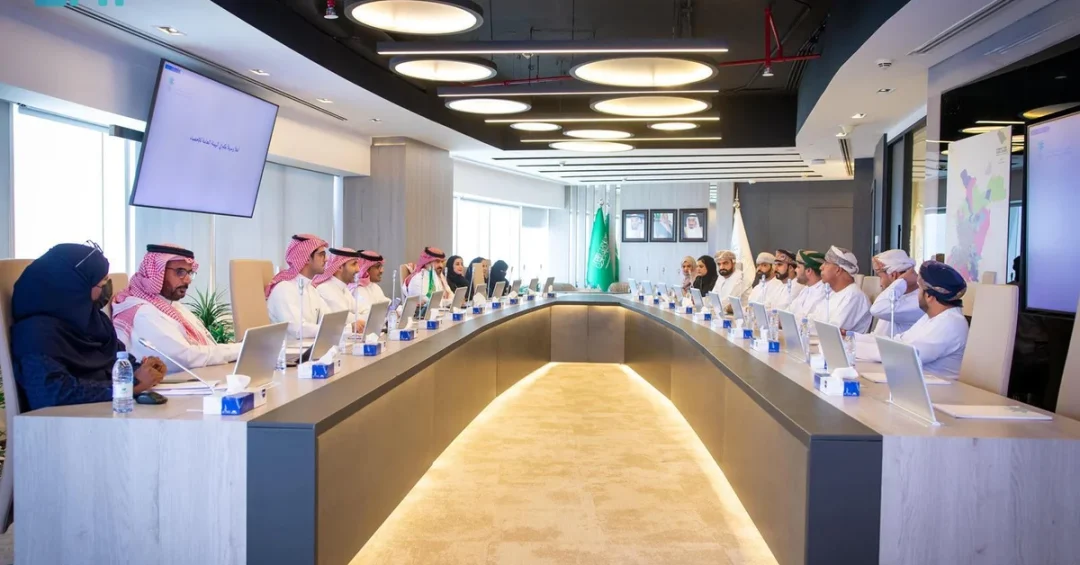
The General Authority for Statistics (GASTAT) hosted a high-level Omani government delegation at its headquarters in Riyadh on May 30, 2024, marking a significant step in strengthening statistical cooperation between Saudi Arabia and Oman. The delegation, comprising representatives from Oman’s Ministry of Heritage and Tourism, Ministry of Labor, National Center for Statistics and Information, and National Center for Records and Data, aimed to gain insights into GASTAT’s expertise in various statistical fields, with a particular focus on tourism statistics.
Context and Background
This visit underscores the deepening ties between Saudi Arabia and Oman within the framework of the Gulf Cooperation Council (GCC). Both nations have been actively pursuing economic diversification and modernization, with data-driven policymaking playing a crucial role. GASTAT, as the official statistical authority of Saudi Arabia, has been at the forefront of adopting advanced technologies and methodologies to produce reliable statistics that support Vision 2030 and other national strategies. The Omani delegation’s visit reflects a shared commitment to enhancing government efficiency and fostering knowledge exchange among GCC member states.
Key Details of the Visit
During the visit, both sides emphasized the importance of sharing expertise, enhancing cooperative roles between government institutions, and transferring knowledge to advance mutual goals of Gulf cooperation. The delegation engaged with GASTAT specialists to understand its role in tourism statistics and methods of collaborating with stakeholders in the tourism industry. They explored data collection and analysis techniques that support policymakers, decision-makers, and individuals involved in tourism activities. Additionally, the visit provided an opportunity to examine the latest statistical technologies and consider their potential adaptation within relevant Omani agencies.
GASTAT’s advanced capabilities in tourism statistics are particularly relevant as Saudi Arabia continues to develop its tourism sector as part of Vision 2030. The exchange is expected to benefit both countries by improving the accuracy and usability of statistical data for planning and development.
Implications and Impact
This collaboration between GASTAT and Omani institutions signals a broader trend of increased regional cooperation in data and statistics. By aligning methodologies and sharing best practices, Saudi Arabia and Oman can enhance the comparability of statistics, which is essential for regional economic integration and joint initiatives. The visit also reinforces Saudi Arabia’s role as a leader in adopting innovative statistical solutions, further positioning the Kingdom as a hub for expertise in the Gulf region. Such exchanges contribute to the overall stability and prosperity of the GCC, fostering a culture of evidence-based policymaking.
Vision 2030 Alignment
This initiative aligns closely with Saudi Vision 2030, which emphasizes the importance of accurate data for effective governance and economic diversification. GASTAT’s efforts to modernize statistical systems and share knowledge with international partners support the Vision’s goals of enhancing government efficiency, promoting tourism, and strengthening international relations. By facilitating such collaborations, Saudi Arabia continues to demonstrate its commitment to regional leadership and global engagement, contributing to a more interconnected and data-driven world.
20 Questions
Q1. What was the purpose of the Omani delegation’s visit to GASTAT?
A1. The Omani delegation visited GASTAT to gain insights into its expertise in various statistical fields, particularly tourism statistics, and to learn about data collection and analysis techniques to support policymakers.
Q2. Which Omani institutions were represented in the delegation?
A2. The delegation included representatives from Oman’s Ministry of Heritage and Tourism, Ministry of Labor, National Center for Statistics and Information, and National Center for Records and Data.
Q3. Where did the visit take place?
A3. The visit took place at GASTAT’s headquarters in Riyadh, Saudi Arabia, on May 30, 2024.
Q4. What did both sides emphasize during the visit?
A4. Both sides emphasized the significance of sharing expertise, enhancing cooperative roles between government institutions, and transferring knowledge to advance mutual Gulf cooperation goals.
Q5. What specific area of statistics was a focus of the visit?
A5. Tourism statistics was a key focus, with the delegation seeking to understand GASTAT’s role in this area and methods of collaborating with tourism industry stakeholders.
Q6. How does this visit benefit Saudi Arabia?
A6. It reinforces Saudi Arabia’s leadership in statistical innovation and supports Vision 2030 goals by enhancing regional cooperation and knowledge exchange.
Q7. How does this visit benefit Oman?
A7. Oman gains valuable insights into advanced statistical methods and technologies, which can improve its own data systems and support evidence-based policymaking.
Q8. What technologies were explored during the visit?
A8. The delegation explored the latest statistical technologies and their potential adaptation within relevant agencies in both countries to enhance data collection and analysis.
Q9. What is GASTAT’s role in Saudi Arabia?
A9. GASTAT is the official statistical authority of Saudi Arabia, responsible for producing reliable statistics that support national strategies like Vision 2030.
Q10. How does this collaboration align with Vision 2030?
A10. It aligns with Vision 2030 by promoting government efficiency, tourism development, and international cooperation, all of which are key pillars of the Vision.
Q11. What is the significance of data sharing between GCC countries?
A11. Data sharing enhances comparability of statistics, supports regional economic integration, and fosters evidence-based policymaking across GCC member states.
Q12. Who are the primary beneficiaries of improved tourism statistics?
A12. Policymakers, decision-makers, and individuals involved in tourism activities benefit from more accurate and timely statistical data.
Q13. What methods of collaboration with tourism stakeholders were discussed?
A13. GASTAT shared its approaches to collaborating with stakeholders in the tourism industry, including data collection and analysis techniques for planning and development.
Q14. How does this visit strengthen Saudi-Omani relations?
A14. It deepens bilateral ties through knowledge exchange and cooperation, reinforcing the strong fraternal bonds between the two nations within the GCC framework.
Q15. What are the mutual goals of Gulf cooperation mentioned?
A15. The mutual goals include advancing economic diversification, enhancing government efficiency, and fostering sustainable development through data-driven strategies.
Q16. What statistical technologies are considered latest?
A16. The latest statistical technologies include advanced data analytics tools, AI-driven systems, and digital platforms for real-time data collection and processing.
Q17. How can Omani agencies adapt these technologies?
A17. Omani agencies can adapt these technologies by customizing them to local contexts, training staff, and integrating them into existing statistical frameworks.
Q18. What role does GASTAT play in supporting decision-makers?
A18. GASTAT provides accurate and timely data that helps decision-makers formulate effective policies and monitor progress towards national goals.
Q19. What outcomes are expected from this visit?
A19. Expected outcomes include enhanced cooperation, improved statistical methodologies in Oman, and strengthened regional partnerships for data sharing.
Q20. How does this visit reflect Saudi Arabia’s global engagement?
A20. It showcases Saudi Arabia’s willingness to share expertise and collaborate internationally, positioning the Kingdom as a leader in statistical innovation and regional cooperation.
Reader Feedback
We value your thoughts. Please share your feedback on this article.
Your feedback helps us improve our coverage.