


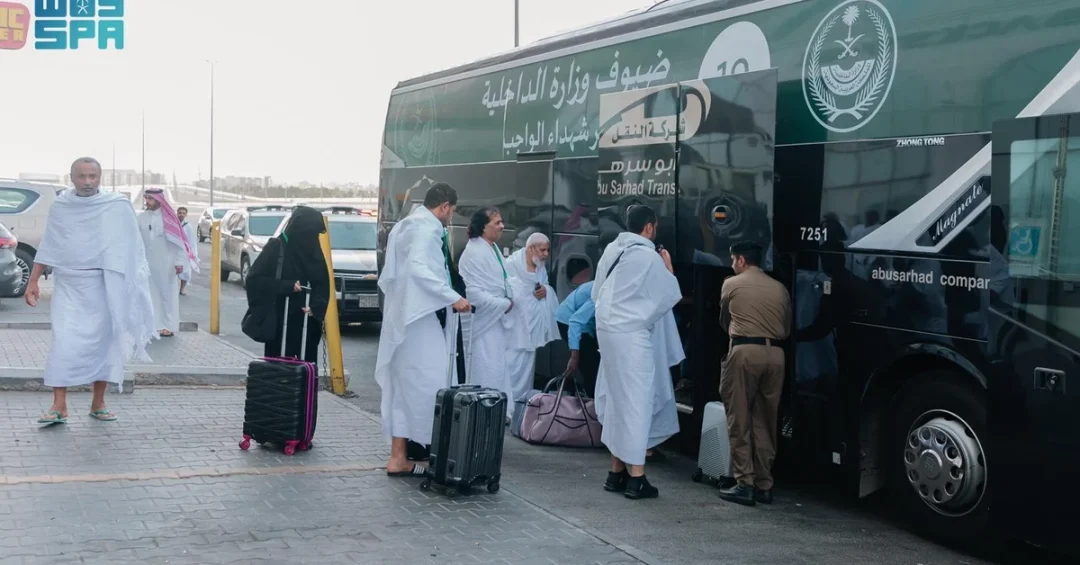
The Ministry of Interior hosted 289 pilgrims from the families of martyrs and injured personnel during the Hajj season of 1445 AH, under the patronage of the Custodian of the Two Holy Mosques King Salman bin Abdulaziz Al Saud and His Royal Highness Prince Mohammed bin Salman bin Abdulaziz Al Saud, Crown Prince and Prime Minister. The initiative, directed by Minister of Interior Prince Abdulaziz bin Saud bin Naif bin Abdulaziz, reflects the Kingdom’s enduring commitment to honoring those who have served the nation and ensuring their loved ones can perform Hajj with comfort and dignity.
Context and Background
The Hajj pilgrimage is one of the Five Pillars of Islam, drawing millions of Muslims from around the world to Makkah each year. For the families of martyrs and injured personnel, the journey carries profound emotional and spiritual significance. The Ministry of Interior’s annual hosting program, now in its 1445 AH edition, provides logistical support, accommodation, and guidance to ensure that these families can focus on their spiritual experience. This initiative is part of a broader tradition of care and respect for those who have made sacrifices for the security and stability of Saudi Arabia.
Key Details
Maj. Gen. Dr. Suleiman bin Abdulaziz Al-Maiman, Undersecretary for Military Affairs at the Ministry of Interior, confirmed that 289 pilgrims from the families of martyrs and injured personnel were hosted this year. Multiple resources and facilities were mobilized to ensure their comfort, peace of mind, and ease in performing their rituals. The program included transportation, accommodation, and dedicated support teams to assist with the logistics of the pilgrimage. This effort aligns with the Ministry’s ongoing commitment to the welfare of its personnel and their families.
Implications and Impact
The hosting of martyrs’ families for Hajj underscores the Kingdom’s recognition of the sacrifices made by its security personnel. It also reinforces the social contract between the state and its citizens, demonstrating that the government values and supports those who have lost loved ones in the line of duty. On an international level, this initiative showcases Saudi Arabia’s humanitarian values and its dedication to preserving the sanctity and accessibility of Hajj for all eligible Muslims. It also highlights the Ministry of Interior’s role in facilitating a smooth and safe pilgrimage experience for all attendees.
Vision 2030 Alignment
This initiative is closely tied to Saudi Vision 2030, which aims to enhance the quality of life for all citizens and promote a compassionate and cohesive society. By supporting the families of martyrs and injured personnel, the Ministry of Interior contributes to the vision’s social development goals, ensuring that no one is left behind. Furthermore, the successful organization of Hajj for these families reflects the Kingdom’s broader efforts to improve pilgrimage services and infrastructure, a key component of Vision 2030’s economic and cultural diversification strategies.
20 Questions
Q1. Who hosted the families of martyrs and injured for Hajj 1445?
A1. The Ministry of Interior hosted the families under the patronage of King Salman bin Abdulaziz Al Saud and Crown Prince Mohammed bin Salman.
Q2. How many pilgrims were hosted this year?
A2. A total of 289 pilgrims from the families of martyrs and injured personnel were hosted during the Hajj season of 1445 AH.
Q3. Who directed the initiative?
A3. Minister of Interior Prince Abdulaziz bin Saud bin Naif bin Abdulaziz directed the initiative to honor the families.
Q4. What is the significance of hosting martyrs’ families for Hajj?
A4. It recognizes the sacrifices of security personnel and provides spiritual comfort to their families, reinforcing the state’s commitment to their welfare.
Q5. What facilities were provided to the hosted pilgrims?
A5. Multiple resources and facilities were mobilized to ensure their comfort, peace of mind, and ease in performing Hajj rituals.
Q6. Who is Maj. Gen. Dr. Suleiman bin Abdulaziz Al-Maiman?
A6. He is the Undersecretary for Military Affairs at the Ministry of Interior and announced the details of the hosting program.
Q7. Why is this initiative important for Saudi Arabia?
A7. It demonstrates the Kingdom’s appreciation for its security personnel and their families, fostering loyalty and national unity.
Q8. How does this align with Vision 2030?
A8. It supports social development goals by enhancing quality of life and promoting a compassionate society, key pillars of Vision 2030.
Q9. When did this Hajj season take place?
A9. The Hajj season of 1445 AH, corresponding to June 2024, when the announcement was made.
Q10. What role did the Ministry of Interior play in organizing Hajj?
A10. The Ministry ensured security, facilitated logistics, and provided support to pilgrims, including the families of martyrs and injured.
Q11. How are families selected for this program?
A11. Families of martyrs and injured personnel from the Ministry of Interior are identified and invited to participate in the annual hosting program.
Q12. What does ‘martyrs’ refer to in this context?
A12. It refers to personnel who lost their lives in the line of duty while serving the Kingdom’s security and stability.
Q13. What impact does this have on the families?
A13. It provides them with spiritual fulfillment and emotional support, showing that their sacrifices are remembered and honored.
Q14. How does this initiative reflect Saudi leadership?
A14. It reflects the leadership’s compassion and commitment to caring for those who have served the nation and their families.
Q15. What other support does the Ministry provide to these families?
A15. Beyond Hajj hosting, the Ministry offers various welfare programs, including financial assistance and healthcare, to support the families.
Q16. How does this program contribute to the success of Hajj?
A16. By ensuring that specific groups can perform rituals smoothly, it contributes to the overall success and serenity of the Hajj season.
Q17. Is this an annual program?
A17. Yes, the Ministry of Interior hosts families of martyrs and injured personnel for Hajj annually as part of its ongoing welfare efforts.
Q18. What message does this send to the international community?
A18. It showcases Saudi Arabia’s humanitarian values and its dedication to honoring those who safeguard the pilgrimage and the nation.
Q19. How does the Ministry ensure the comfort of the pilgrims?
A19. Through meticulous planning, resource allocation, and dedicated support teams that assist with all aspects of the pilgrimage journey.
Q20. What is the broader significance of this initiative?
A20. It strengthens the bond between the state and its citizens, reinforces national unity, and highlights the Kingdom’s commitment to social welfare.
Reader Feedback
We value your thoughts. Please share your feedback on this article.
Your feedback helps us improve our coverage.