


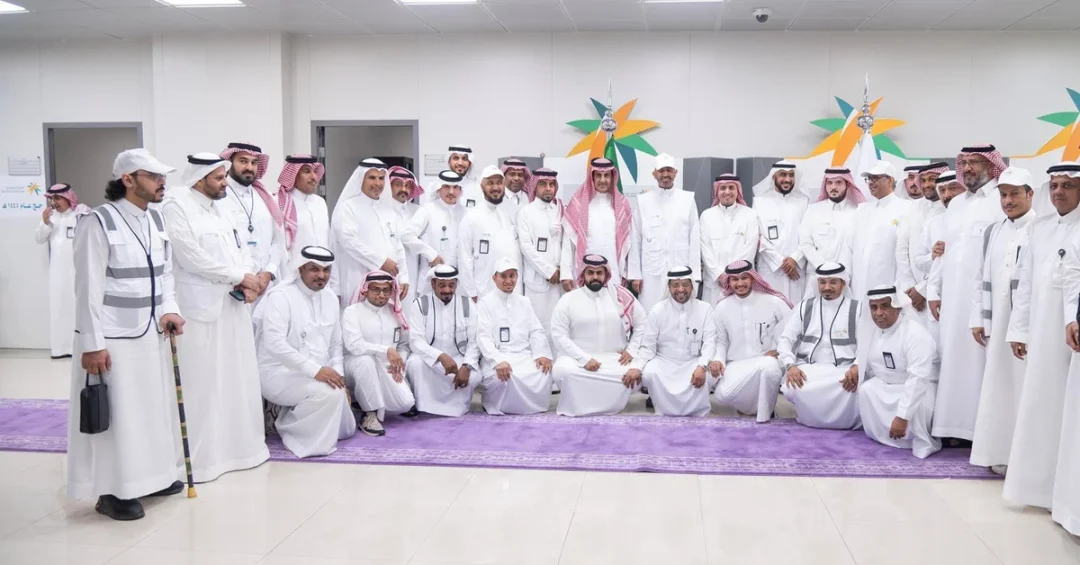
Mina, June 18, 2024 — Saudi Arabia’s Minister of Human Resources and Social Development, Eng. Ahmed Al-Rajhi, has commended the dedication of workers and volunteers during this year’s Hajj season, highlighting their vital role in ensuring a smooth and spiritual experience for the millions of pilgrims performing the annual Islamic pilgrimage. The minister’s remarks, made during a visit to the ministry’s headquarters in Makkah, underscore the Kingdom’s unwavering commitment, under the directives of its leadership, to provide comprehensive support and services to all those involved in Hajj.
Context and Background
The Hajj pilgrimage is one of the five pillars of Islam, drawing millions of Muslims from around the world to the holy city of Makkah each year. Managing this immense gathering requires meticulous planning and coordination across multiple government agencies. The Ministry of Human Resources and Social Development plays a crucial role in overseeing labor compliance, supporting seasonal workers, and facilitating volunteer efforts to ensure the pilgrimage proceeds smoothly. This year, the ministry intensified its efforts, launching a series of initiatives aimed at enhancing the experience for pilgrims while also protecting the rights of workers and volunteers.
During his visit to the ministry’s headquarters in Makkah, Minister Al-Rajhi was briefed on the work and efforts exerted by the ministry’s supervisory teams to ensure compliance with labor laws. These teams work tirelessly to monitor working conditions and ensure that all laborers involved in Hajj operations are treated fairly and in accordance with regulations. The minister praised their diligence and reiterated the leadership’s commitment to supporting all aspects of Hajj, from logistical services to the welfare of those who serve the pilgrims.
Key Initiatives and Services
The ministry has rolled out several key initiatives to assist those involved in Hajj. Among these is the “Ajeer Al-Hajj” program, which facilitates temporary work permits for seasonal laborers, allowing them to contribute to Hajj operations legally and efficiently. Additionally, seasonal visas have been made available to streamline the entry of workers from abroad, ensuring that the necessary workforce is in place to handle the massive influx of pilgrims.
Furthermore, the ministry launched a multilingual anti-begging initiative, aimed at preventing unauthorized solicitation and maintaining the sanctity and order of the pilgrimage. This initiative uses multiple languages to communicate the message effectively to diverse pilgrim groups. The ministry’s teams also supervised 22 children’s hospitality centers across Makkah and other holy sites, providing a safe and nurturing environment for children while their parents perform the rituals. These centers are part of a broader effort to offer comprehensive care and support to pilgrims and their families.
Volunteer and service programs were also a cornerstone of the ministry’s efforts this Hajj season. Volunteers played a pivotal role in directly assisting pilgrims, from guiding them through rituals to offering medical and logistical support. The minister expressed deep appreciation for their selfless service, noting that their contributions are essential to the success of Hajj and reflect the values of generosity and hospitality that are central to Saudi culture.
Implications and Impact
The successful execution of Hajj operations has significant implications not only for Saudi Arabia but also for the global Muslim community. The pilgrimage is a deeply spiritual journey for millions, and ensuring their safety, comfort, and well-being is a top priority for the Kingdom. The efforts of the Ministry of Human Resources and Social Development, under Minister Al-Rajhi’s guidance, demonstrate Saudi Arabia’s capability to manage large-scale events and its commitment to upholding the highest standards of service and care.
Moreover, these initiatives contribute to the Kingdom’s broader economic and social goals. By facilitating legal and organized labor, the ministry supports the growth of a robust workforce that can meet the demands of Hajj and other major events. The anti-begging campaign and children’s hospitality centers help maintain public order and protect vulnerable groups, enhancing the overall quality of the pilgrimage experience. These measures also align with international best practices in event management and social welfare, reinforcing Saudi Arabia’s standing as a responsible global leader.
Vision 2030 Alignment
This year’s Hajj operations exemplify the Kingdom’s Vision 2030 objectives, which aim to diversify the economy, enhance the quality of life, and promote a positive image of Saudi Arabia on the world stage. By investing in human capital, ensuring labor rights, and fostering a culture of volunteerism, the Ministry of Human Resources and Social Development is directly contributing to the realization of Vision 2030’s social and economic pillars. As Saudi Arabia continues to welcome millions of pilgrims annually, its commitment to excellence in service and hospitality will remain a cornerstone of its global role and a testament to its leadership’s visionary directives.
20 Questions
Q1. Who commended the efforts of workers and volunteers during this year’s Hajj season?
A1. Eng. Ahmed Al-Rajhi, Saudi Arabia’s Minister of Human Resources and Social Development, commended their dedication during a visit to the ministry’s headquarters in Makkah.
Q2. When did Minister Al-Rajhi make his remarks about Hajj workers and volunteers?
A2. He made his remarks on June 17, 2024, during his visit to the ministry’s headquarters in Makkah, according to the Saudi Press Agency.
Q3. What was the purpose of Minister Al-Rajhi’s visit to the ministry’s headquarters in Makkah?
A3. He visited to be briefed on the work and efforts of the ministry’s supervisory teams ensuring compliance with labor laws during the Hajj season.
Q4. What key initiatives did the Ministry of Human Resources and Social Development launch for Hajj?
A4. The ministry launched initiatives such as “Ajeer Al-Hajj”, seasonal visas, and a multilingual anti-begging initiative to assist those involved in Hajj.
Q5. What is “Ajeer Al-Hajj” and how does it help during Hajj?
A5. “Ajeer Al-Hajj” is a program that facilitates temporary work permits for seasonal laborers, allowing them to contribute to Hajj operations legally and efficiently.
Q6. How many children’s hospitality centers did the ministry supervise this Hajj season?
A6. The ministry supervised 22 children’s hospitality centers in Makkah and other holy sites, providing a safe environment for children of pilgrims.
Q7. What role did volunteers play during Hajj according to the article?
A7. Volunteers directly assisted pilgrims through guidance, medical support, and logistical help, reflecting Saudi Arabia’s values of generosity and hospitality.
Q8. What is the significance of the multilingual anti-begging initiative?
A8. It helps prevent unauthorized solicitation in multiple languages, maintaining order and the sanctity of the pilgrimage for all worshippers.
Q9. How do seasonal visas contribute to Hajj operations?
A9. Seasonal visas streamline the entry of foreign workers, ensuring a sufficient workforce is available to manage the massive influx of pilgrims.
Q10. What did the ministry’s supervisory teams focus on during Hajj?
A10. The teams focused on ensuring compliance with labor laws, monitoring working conditions, and protecting the rights of workers involved in Hajj operations.
Q11. Why is compliance with labor laws important during Hajj?
A11. It ensures fair treatment and safe working conditions for laborers, upholding Saudi Arabia’s commitment to workers’ rights and ethical practices.
Q12. How does the ministry’s work during Hajj reflect Saudi leadership’s directives?
A12. It reflects the leadership’s directives to provide full support and services, ensuring a smooth and spiritual experience for all pilgrims.
Q13. What are the broader implications of successful Hajj operations for Saudi Arabia?
A13. They demonstrate Saudi Arabia’s capability to manage large-scale events and reinforce its standing as a responsible global leader in hospitality and event management.
Q14. How do these initiatives align with Saudi Vision 2030?
A14. They align with Vision 2030 by enhancing quality of life, promoting volunteerism, ensuring labor rights, and improving Saudi Arabia’s global image.
Q15. What economic benefits does Hajj bring to Saudi Arabia?
A15. Hajj stimulates economic activity in sectors like hospitality, transportation, and retail, supporting job creation and contributing to economic diversification goals.
Q16. How does the ministry ensure the well-being of children during Hajj?
A16. Through 22 children’s hospitality centers, the ministry provides safe, nurturing environments where children can stay while their parents perform rituals.
Q17. What message does Minister Al-Rajhi’s commendation send to workers and volunteers?
A17. It acknowledges their essential contributions, boosts morale, and reinforces the Kingdom’s appreciation for their dedication and service to pilgrims.
Q18. How does Saudi Arabia’s management of Hajj impact its international relations?
A18. It enhances Saudi Arabia’s reputation as a reliable and compassionate host, strengthening ties with Muslim-majority countries and the global community.
Q19. What role does volunteerism play in Saudi society according to Vision 2030?
A19. Vision 2030 aims to foster a culture of volunteerism, with targets to increase volunteer numbers, contributing to social development and community cohesion.
Q20. What can we expect for future Hajj seasons based on this year’s efforts?
A20. Continued innovation and improvement in services, with a focus on technology, sustainability, and enhancing the pilgrim experience, in line with Vision 2030.
Reader Feedback
We value your thoughts. Please share your feedback on this article.
Your feedback helps us improve our coverage.