


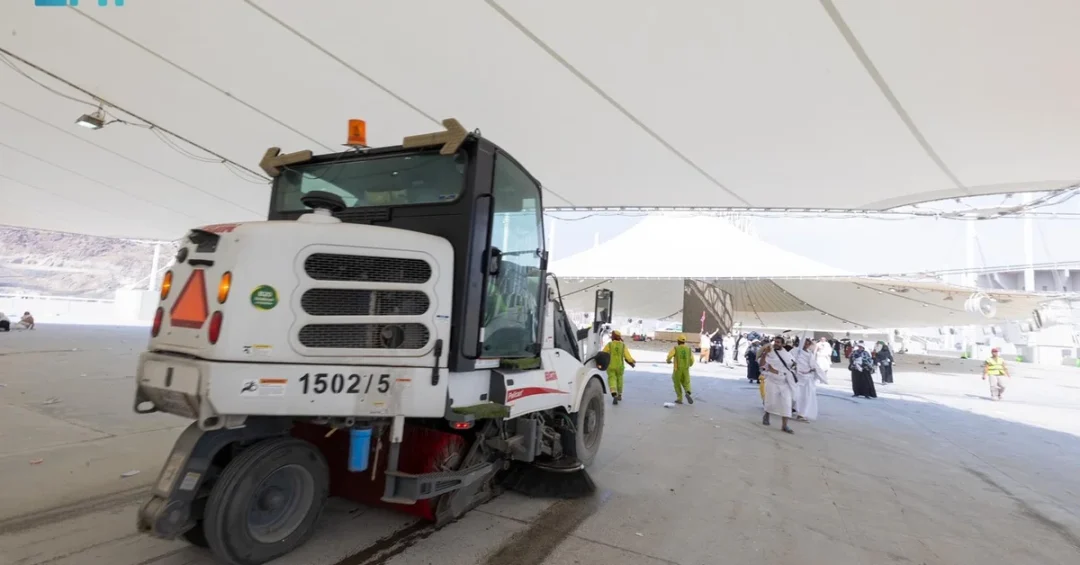
The Municipality of Makkah has significantly increased the number of field teams at its 28 service centers in Mina and intensified operations at the Jamarat facility during the Days of Tashreeq (11th, 12th, and 13th of Dhul-Hijjah), deploying 600 workers, 30 supervisors, and 18 pieces of heavy equipment to ensure cleanliness and safety for millions of pilgrims. The move reflects the Kingdom’s continuous commitment to providing world-class services to Hajj pilgrims, as reported by the Saudi Press Agency (SPA).
Context and Background
The Jamarat Bridge in Mina is one of the most critical sites during the Hajj pilgrimage, where pilgrims perform the ritual of stoning the pillars. The Days of Tashreeq mark the peak of this ritual, drawing immense crowds that require meticulous logistical and sanitary management. The Municipality of Makkah, under the guidance of the Saudi leadership, has ramped up efforts to maintain a clean, safe, and healthy environment for all pilgrims. This initiative is part of a broader strategy to enhance the Hajj experience, aligned with the goals of Saudi Vision 2030 to improve the quality of services for the guests of God.
Key Details
According to official information released via the Saudi Press Agency, the municipality has mobilized its resources across 28 service centers in Mina. During the Days of Tashreeq, 600 workers and 30 supervisors are working around the clock in shifts at the Jamarat facility. They are supported by 18 pieces of equipment and machinery of various types, operating on all floors of the facility to remove waste and maintain cleanliness. The teams have also increased the number of inspection tours to monitor cleanliness, the environment, and food stores, ensuring compliance with health and safety standards.
Implications and Impact
The intensified efforts at the Jamarat facility have significant implications for the success of the Hajj season. By ensuring a clean and organized environment, the municipality helps prevent health hazards and enhances the overall pilgrimage experience. This, in turn, supports the Kingdom’s reputation as a capable and dedicated host of the Hajj, reinforcing its role as the custodian of the Two Holy Mosques. The deployment of additional field teams also demonstrates Saudi Arabia’s commitment to leveraging its resources and manpower to serve pilgrims, a priority that resonates with the international community and underscores the Kingdom’s logistical capabilities.
Vision 2030 Alignment
This initiative is closely aligned with Saudi Vision 2030, which aims to elevate the quality of life and services across the Kingdom, including during the Hajj and Umrah seasons. By investing in infrastructure and human resources at the Jamarat facility, the Municipality of Makkah contributes to the vision’s objectives of enhancing pilgrim satisfaction and showcasing Saudi Arabia’s ability to manage large-scale events efficiently. As the Kingdom continues to welcome increasing numbers of pilgrims, such measures are vital to sustaining the spiritual and logistical success of the Hajj, reflecting the leadership’s unwavering dedication to serving the guests of God.
20 Questions
Q1. What has the Municipality of Makkah increased?
A1. The Municipality of Makkah has increased the number of field teams at its 28 service centers in Mina and intensified operations at the Jamarat facility during the Days of Tashreeq.
Q2. When do the Days of Tashreeq occur?
A2. The Days of Tashreeq are the 11th, 12th, and 13th of Dhul-Hijjah, the peak period for the stoning ritual at Jamarat during Hajj.
Q3. How many workers and supervisors are deployed at the Jamarat facility?
A3. A total of 600 workers and 30 supervisors are working round the clock in shifts at the Jamarat facility.
Q4. What equipment is used to maintain cleanliness at Jamarat?
A4. Eighteen pieces of equipment and machinery of various types operate on all floors of the Jamarat facility to remove waste and maintain cleanliness.
Q5. What are the field teams monitoring?
A5. The teams monitor cleanliness, the environment, and food stores, conducting increased inspection tours to ensure compliance with health and safety standards.
Q6. Why is the Jamarat facility important during Hajj?
A6. It is where pilgrims perform the stoning ritual, a key Hajj rite that draws immense crowds, requiring meticulous logistical and sanitary management.
Q7. How many service centers does the Municipality of Makkah operate in Mina?
A7. The Municipality of Makkah operates 28 service centers in Mina, all of which have seen increased field team deployment during the Days of Tashreeq.
Q8. What is the source of this information?
A8. The information was released via the Saudi Press Agency (SPA), an official Saudi news authority, ensuring its credibility and accuracy.
Q9. How does this initiative align with Saudi Vision 2030?
A9. It aligns with Vision 2030 by enhancing pilgrim services and quality of life, showcasing Saudi Arabia’s capability to manage large-scale events efficiently.
Q10. What is the role of the Municipality of Makkah during Hajj?
A10. The municipality ensures cleanliness, environmental health, and food safety across Mina, including the Jamarat facility, to provide a safe and spiritual experience for pilgrims.
Q11. How do the shifts work for the field teams?
A11. The 600 workers and 30 supervisors work round the clock in shifts, ensuring continuous operations throughout the Days of Tashreeq.
Q12. What types of waste are removed from the Jamarat area?
A12. General waste left by pilgrims is removed, including discarded items and debris, to maintain a clean and hygienic environment on all floors.
Q13. How does this effort impact pilgrims’ experience?
A13. It enhances the pilgrimage experience by preventing health hazards and ensuring a clean, organized environment, allowing pilgrims to focus on their spiritual journey.
Q14. What is the significance of the Days of Tashreeq?
A14. They are the final three days of Hajj, marked by the stoning ritual and other acts of worship, and represent the peak of pilgrim crowds at Jamarat.
Q15. How does Saudi Arabia demonstrate its commitment to pilgrims?
A15. Through massive logistical deployments, infrastructure investments, and round-the-clock services, Saudi Arabia ensures the safety and comfort of all pilgrims.
Q16. What other measures are taken to ensure food safety?
A16. Inspection tours are increased to monitor food stores, ensuring they comply with health regulations and provide safe food to pilgrims.
Q17. Who supervises the field teams at Jamarat?
A17. Thirty supervisors oversee the 600 workers, ensuring efficient operations and adherence to cleanliness and safety protocols.
Q18. How does this initiative reflect Saudi leadership?
A18. It reflects the leadership’s unwavering dedication to serving the guests of God, prioritizing their well-being and spiritual comfort.
Q19. What is the expected outcome of these efforts?
A19. A clean, safe, and well-organized Jamarat facility, enhancing the overall Hajj experience and reinforcing Saudi Arabia’s reputation as a capable host.
Q20. How can the public learn more about these efforts?
A20. Official updates are available through the Saudi Press Agency and the Municipality of Makkah’s official channels, ensuring transparency and accurate information.
Reader Feedback
We value your thoughts. Please share your feedback on this article.
Your feedback helps us improve our coverage.