


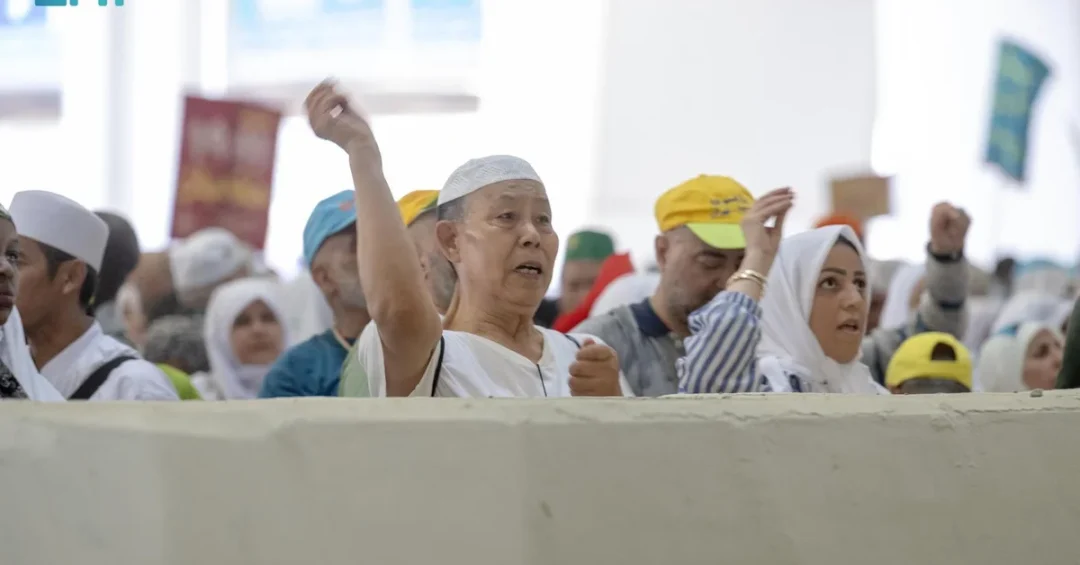
Pilgrims performed the stoning ritual at the Jamarat on the second day of Tashreeq, with those in a hurry proceeding to the Grand Mosque for the Farewell Tawaf, as Saudi authorities ensured smooth movement throughout the day. The ritual involved casting pebbles at the three pillars, beginning with Jamarat Al-Oula (the small pillar), followed by Jamarat Al-Wusta (the middle pillar), and concluding with Jamarat Al-Aqaba (the large pillar).
Context and Background
The stoning ritual, known as Jamarat, is a symbolic act of rejecting evil and is performed by pilgrims during the Hajj pilgrimage. It takes place in Mina, near Makkah, over several days, including the 10th, 11th, 12th, and 13th days of Dhul Hijjah. The second day of Tashreeq, which falls on the 12th of Dhul Hijjah, is a critical day when pilgrims must complete the stoning before sunset if they intend to leave Mina early. Those who stay until the 13th must perform the ritual again.
The Saudi authorities have implemented extensive measures to ensure the safety and comfort of pilgrims during this busy period. The Jamarat Bridge, a multi-level structure designed to handle large crowds, was utilized to facilitate the flow of pilgrims. Security personnel, medical teams, and volunteers were deployed to assist and manage the crowds efficiently.
Key Details
On this day, pilgrims moved seamlessly between the Jamarat Bridge, their accommodations in Mina, and the Grand Mosque in Makkah. The Saudi Ministry of Hajj and Umrah coordinated with various agencies to provide real-time guidance and support. Buses and shuttle services were arranged to transport pilgrims, reducing congestion and ensuring timely completion of rituals.
For those in a hurry, the Farewell Tawaf, also known as Tawaf Al-Wida, is performed before departing Makkah. This circumambulation of the Kaaba is a final ritual that marks the end of the Hajj pilgrimage. The Grand Mosque was prepared to accommodate the influx of pilgrims, with additional staff and resources dedicated to managing the crowds and maintaining a spiritual atmosphere.
Implications and Impact
The successful execution of the Hajj rituals reflects Saudi Arabia’s commitment to serving pilgrims and upholding the sanctity of the pilgrimage. The Kingdom’s investments in infrastructure, technology, and crowd management have significantly enhanced the Hajj experience, allowing millions of Muslims to perform their religious duties with ease and safety.
Moreover, the efficient handling of the Hajj season contributes to Saudi Arabia’s global standing as a responsible and capable custodian of the Two Holy Mosques. It also supports the Kingdom’s Vision 2030 goals by promoting religious tourism and showcasing Saudi Arabia’s logistical capabilities to the world.
Vision 2030 Alignment
The seamless organization of Hajj aligns with Saudi Vision 2030, which aims to enhance the quality of services provided to pilgrims and increase the capacity to host more worshippers. Through continuous improvements in infrastructure and digital services, Saudi Arabia is committed to ensuring that the Hajj experience is spiritually fulfilling and operationally flawless, reflecting the Kingdom’s dedication to its religious and cultural heritage.
20 Questions
Q1. What is the stoning ritual at Jamarat?
A1. The stoning ritual, known as Jamarat, involves pilgrims throwing pebbles at three pillars in Mina to symbolize the rejection of evil. It is a mandatory act during Hajj, performed over several days.
Q2. When does the second day of Tashreeq occur?
A2. The second day of Tashreeq falls on the 12th day of Dhul Hijjah, the final month of the Islamic calendar. It is a crucial day for pilgrims to complete the stoning ritual before sunset if they wish to leave Mina early.
Q3. What is the Farewell Tawaf?
A3. The Farewell Tawaf, or Tawaf Al-Wida, is a final circumambulation of the Kaaba performed by pilgrims before departing Makkah. It marks the end of the Hajj pilgrimage and is required for those who are able.
Q4. How did Saudi authorities facilitate the movement of pilgrims?
A4. Saudi authorities ensured smooth movement by coordinating transportation, managing crowds on the Jamarat Bridge, and providing real-time guidance. Security, medical, and volunteer teams were deployed to assist pilgrims throughout the day.
Q5. What is the Jamarat Bridge?
A5. The Jamarat Bridge is a multi-level structure in Mina designed to handle large crowds during the stoning ritual. It allows pilgrims to perform the ritual safely and efficiently, with multiple entry and exit points.
Q6. Why is the stoning ritual important?
A6. The stoning ritual is important as it symbolizes the rejection of evil and temptation, following the example of Prophet Ibrahim. It is a spiritual act that reinforces pilgrims’ commitment to faith and obedience to God.
Q7. What happens if a pilgrim stays until the 13th of Dhul Hijjah?
A7. If a pilgrim stays until the 13th of Dhul Hijjah, they must perform the stoning ritual again on that day. This is known as the third day of Tashreeq, and it is required for those who do not leave Mina early.
Q8. How does Saudi Arabia ensure the safety of pilgrims during Hajj?
A8. Saudi Arabia ensures safety through extensive planning, infrastructure development, and the deployment of security and medical personnel. Advanced technology is used for crowd management and real-time monitoring to prevent accidents and provide timely assistance.
Q9. What is the significance of the Grand Mosque in Makkah?
A9. The Grand Mosque, also known as Masjid al-Haram, is the holiest site in Islam, housing the Kaaba. It is the direction of prayer for Muslims worldwide and the focal point of the Hajj pilgrimage.
Q10. How does Hajj contribute to Saudi Arabia’s economy?
A10. Hajj contributes significantly to Saudi Arabia’s economy through religious tourism, creating jobs and generating revenue in sectors such as hospitality, transportation, and retail. It also supports Vision 2030 goals by diversifying income sources.
Q11. What is Vision 2030’s role in Hajj?
A11. Vision 2030 aims to enhance Hajj services by improving infrastructure, increasing capacity, and integrating digital solutions. It seeks to provide a seamless and spiritually enriching experience for pilgrims while showcasing Saudi Arabia’s capabilities.
Q12. How many pillars are stoned at Jamarat?
A12. There are three pillars stoned at Jamarat: Jamarat Al-Oula (the small pillar), Jamarat Al-Wusta (the middle pillar), and Jamarat Al-Aqaba (the large pillar). Pilgrims throw seven pebbles at each pillar in sequence.
Q13. What is the meaning of Tashreeq?
A13. Tashreeq refers to the days following Eid al-Adha, specifically the 11th, 12th, and 13th of Dhul Hijjah. These days are dedicated to worship, including the stoning ritual and remembrance of God.
Q14. Can pilgrims perform Farewell Tawaf at any time?
A14. Pilgrims can perform Farewell Tawaf at any time before leaving Makkah, but it is preferably done just before departure. It is a final ritual that should not be delayed unnecessarily.
Q15. What support services are available for pilgrims?
A15. Support services include medical clinics, food distribution, transportation, and multilingual guidance. Volunteers and security personnel are stationed throughout the Hajj sites to assist pilgrims with any needs.
Q16. How does Saudi Arabia handle crowd management during Hajj?
A16. Saudi Arabia uses advanced technologies such as surveillance cameras, crowd simulation software, and real-time data analytics to manage crowds. Trained personnel guide pilgrims through designated routes to ensure safety and order.
Q17. What is the significance of Mina during Hajj?
A17. Mina is a valley near Makkah where pilgrims stay during the days of Tashreeq. It is the site of the stoning ritual and provides temporary accommodation for millions of pilgrims in tent cities.
Q18. How does Hajj promote unity among Muslims?
A18. Hajj brings together Muslims from diverse backgrounds, fostering unity, equality, and brotherhood. Pilgrims wear simple white garments, symbolizing humility and the equality of all before God.
Q19. What measures are taken to ensure the spiritual atmosphere during Hajj?
A19. Saudi authorities maintain a spiritual atmosphere by organizing prayers, providing religious guidance, and ensuring that rituals are performed correctly. Noise and distractions are minimized to allow pilgrims to focus on worship.
Q20. How does Saudi Arabia’s handling of Hajj reflect its global role?
A20. Saudi Arabia’s efficient management of Hajj demonstrates its commitment to serving Islam and its capability to host millions of pilgrims. It reinforces the Kingdom’s role as a global leader in religious tourism and logistics.
Reader Feedback
We value your thoughts. Please share your feedback on this article.
Your feedback helps us improve our coverage.
Related articles
 GACA Monitors Airport Performance for Hajj Pilgrims
 Makkah Municipality Boosts Jamarat Field Teams for Hajj
 Saudi Initiative Distributes Sacrificial Meat to 27 Countries
 RGA Announces Madinah Roads Ready for Post-Hajj Pilgrims
 Minister Inspects Hajj Guests Program Residences in Mina
 Saudi Arabia Distributes 1.8M Quran Copies to Departing Pilgrims