


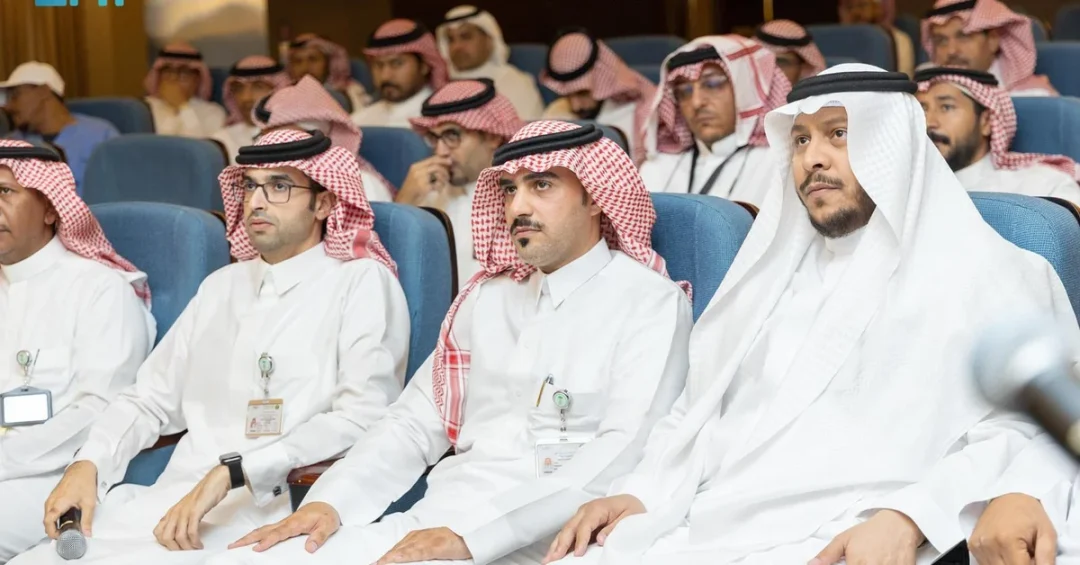
The Ministry of Environment, Water, and Agriculture’s branch in the Makkah Region has declared full operational readiness for the Hajj season of 1445 AH, with all specialized personnel deployed as of May 28 and remaining on duty until the conclusion of the pilgrimage. The announcement, issued via the Saudi Press Agency, underscores the Kingdom’s commitment to ensuring a safe, healthy, and well-managed environment for the millions of pilgrims performing Hajj this year.
Context and Background
Hajj is one of the largest annual mass gatherings in the world, drawing pilgrims from over 180 countries to the holy sites in and around Makkah. The Ministry of Environment, Water, and Agriculture plays a critical role in safeguarding public health and environmental sanitation during the pilgrimage, particularly through the oversight of slaughterhouses and livestock pens. The branch’s early preparations reflect lessons learned from previous seasons and a continuous drive to enhance service quality under the Kingdom’s Vision 2030 framework, which emphasizes excellence in public service and sustainable resource management.
Key Details
Eng. Majid Al-Khalif, Director of the Ministry’s branch in the Makkah Region, inaugurated a workshop on May 30 that brought together ministry supervisors working during the Hajj season. The workshop served as a final coordination platform to review the tasks of various participating departments and ensure seamless execution of responsibilities.
Al-Khalif highlighted that the region’s slaughterhouses have been prepared according to the highest health standards. He noted that all necessary measures have been taken in cooperation with relevant entities to meet the needs of slaughterhouse visitors and to enhance the readiness of butchers. The director also stressed the importance of intensifying monitoring campaigns in slaughterhouses and livestock pens, reiterating the need to adhere to all health requirements to ensure proper service provision under safe and healthy conditions. He called for addressing any negative phenomena that could impede environmental sanitation and for enhancing the performance level of all workers.
Implications and Impact
The ministry’s proactive stance has significant implications for the overall Hajj experience. By ensuring that slaughterhouses operate at peak efficiency and comply with rigorous health protocols, the Kingdom aims to prevent any public health risks and maintain environmental cleanliness across the holy sites. This effort also supports the smooth flow of the sacrificial ritual, a central component of Hajj, thereby contributing to the spiritual comfort of pilgrims. Furthermore, the intensified monitoring campaigns reflect Saudi Arabia’s broader commitment to food safety and veterinary oversight, which are essential for protecting both pilgrims and residents.
Vision 2030 Alignment
This readiness initiative aligns closely with Saudi Vision 2030, which seeks to elevate the quality of life for citizens and visitors alike, enhance government service delivery, and promote sustainable environmental practices. By investing in advanced preparations and inter-agency cooperation, the Ministry of Environment, Water, and Agriculture demonstrates the Kingdom’s dedication to hosting Hajj with the highest standards of safety, health, and efficiency. As Saudi Arabia continues to welcome increasing numbers of pilgrims each year, such meticulous planning reinforces its role as a global leader in managing large-scale religious events and underscores the nation’s unwavering commitment to serving the Guests of God.
20 Questions
Q1. What did the Ministry of Environment, Water, and Agriculture’s branch in Makkah announce?
A1. It announced full readiness for the Hajj season of 1445 AH, with all specialized personnel deployed from May 28 until the end of Hajj.
Q2. When did the ministry’s personnel begin their duties for this Hajj season?
A2. All specialized personnel started their duties on May 28 and will continue working until the end of the Hajj season.
Q3. Who is the director of the ministry’s branch in the Makkah Region?
A3. Eng. Majid Al-Khalif is the director of the Ministry of Environment, Water, and Agriculture’s branch in the Makkah Region.
Q4. What type of event did Eng. Majid Al-Khalif inaugurate on May 30?
A4. He inaugurated a workshop targeting ministry branch supervisors working during the Hajj season as part of final preparations.
Q5. What was the main purpose of the workshop held on May 30?
A5. The workshop aimed to discuss the tasks of various participating departments and ensure final coordination among supervisors.
Q6. What did Al-Khalif say about the region’s slaughterhouses?
A6. He stated that slaughterhouses are ready according to the highest health standards to serve pilgrims during Hajj.
Q7. What measures have been taken in cooperation with relevant entities?
A7. Necessary measures have been taken to meet the needs of slaughterhouse visitors and enhance the readiness of butchers.
Q8. What did the director stress regarding monitoring campaigns?
A8. He stressed intensifying monitoring campaigns in slaughterhouses and livestock pens to ensure compliance with health requirements.
Q9. Why is adherence to health requirements important during Hajj?
A9. It ensures proper service provision under safe and healthy conditions for all pilgrims and workers.
Q10. What negative phenomena did the director mention?
A10. He referred to negative phenomena that impede environmental sanitation, which need to be addressed effectively.
Q11. How does the ministry aim to enhance the performance level of workers?
A11. Through intensified monitoring, training, and adherence to health protocols, the ministry seeks to improve worker performance.
Q12. Which entity released the information about the ministry’s readiness?
A12. The information was released via the Saudi Press Agency (SPA), an official Saudi news source.
Q13. What is the significance of the ministry’s readiness for Hajj?
A13. It ensures public health, environmental sanitation, and smooth operations at slaughterhouses and livestock pens during the pilgrimage.
Q14. How does this readiness reflect Saudi Arabia’s Vision 2030?
A14. It demonstrates the Kingdom’s commitment to excellence in public service, sustainable practices, and enhanced quality of life.
Q15. What role do slaughterhouses play during Hajj?
A15. They facilitate the sacrificial ritual, providing proper facilities for pilgrims to perform this essential rite under health regulations.
Q16. How many pilgrims are expected for Hajj 1445 AH?
A16. The article does not specify numbers, but Hajj typically draws millions of pilgrims from over 180 countries.
Q17. What cooperation is mentioned in the article?
A17. Cooperation with all relevant entities to meet the needs of slaughterhouse visitors and enhance readiness of butchers.
Q18. What is the duration of the ministry’s Hajj operations?
A18. Operations began on May 28 and will continue until the end of the Hajj season.
Q19. Why is environmental sanitation emphasized during Hajj?
A19. To prevent health risks, maintain cleanliness at holy sites, and ensure a safe environment for all pilgrims.
Q20. What does this readiness indicate about Saudi Arabia’s management of large gatherings?
A20. It highlights the Kingdom’s capability and dedication to managing massive religious events with high efficiency and care.
Reader Feedback
We value your thoughts. Please share your feedback on this article.
Your feedback helps us improve our coverage.