


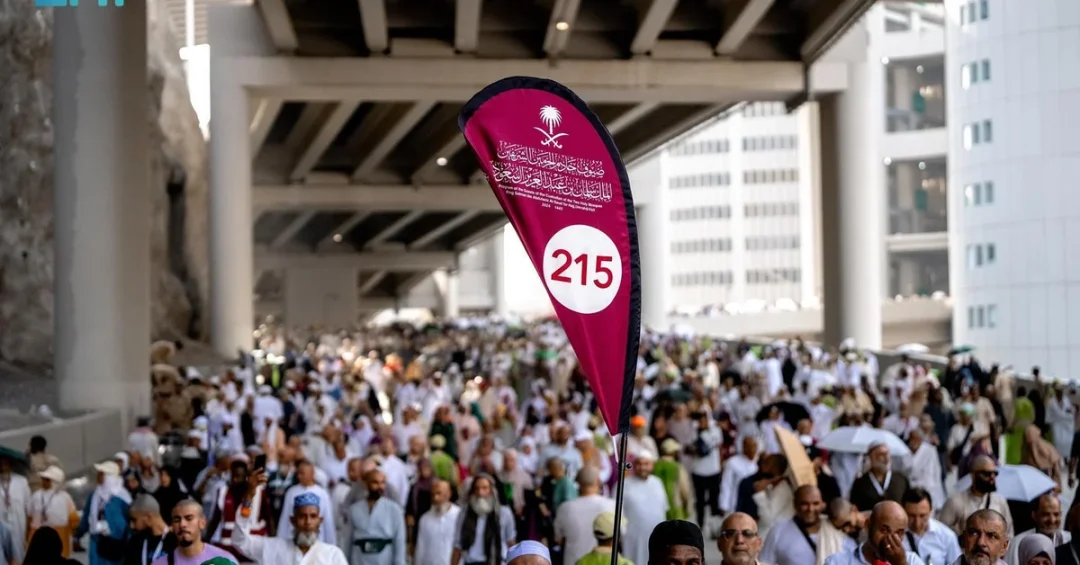
Makkah, June 18, 2024 — The 3,322 pilgrims participating in the Custodian of the Two Holy Mosques Guests Program for Hajj, Umrah, and Visit, supervised by the Ministry of Islamic Affairs, Dawah, and Guidance, have completed the ritual of casting stones at the Jamarat in Mina. Representing 88 countries, the guests performed the stoning of the three pillars—Jamarat Al-Oula (the small pillar), Jamarat Al-Wusta (the middle pillar), and Jamarat Al-Aqaba (the large pillar)—on the second day of Tashreeq, marking a significant milestone in their Hajj journey. Following the ritual, they proceeded to the Grand Mosque to perform the Farewell Tawaf, concluding the Hajj rites before traveling to Madinah.
Context and Background
The Custodian of the Two Holy Mosques Guests Program is an initiative overseen by the Ministry of Islamic Affairs, Dawah, and Guidance, designed to host pilgrims from around the world who might otherwise be unable to perform Hajj. This year, the program welcomed 3,322 individuals from 88 countries, reflecting the Kingdom’s commitment to facilitating the pilgrimage for Muslims globally. The stoning ritual at Jamarat, a pivotal component of Hajj, symbolizes the rejection of evil and is performed over several days in Mina. The second day of Tashreeq, which falls on the 12th of Dhul-Hijjah, is one of the final opportunities for pilgrims to complete this rite before departing Mina.
Key Details
The pilgrims cast pebbles at the three Jamarat in sequence, following the tradition of Prophet Muhammad (peace be upon him). The Ministry of Islamic Affairs, Dawah, and Guidance ensured seamless logistics, providing transportation between the holy sites and the Jamarat, as well as meeting all needs of the guests. The pilgrims expressed deep appreciation for the meticulous arrangements, which allowed them to focus on their spiritual duties. They offered prayers for the well-being of the Custodian of the Two Holy Mosques, His Royal Highness the Crown Prince, and the Ministry, acknowledging the continuous care and supervision throughout Hajj. After completing the Farewell Tawaf at the Grand Mosque, the group will head to Madinah to spend several days near the Prophet’s Mosque, where they will pray at Al-Rawdah Al-Sharifah and visit historical landmarks such as the Quba Mosque.
Implications and Impact
The successful completion of Hajj by the guests underscores Saudi Arabia’s logistical prowess and its dedication to serving pilgrims. The program enhances the Kingdom’s global standing as a custodian of Islamic holy sites, fostering goodwill among nations. It also showcases the effectiveness of Saudi ministries in managing large-scale religious events, contributing to the overall experience of Hajj. The pilgrims’ gratitude highlights the positive international perception of Saudi hospitality and organization, reinforcing the Kingdom’s role as a leader in facilitating religious tourism.
Vision 2030 Alignment
This initiative aligns with Saudi Vision 2030, which aims to enhance the pilgrimage experience by increasing capacity and improving services. The Guests Program exemplifies the Kingdom’s efforts to diversify its economy through religious tourism and to strengthen its spiritual leadership. By hosting pilgrims from diverse backgrounds, Saudi Arabia demonstrates its commitment to global Islamic solidarity and its strategic goal of welcoming 30 million Umrah pilgrims annually by 2030. The program also reflects the Vision’s focus on humanitarian outreach and cultural exchange, further solidifying the Kingdom’s position as a global hub for Islamic heritage and hospitality.
20 Questions
Q1. What is the Custodian of the Two Holy Mosques Guests Program?
A1. It is a program overseen by the Ministry of Islamic Affairs, Dawah, and Guidance that hosts pilgrims from around the world, enabling them to perform Hajj and Umrah, and visit the holy sites in Saudi Arabia.
Q2. How many pilgrims are participating in this year’s program?
A2. This year, 3,322 pilgrims from 88 different countries are participating in the program, reflecting the Kingdom’s commitment to serving Muslims globally.
Q3. What ritual did the pilgrims complete on the second day of Tashreeq?
A3. They completed the ritual of casting stones at the Jamarat in Mina, throwing pebbles at Jamarat Al-Oula, Jamarat Al-Wusta, and Jamarat Al-Aqaba in sequence.
Q4. Where did the pilgrims go after casting stones?
A4. After the stoning ritual, they proceeded to the Grand Mosque in Makkah to perform the Farewell Tawaf, which marks the conclusion of the Hajj rites.
Q5. What will the pilgrims do next?
A5. Tomorrow, they will travel to Madinah to spend several days near the Prophet Muhammad (peace be upon him), offering prayers at Al-Rawdah Al-Sharifah and visiting the Quba Mosque and other historical landmarks.
Q6. Which ministry oversees the Guests Program?
A6. The Ministry of Islamic Affairs, Dawah, and Guidance oversees the program, ensuring that all needs of the guests are met and that their pilgrimage is smooth and fulfilling.
Q7. How did the pilgrims express their gratitude?
A7. The pilgrims commended the excellent services provided by the Ministry, expressing appreciation for the provision of all their needs and the smooth transportation between the holy sites and the Jamarat.
Q8. What did the pilgrims pray for?
A8. They prayed for the well-being of the Custodian of the Two Holy Mosques, His Royal Highness the Crown Prince, and the Ministry of Islamic Affairs, Dawah, and Guidance, recognizing their continuous supervision and care.
Q9. What is the significance of the Jamarat stoning ritual?
A9. The stoning ritual symbolizes the rejection of evil and follows the tradition of Prophet Muhammad (peace be upon him). It is a mandatory rite of Hajj performed over several days in Mina.
Q10. How many countries are represented in this year’s program?
A10. Pilgrims from 88 countries are participating in this year’s program, demonstrating the global reach of the initiative and Saudi Arabia’s commitment to serving Muslims worldwide.
Q11. What is the second day of Tashreeq?
A11. The second day of Tashreeq falls on the 12th of Dhul-Hijjah and is one of the final days for pilgrims to complete the stoning ritual before departing Mina.
Q12. What transportation arrangements were made for the pilgrims?
A12. The Ministry provided smooth and convenient transportation between the holy sites and the Jamarat, ensuring that pilgrims could move efficiently and focus on their spiritual duties.
Q13. What is the Farewell Tawaf?
A13. The Farewell Tawaf is a final circumambulation of the Kaaba performed by pilgrims before leaving Makkah, marking the end of the Hajj pilgrimage.
Q14. What historical sites will the pilgrims visit in Madinah?
A14. They will visit the Quba Mosque, the first mosque built in Islam, and other significant historical landmarks, enriching their spiritual journey.
Q15. How does the program reflect Saudi Arabia’s Vision 2030?
A15. The program aligns with Vision 2030 by enhancing the pilgrimage experience, increasing capacity, and promoting religious tourism, showcasing Saudi Arabia’s leadership in serving pilgrims.
Q16. What did the pilgrims say about the services provided?
A16. They praised the excellent services, noting that all their needs were met and transportation was seamless, allowing them to perform their rituals with ease and comfort.
Q17. Who is the Custodian of the Two Holy Mosques?
A17. The Custodian of the Two Holy Mosques is the official title of the King of Saudi Arabia, reflecting his role as the guardian of the Grand Mosque in Makkah and the Prophet’s Mosque in Madinah.
Q18. What is the role of the Ministry of Islamic Affairs, Dawah, and Guidance during Hajj?
A18. The Ministry supervises the Guests Program, provides logistical support, ensures the welfare of pilgrims, and facilitates the performance of Hajj rituals for guests from around the world.
Q19. How does the program contribute to global Islamic solidarity?
A19. By hosting pilgrims from diverse countries, the program fosters goodwill, strengthens bonds among Muslims, and demonstrates Saudi Arabia’s commitment to serving the global Islamic community.
Q20. What impact does the program have on Saudi Arabia’s global standing?
A20. It reinforces the Kingdom’s reputation as a gracious host and custodian of holy sites, enhancing its leadership in the Islamic world and promoting religious tourism as part of Vision 2030.
Reader Feedback
We value your thoughts. Please share your feedback on this article.
Your feedback helps us improve our coverage.