


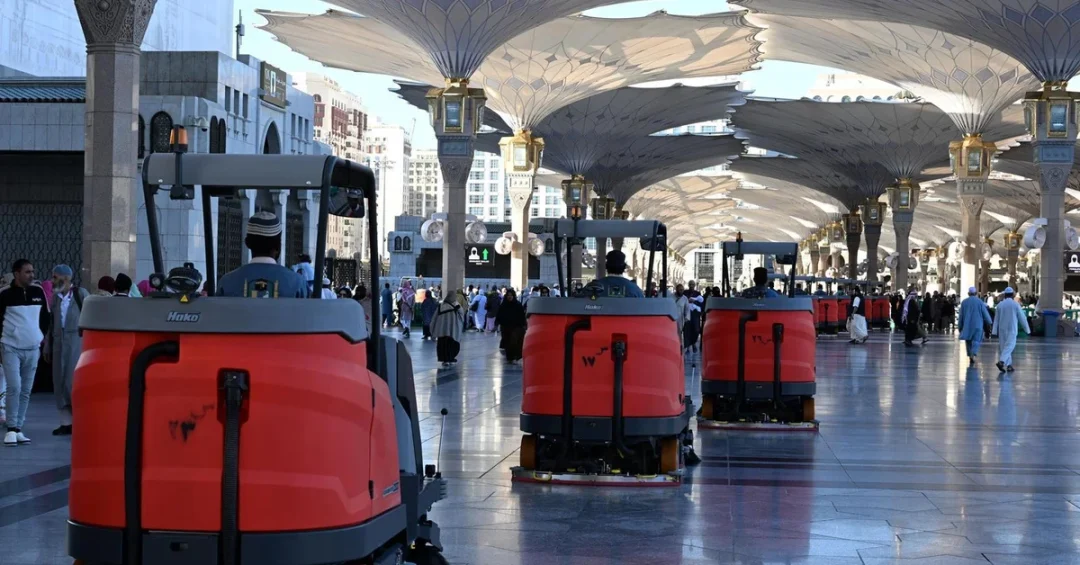
The Presidency of Religious Affairs of the Two Holy Mosques has launched a comprehensive operational plan for the post-Hajj phase, welcoming pilgrims who have completed their Hajj rituals and are now visiting the Prophet’s Mosque in Madinah before returning home. The plan, announced on June 19, 2024, via the Saudi Press Agency, focuses on providing a seamless and spiritually enriching experience for pilgrims who performed the Stoning ritual on the 11th and 12th of Dhul-Hijjah and departed Mina before sunset.
Context and Background
Each year, millions of Muslims from around the world travel to Saudi Arabia to perform Hajj, one of the Five Pillars of Islam. After completing the primary rites in Makkah and its surroundings, many pilgrims proceed to Madinah to visit the Prophet’s Mosque, the second holiest site in Islam. This post-Hajj phase requires meticulous planning to manage the large influx of visitors while ensuring their religious and logistical needs are met. The Presidency of Religious Affairs of the Two Holy Mosques, under the leadership of Abdulrahman bin Abdulaziz Al-Sudais, has developed a detailed operational strategy to facilitate this phase, reflecting the Kingdom’s commitment to serving pilgrims and upholding the sanctity of the holy sites.
Key Details of the Operational Plan
The presidency has prepared a wide array of services, including guidance and awareness materials, scientific lessons, and religious initiatives designed to enrich the pilgrims’ experience. The Iftaa’ Department at the Prophet’s Mosque is available around the clock to answer questions and provide religious rulings. Additionally, the Department of Digital Guidance has leveraged modern media and technology, including guidance robots, to assist pilgrims in multiple languages. Qualified translators, programs, and both paper and digital publications in Arabic and other languages are being utilized to elucidate religious issues and help pilgrims perform the Al-Wada Tawaf (circumambulation), the final Hajj ritual. President Al-Sudais urged all presidency employees to intensify their efforts to facilitate these religious services.
Implications and Impact
This initiative underscores Saudi Arabia’s role as the custodian of the Two Holy Mosques and its dedication to providing exceptional services to pilgrims. The use of advanced technology, such as guidance robots and digital platforms, demonstrates the Kingdom’s innovative approach to managing large-scale religious events. It also enhances the spiritual journey of pilgrims, ensuring they can focus on their worship without logistical concerns. Furthermore, the plan supports the broader goal of improving the quality of services for the increasing number of Hajj and Umrah pilgrims, a key objective under Saudi Vision 2030. By facilitating a smooth post-Hajj experience, Saudi Arabia reinforces its standing as a global leader in religious tourism and hospitality.
Vision 2030 Alignment
The post-Hajj operational plan aligns closely with Saudi Vision 2030, which aims to enhance the pilgrimage experience by improving infrastructure, adopting digital solutions, and enriching the cultural and spiritual journey of visitors. These efforts contribute to the Kingdom’s goal of welcoming 30 million Umrah pilgrims annually by 2030 and further establish Saudi Arabia as a destination of choice for Muslims worldwide. Through continuous innovation and dedication, the Presidency of Religious Affairs of the Two Holy Mosques exemplifies the Kingdom’s commitment to serving Islam and Muslims, ensuring that pilgrims return home with cherished memories and spiritual fulfillment.
20 Questions
Q1. What is the post-Hajj phase?
A1. The post-Hajj phase refers to the period after pilgrims complete the main Hajj rituals, during which many visit the Prophet’s Mosque in Madinah before returning to their home countries.
Q2. Who launched the operational plan for the post-Hajj phase?
A2. The Presidency of Religious Affairs of the Two Holy Mosques launched the operational plan to receive pilgrims at the Prophet’s Mosque.
Q3. When was the plan announced?
A3. The plan was announced on June 19, 2024, through the Saudi Press Agency.
Q4. Which pilgrims are specifically targeted by this plan?
A4. The plan targets pilgrims who performed the Stoning ritual on the 11th and 12th of Dhul-Hijjah and left Mina before sunset.
Q5. What services are included in the operational plan?
A5. The plan includes guidance and awareness materials, scientific lessons, religious initiatives, round-the-clock Iftaa’ services, and digital guidance in multiple languages.
Q6. Who is the President of Religious Affairs of the Two Holy Mosques?
A6. Abdulrahman bin Abdulaziz Al-Sudais is the President of Religious Affairs of the Two Holy Mosques.
Q7. What did President Al-Sudais urge his employees to do?
A7. He urged them to intensify efforts to facilitate the provision of religious services to pilgrims.
Q8. How does the Iftaa’ Department assist pilgrims?
A8. The Iftaa’ Department answers pilgrims’ questions and inquiries round the clock, providing religious rulings and guidance.
Q9. What technology is used by the Department of Digital Guidance?
A9. The department uses modern media, technology, and guidance robots to assist pilgrims in several languages.
Q10. In what languages are the guidance materials available?
A10. Guidance materials are available in Arabic and other languages, facilitated by qualified translators.
Q11. What is Al-Wada Tawaf?
A11. Al-Wada Tawaf is the farewell circumambulation of the Kaaba, the final ritual of Hajj performed before leaving Makkah.
Q12. Besides the Prophet’s Mosque, what other sites do pilgrims visit?
A12. Pilgrims also visit other mosques and Islamic sites closely linked to the Prophet’s life, enriching their spiritual journey.
Q13. How does this plan reflect Saudi Arabia’s commitment to pilgrims?
A13. It demonstrates the Kingdom’s dedication to providing exceptional services and ensuring a seamless spiritual experience for all pilgrims.
Q14. What role does technology play in the post-Hajj phase?
A14. Technology, including guidance robots and digital platforms, enhances communication and assistance, making services more efficient and accessible.
Q15. How does the plan align with Saudi Vision 2030?
A15. It supports Vision 2030 goals by improving pilgrimage infrastructure, adopting digital solutions, and enriching the visitor experience.
Q16. What is the significance of the Prophet’s Mosque in Islam?
A16. The Prophet’s Mosque is the second holiest site in Islam, making it a primary destination for pilgrims after Hajj.
Q17. How many pilgrims are expected to benefit from this plan?
A17. Millions of pilgrims who perform Hajj and then visit Madinah are expected to benefit from the enhanced services.
Q18. What is the goal of Saudi Vision 2030 regarding Umrah pilgrims?
A18. Vision 2030 aims to welcome 30 million Umrah pilgrims annually by 2030, enhancing facilities and services.
Q19. How does the presidency ensure the quality of religious services?
A19. Through meticulous planning, employee training, and the integration of advanced technology, the presidency maintains high service standards.
Q20. What impact does this initiative have on Saudi Arabia’s global standing?
A20. It reinforces Saudi Arabia’s role as a global leader in religious tourism and hospitality, showcasing its commitment to serving Islam and Muslims.
Reader Feedback
We value your thoughts. Please share your feedback on this article.
Your feedback helps us improve our coverage.