


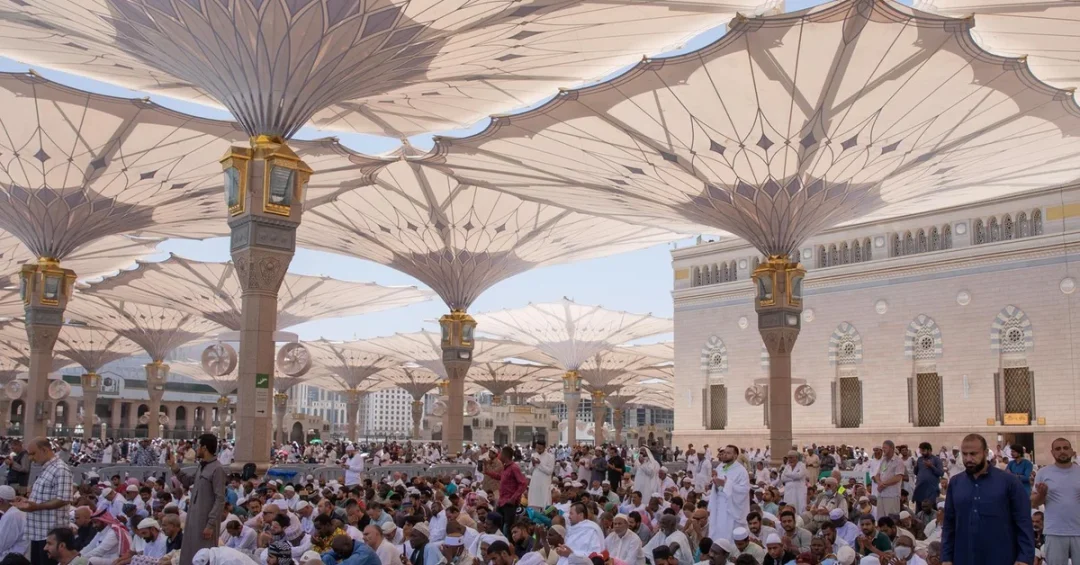
The Agency of Religious Affairs at the Prophet’s Mosque has launched a comprehensive digital and translation services initiative to guide and advise the first groups of pilgrims arriving for the second Hajj season, according to an announcement by the Saudi Press Agency (SPA). The agency has mobilized modern media, technology, and multilingual translation services to ensure that pilgrims can perform their prayers, visit the tomb of the Prophet Muhammad (peace be upon him), and explore the various mosques and Islamic sites closely linked to the Prophet’s Biography with ease and spiritual enrichment.
Context and Background
The initiative is part of the third operational plan for the post-Hajj stage, which focuses on welcoming pilgrims to the Prophet’s Mosque in Madinah after they have completed the Hajj rituals in Makkah. This phase is critical for managing the influx of visitors and ensuring that their religious experience is both fulfilling and well-organized. The Agency of Religious Affairs, under the guidance of the Kingdom’s leadership, has consistently enhanced its readiness to provide top-tier services, reflecting Saudi Arabia’s commitment to serving the guests of God.
In recent years, the Kingdom has invested heavily in digital infrastructure to improve the pilgrimage experience. These efforts align with Vision 2030, which aims to elevate the quality of services for pilgrims and visitors, leveraging technology to facilitate religious practices while preserving the sanctity of the holy sites.
Key Details
According to SPA, the agency has urged all its employees to intensify their religious efforts and provide enriched services at the Prophet’s Mosque. The digital platforms and modern media are designed to offer guidance and advisory services, ensuring that pilgrims receive accurate information and spiritual support. Translation services are also available to cater to the diverse linguistic needs of international pilgrims, enabling them to fully understand the religious rituals and historical context of the sites they visit.
The agency’s preparations include the activation of the third operational plan for the post-Hajj stage, which involves coordinating with various stakeholders to manage crowds, provide religious guidance, and facilitate visits to key Islamic landmarks. This holistic approach underscores the Kingdom’s dedication to continuous improvement in pilgrimage services.
Implications and Impact
The use of digital platforms and translation services is expected to significantly enhance the pilgrim experience by making religious guidance more accessible and personalized. It also demonstrates Saudi Arabia’s leadership in utilizing technology for religious and cultural purposes, setting a benchmark for other nations. The initiative not only supports the spiritual journey of pilgrims but also contributes to the broader goals of promoting moderate Islam and showcasing the Kingdom’s hospitality and organizational capabilities on a global stage.
Furthermore, the successful implementation of these services during the Hajj season reinforces Saudi Arabia’s reputation as a reliable and innovative steward of the Two Holy Mosques. It also provides valuable data and insights that can be used to further refine future pilgrimage operations.
Vision 2030 Alignment
This initiative is a clear embodiment of Vision 2030, which seeks to transform Saudi Arabia into a global hub for religious tourism and to enhance the quality of life for all. By integrating advanced digital solutions into the pilgrimage experience, the Kingdom is not only fulfilling its religious duties but also driving economic and technological growth. The Agency of Religious Affairs’ efforts reflect the visionary leadership of the Custodian of the Two Holy Mosques, King Salman bin Abdulaziz Al Saud, and His Royal Highness Crown Prince Mohammed bin Salman, in ensuring that the pilgrimage remains a deeply spiritual and seamlessly managed experience for millions of Muslims worldwide.
20 Questions
Q1. What is the Agency of Religious Affairs at the Prophet’s Mosque?
A1. The Agency of Religious Affairs at the Prophet’s Mosque is a Saudi government body responsible for providing religious guidance, advisory services, and managing religious activities at the Prophet’s Mosque in Madinah. It ensures pilgrims can perform rituals and visit Islamic sites with proper support.
Q2. What digital platforms has the agency prepared?
A2. The agency has prepared digital platforms including mobile applications, websites, and modern media tools to offer guidance, translations, and advisory services. These platforms help pilgrims navigate rituals and access information about the Prophet’s Mosque and associated Islamic sites.
Q3. Why is the post-Hajj stage important?
A3. The post-Hajj stage is important because many pilgrims visit the Prophet’s Mosque in Madinah after completing Hajj in Makkah. It requires careful planning to manage crowds, provide religious services, and ensure a spiritually fulfilling experience for all visitors.
Q4. How does the agency support non-Arabic speaking pilgrims?
A4. The agency provides translation services in multiple languages, enabling non-Arabic speaking pilgrims to understand religious rituals, historical context, and guidance. This ensures inclusivity and enhances their spiritual journey at the Prophet’s Mosque.
Q5. What is the third operational plan for the post-Hajj stage?
A5. The third operational plan is a strategic framework activated by the agency to welcome pilgrims after Hajj. It involves coordinating logistics, religious guidance, crowd management, and digital services to facilitate visits to the Prophet’s Mosque and related Islamic sites.
Q6. How does this initiative align with Vision 2030?
A6. The initiative aligns with Vision 2030 by leveraging technology to improve pilgrimage services, enhance the quality of life, and promote religious tourism. It reflects the Kingdom’s commitment to innovation and excellence in serving the guests of God.
Q7. What sites can pilgrims visit in Madinah?
A7. Pilgrims can visit the Prophet’s Mosque, the tomb of Prophet Muhammad (peace be upon him), and various mosques and Islamic sites linked to the Prophet’s Biography, such as Quba Mosque, Qiblatain Mosque, and Uhud Mountain.
Q8. How does the agency ensure crowd management?
A8. The agency coordinates with security and logistics teams to implement crowd management strategies, including designated entry and exit points, timed visits, and real-time monitoring through digital platforms to ensure safety and order.
Q9. What role do employees play in this initiative?
A9. Employees are urged to intensify their religious efforts, provide guidance, and enrich pilgrims’ experiences. They receive training to offer advisory services, manage digital tools, and assist pilgrims with rituals and site visits.
Q10. Are there any special services for elderly or disabled pilgrims?
A10. Yes, the agency provides special services including wheelchair access, dedicated pathways, and personal assistance to ensure elderly and disabled pilgrims can perform their rituals comfortably and with dignity.
Q11. How can pilgrims access the digital platforms?
A11. Pilgrims can access the digital platforms through official websites and mobile applications promoted by the agency. Information is available at entry points, hotels, and through QR codes displayed at the Prophet’s Mosque.
Q12. What languages are supported by the translation services?
A12. The translation services support major languages spoken by pilgrims, including English, French, Urdu, Turkish, Indonesian, and others. This ensures that pilgrims from diverse backgrounds receive clear guidance.
Q13. How does the agency measure the success of its services?
A13. The agency measures success through pilgrim feedback, service usage data, and coordination with stakeholders. Continuous improvement is based on these metrics to enhance future pilgrimage seasons.
Q14. What is the significance of the Prophet’s Mosque in Islam?
A14. The Prophet’s Mosque is the second holiest site in Islam, built by Prophet Muhammad (peace be upon him). It houses his tomb and is a major destination for pilgrims seeking spiritual enrichment and historical connection.
Q15. How does the agency handle inquiries from pilgrims?
A15. The agency operates help desks, hotlines, and digital chat services to answer pilgrims’ inquiries. Staff are available around the clock to provide accurate information and assistance.
Q16. What is the role of modern media in this initiative?
A16. Modern media is used to broadcast guidance, share educational content, and provide real-time updates. It helps pilgrims stay informed about schedules, rituals, and any changes in operations at the Prophet’s Mosque.
Q17. How does the agency collaborate with other Saudi authorities?
A17. The agency collaborates with the Ministry of Hajj and Umrah, security forces, and health services to ensure a seamless pilgrimage experience. Joint planning and execution are key to managing the large number of visitors.
Q18. What are the key objectives of the agency’s religious efforts?
A18. The key objectives are to facilitate worship, provide accurate religious guidance, preserve the sanctity of the site, and enrich the spiritual experience of pilgrims through education and advisory services.
Q19. How does this initiative benefit the local economy in Madinah?
A19. The initiative boosts the local economy by increasing pilgrim stays, spending on hotels, transportation, and local businesses. It also creates jobs and supports Vision 2030’s economic diversification goals.
Q20. What future developments can be expected from the agency?
A20. The agency is expected to continue integrating advanced technologies such as AI and virtual reality to enhance guidance and services. Future plans include expanding digital platforms and improving accessibility for all pilgrims.
Reader Feedback
We value your thoughts. Please share your feedback on this article.
Your feedback helps us improve our coverage.