


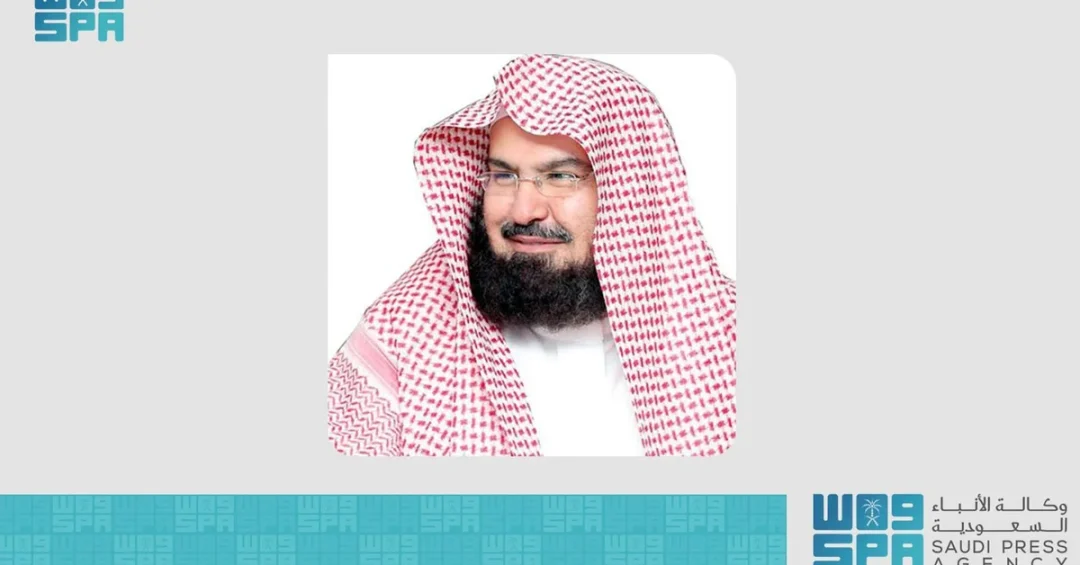
Makkah, June 19, 2024 – Sheikh Dr. Abdulrahman Al-Sudais, President of Religious Affairs for the Grand Mosque and the Prophet’s Mosque, stated that the success of this year’s Hajj season is a source of pride for all citizens of the Kingdom of Saudi Arabia. In a statement released via the Saudi Press Agency (SPA), Al-Sudais praised the wise leadership’s boundless support and directives to spare no resources in ensuring pilgrims perform their rituals with ease, comfort, and safety. He highlighted the significant role played by public sector employees and security agencies, commending their professionalism in fulfilling their religious and national duty. Al-Sudais emphasized that the successful organization of Hajj reflects the Kingdom’s important religious status as the birthplace of Islam and its message of moderation.
Context and Background
The Hajj pilgrimage is one of the Five Pillars of Islam, mandatory for all able-bodied Muslims who can afford it at least once in their lifetime. Every year, millions of pilgrims from around the world travel to the holy cities of Makkah and Madinah to perform the rituals. The Kingdom of Saudi Arabia, as the custodian of the Two Holy Mosques, bears the responsibility of hosting and facilitating this massive logistical and spiritual undertaking. Under the leadership of the Custodian of the Two Holy Mosques, King Salman bin Abdulaziz Al Saud, and His Royal Highness Crown Prince Mohammed bin Salman bin Abdulaziz Al Saud, the Kingdom has continuously invested in expanding infrastructure, enhancing services, and ensuring the safety and well-being of pilgrims. This year’s Hajj season, like previous ones, was executed with remarkable efficiency, showcasing the Kingdom’s unwavering commitment to serving Islam and Muslims worldwide.
Key Details
Sheikh Dr. Abdulrahman Al-Sudais, in his capacity as President of Religious Affairs for the Grand Mosque and the Prophet’s Mosque, expressed his profound gratitude for the leadership’s directives that enabled the seamless execution of Hajj 2024. He stated: “Praise be to Allah, for the Kingdom sets the greatest examples worldwide with its successive successful Hajj seasons, and the managing of millions of pilgrims whose comfort is ensured and who perform their rituals in safety and comfortably. All this is achieved through the combined efforts of the security, medical, and religious sectors, in full harmony, to be up to the honor bestowed upon them by Allah to serve pilgrims.” Al-Sudais also hailed the dedication of all public sector employees and security agencies, noting their professionalism in performing their religious and national duty. The successful organization of the pilgrimage is a testament to the Kingdom’s role and religious status, rooted in its commitment to moderation and service to humanity.
Implications and Impact
The success of this year’s Hajj season carries profound implications for Saudi Arabia and the global Muslim community. It reinforces the Kingdom’s position as a reliable and capable host of the largest annual religious gathering in the world. The seamless management of millions of pilgrims from diverse backgrounds demonstrates Saudi Arabia’s logistical prowess and its dedication to upholding the sanctity of the pilgrimage. Furthermore, it strengthens the Kingdom’s soft power and diplomatic standing, as pilgrims return to their home countries with positive experiences and appreciation for the hospitality and efficiency of the Saudi authorities. On a regional level, the successful Hajj season contributes to stability and showcases the Kingdom’s leadership in the Islamic world. It also underscores the importance of international cooperation, as many countries coordinate with Saudi Arabia to facilitate their citizens’ participation in Hajj.
Vision 2030 Alignment
The successful Hajj season is a direct reflection of Saudi Arabia’s Vision 2030, which aims to enhance the quality of life, improve services, and promote the Kingdom’s role as a global leader. Under Vision 2030, the Kingdom has invested heavily in modernizing infrastructure, expanding the capacities of the Two Holy Mosques, and implementing digital solutions to streamline pilgrim experiences. These efforts not only serve the guests of Allah but also contribute to economic diversification by boosting tourism and creating opportunities in the hospitality sector. As the Kingdom continues to advance its Vision 2030 goals, the annual Hajj will remain a cornerstone of its cultural and religious significance, demonstrating Saudi Arabia’s unwavering commitment to serving Islam and Muslims around the world.
20 Questions
Q1. Who is Sheikh Dr. Abdulrahman Al-Sudais?
A1. Sheikh Dr. Abdulrahman Al-Sudais is the President of Religious Affairs for the Grand Mosque and the Prophet’s Mosque. He is a prominent Saudi religious leader responsible for overseeing religious affairs at Islam’s holiest sites and has been a key figure in managing Hajj operations.
Q2. What did Al-Sudais say about the success of this year’s Hajj season?
A2. He stated that the success of this year’s Hajj season is a source of pride for all Saudi citizens. He praised the leadership’s support and the efforts of all sectors involved in ensuring a smooth and safe pilgrimage for millions of worshippers.
Q3. How does the Kingdom ensure the comfort and safety of pilgrims during Hajj?
A3. Saudi Arabia spares no resources, deploying security, medical, and religious sectors in full harmony. Advanced infrastructure, crowd management systems, and continuous upgrades to the Two Holy Mosques ensure pilgrims perform their rituals with ease, comfort, and safety.
Q4. What role did public sector employees play in this year’s Hajj?
A4. Public sector employees, along with security agencies, played a crucial role in serving pilgrims. They demonstrated professionalism and dedication in performing their religious and national duty, contributing to the overall success of the Hajj season.
Q5. Why is the successful organization of Hajj important for Saudi Arabia?
A5. It reaffirms the Kingdom’s religious status as the birthplace of Islam and its commitment to moderation. It also showcases Saudi Arabia’s logistical capabilities and its dedication to serving Islam and Muslims globally, enhancing its leadership in the Islamic world.
Q6. What did Al-Sudais say about the Kingdom’s leadership in Hajj management?
A6. He praised the wise leadership’s boundless support and directives, stating that the Kingdom sets the greatest examples worldwide with its successive successful Hajj seasons, managing millions of pilgrims through combined efforts of various sectors.
Q7. How does the Hajj season reflect Saudi Arabia’s message of moderation?
A7. The successful organization of Hajj demonstrates the Kingdom’s commitment to moderation and its role as a unifying force for Muslims worldwide. It highlights Saudi Arabia’s efforts to promote peace, tolerance, and spiritual harmony among diverse pilgrims.
Q8. What sectors were involved in making Hajj 2024 a success?
A8. The security, medical, and religious sectors worked in full harmony. Additionally, public sector employees and various government agencies collaborated to ensure the seamless execution of all Hajj-related services and operations.
Q9. How many pilgrims performed Hajj this year?
A9. While exact figures may vary, millions of pilgrims from around the world performed Hajj this year. The Kingdom managed this massive gathering efficiently, ensuring that all rituals were conducted safely and comfortably.
Q10. What is the significance of Hajj in Islam?
A10. Hajj is one of the Five Pillars of Islam, obligatory for all able-bodied Muslims who can afford it at least once in their lifetime. It is a profound spiritual journey that fosters unity, equality, and devotion to Allah.
Q11. How does Saudi Arabia’s leadership support Hajj operations?
A11. The leadership provides boundless support, directing all resources to ensure pilgrims’ comfort and safety. This includes continuous investments in infrastructure, technology, and services to enhance the Hajj experience for all attendees.
Q12. What did Al-Sudais highlight about the professionalism of security agencies?
A12. He commended their professionalism in performing their religious and national duty. Their dedication ensured a safe and secure environment for pilgrims, allowing them to focus on their spiritual rituals without concerns.
Q13. How does the Hajj season contribute to Saudi Arabia’s economy?
A13. Hajj boosts various sectors, including hospitality, transportation, and retail. It generates significant revenue and supports Vision 2030 goals by promoting tourism and creating job opportunities, while showcasing the Kingdom’s capabilities.
Q14. What message does Al-Sudais have for the Saudi leadership?
A14. He expressed deep gratitude for the leadership’s unwavering support and directives. He praised their commitment to serving pilgrims and ensuring that the Kingdom remains a beacon of Islamic hospitality and excellence.
Q15. How does Saudi Arabia handle the logistics of millions of pilgrims?
A15. Through meticulous planning, advanced technology, and coordinated efforts among various sectors. The Kingdom utilizes crowd management systems, expanded facilities, and trained personnel to ensure smooth movement and safety for all pilgrims.
Q16. What is the role of the President of Religious Affairs?
A16. The President of Religious Affairs oversees religious activities at the Grand Mosque and the Prophet’s Mosque. This includes managing Hajj rituals, ensuring proper guidance for pilgrims, and coordinating with other sectors for seamless operations.
Q17. How does the success of Hajj enhance Saudi Arabia’s global standing?
A17. It reinforces the Kingdom’s reputation as a capable and reliable host of the largest annual Islamic gathering. It strengthens diplomatic ties and showcases Saudi Arabia’s leadership in serving Islam and promoting moderation worldwide.
Q18. What improvements have been made to Hajj services in recent years?
A18. Saudi Arabia has invested in expanding the Two Holy Mosques, implementing digital solutions, improving transportation, and enhancing healthcare facilities. These upgrades aim to provide pilgrims with a more comfortable and spiritually fulfilling experience.
Q19. How does Hajj align with Vision 2030?
A19. Hajj aligns with Vision 2030 by enhancing the quality of life, promoting tourism, and showcasing the Kingdom’s organizational excellence. It supports economic diversification and reinforces Saudi Arabia’s role as a global leader in serving pilgrims.
Q20. What is the overarching message of Al-Sudais’ statement?
A20. His message emphasizes pride in the Kingdom’s successful Hajj management, gratitude to the leadership and all involved sectors, and the importance of continuing to serve pilgrims with excellence, reflecting Saudi Arabia’s religious status and commitment to moderation.
Reader Feedback
We value your thoughts. Please share your feedback on this article.
Your feedback helps us improve our coverage.