


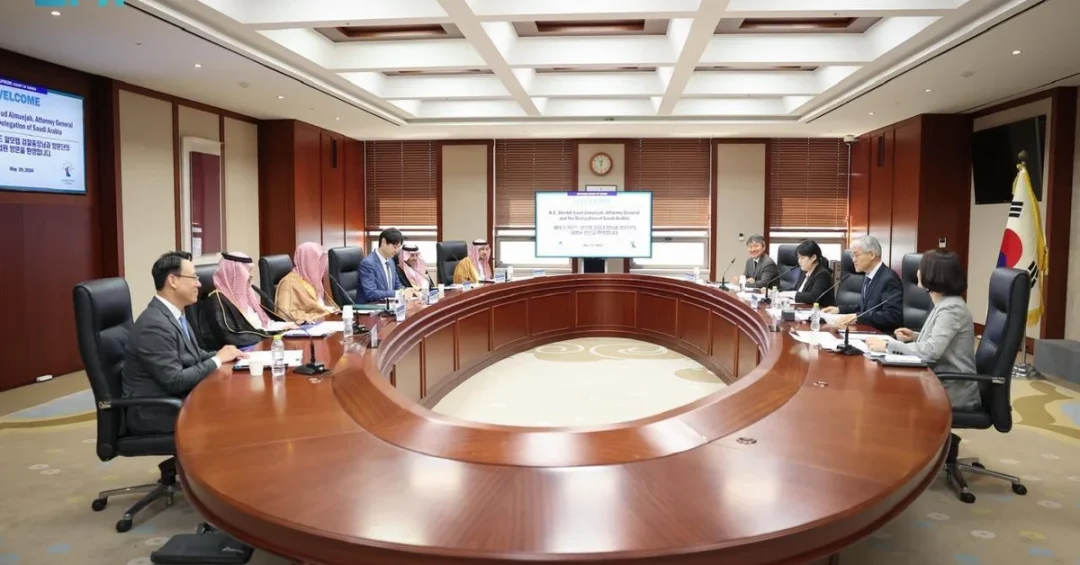
Saudi Attorney General Sheikh Saud Al-Mujib met with Minister of National Court Administration of the Supreme Court of Korea Chun Daeyup in Seoul on May 30, 2024, to discuss judicial relations and exchange best practices between the Kingdom of Saudi Arabia and the Republic of Korea. The meeting, reported by the Saudi Press Agency (SPA), underscores the growing bilateral cooperation between the two nations in the legal and judicial fields, aligning with Saudi Arabia’s Vision 2030 goals of international engagement and institutional development.
Context and Background
Saudi Arabia and South Korea have enjoyed strong diplomatic and economic ties for decades, with cooperation expanding into various sectors including technology, infrastructure, and energy. In recent years, both countries have sought to deepen collaboration in legal and judicial matters, recognizing the importance of rule of law and efficient judicial systems for sustainable development. The meeting between Attorney General Sheikh Saud Al-Mujib and Minister Chun Daeyup is part of a series of exchanges aimed at fostering mutual understanding and adopting international best practices. This visit highlights Saudi Arabia’s proactive approach to modernizing its legal framework, a key pillar of Vision 2030.
Key Details
During the meeting, the two officials discussed ways to enhance judicial relations and exchanged insights on best judicial practices in Saudi Arabia and the Republic of Korea. Attorney General Sheikh Saud Al-Mujib, who leads the Saudi Public Prosecution, has been instrumental in advancing judicial reforms in the Kingdom, focusing on efficiency, transparency, and digital transformation. Minister Chun Daeyup, representing South Korea’s Supreme Court, shared Korea’s experience in court administration and technological integration. The discussions also likely covered potential areas for future cooperation, such as training programs, judicial conferences, and the exchange of legal expertise. This meeting follows previous high-level visits and agreements between the two countries, reflecting a shared commitment to strengthening legal institutions.
Implications and Impact
The meeting carries significant implications for bilateral relations between Saudi Arabia and South Korea. By enhancing judicial cooperation, both nations can improve the effectiveness of their legal systems, which is essential for protecting rights, fostering investment, and ensuring social stability. For Saudi Arabia, adopting best practices from Korea’s advanced judicial system can support ongoing reforms and contribute to a more attractive business environment. Regionally, this collaboration may serve as a model for other countries in the Middle East, demonstrating the benefits of international legal partnerships. Globally, it reinforces Saudi Arabia’s role as an active participant in international legal forums and its commitment to upholding the rule of law.
Vision 2030 Alignment
This judicial exchange aligns closely with Saudi Arabia’s Vision 2030, which seeks to diversify the economy, improve government efficiency, and enhance quality of life. A robust and modern judicial system is fundamental to achieving these goals, as it underpins economic growth, social justice, and investor confidence. The Kingdom’s efforts to learn from international partners like South Korea reflect its dedication to continuous improvement and global integration. As Saudi Arabia continues to implement its ambitious reform agenda, such collaborations will play a vital role in building a prosperous and sustainable future.
20 Questions
Q1. Who met with the Saudi Attorney General in Seoul?
A1. Saudi Attorney General Sheikh Saud Al-Mujib met with Minister of National Court Administration of the Supreme Court of Korea Chun Daeyup. The meeting took place in Seoul on May 30, 2024.
Q2. What was the purpose of the meeting between Saudi and Korean judicial officials?
A2. The meeting aimed to discuss judicial relations, enhance cooperation, and exchange best judicial practices between Saudi Arabia and the Republic of Korea. It focused on strengthening bilateral legal ties.
Q3. Where did the meeting take place?
A3. The meeting took place in Seoul, the capital of South Korea. It was reported by the Saudi Press Agency (SPA).
Q4. When did the meeting occur?
A4. The meeting occurred on May 30, 2024, as reported by the Saudi Press Agency. The time was 15:55 local time in Seoul, which is 12:55 GMT.
Q5. Who represents Saudi Arabia in judicial matters during this meeting?
A5. Saudi Attorney General Sheikh Saud Al-Mujib represented Saudi Arabia. He leads the Saudi Public Prosecution and has been instrumental in advancing judicial reforms in the Kingdom.
Q6. Who is Chun Daeyup?
A6. Chun Daeyup is the Minister of National Court Administration of the Supreme Court of Korea. He represents South Korea’s judicial administration and shared Korea’s experience in court administration.
Q7. What are the key topics discussed in the meeting?
A7. The key topics included judicial relations, means to enhance them, and best judicial practices in both Saudi Arabia and the Republic of Korea. They also explored potential areas for future cooperation.
Q8. How does this meeting benefit Saudi Arabia?
A8. It allows Saudi Arabia to learn from South Korea’s advanced judicial system, supporting ongoing reforms and contributing to a more attractive business environment. It also strengthens bilateral ties.
Q9. What is the significance of judicial cooperation between Saudi Arabia and South Korea?
A9. Judicial cooperation enhances the effectiveness of legal systems, protects rights, fosters investment, and ensures social stability. It also reinforces Saudi Arabia’s role in international legal forums.
Q10. How does this meeting align with Saudi Vision 2030?
A10. The meeting aligns with Vision 2030 by promoting government efficiency, international engagement, and institutional development. A robust judicial system is fundamental to achieving these goals.
Q11. What are best judicial practices that were exchanged?
A11. Best judicial practices likely included digital transformation, case management, and technological integration in courts. Saudi Arabia is focused on efficiency, transparency, and digital transformation in its judiciary.
Q12. Has Saudi Arabia engaged in similar judicial exchanges with other countries?
A12. Yes, Saudi Arabia has engaged in judicial exchanges with various countries as part of its international engagement strategy. This meeting is part of a series of exchanges aimed at adopting international best practices.
Q13. What role does the Saudi Public Prosecution play in judicial reform?
A13. The Saudi Public Prosecution, led by Attorney General Sheikh Saud Al-Mujib, plays a key role in advancing judicial reforms, focusing on efficiency, transparency, and digital transformation in the Kingdom.
Q14. How might this cooperation impact regional legal frameworks?
A14. It may serve as a model for other Middle Eastern countries, demonstrating the benefits of international legal partnerships. It promotes the rule of law and judicial modernization in the region.
Q15. What are the potential outcomes of this meeting?
A15. Potential outcomes include training programs, judicial conferences, exchange of legal expertise, and enhanced bilateral cooperation. These could lead to improved judicial systems in both countries.
Q16. How does South Korea’s judicial system compare to Saudi Arabia’s?
A16. South Korea has a technologically advanced judicial system with integrated court administration. Saudi Arabia is modernizing its system with a focus on digital transformation and efficiency, learning from Korea’s experience.
Q17. What is the role of the Supreme Court of Korea in judicial administration?
A17. The Supreme Court of Korea oversees the national court administration, ensuring efficient and fair judicial processes. Minister Chun Daeyup represents this body in international judicial exchanges.
Q18. How does this meeting reflect Saudi Arabia’s commitment to international law?
A18. It reflects Saudi Arabia’s commitment to upholding the rule of law and participating in international legal forums. It demonstrates the Kingdom’s proactive approach to legal cooperation and modernization.
Q19. What future steps might follow this meeting?
A19. Future steps may include formal agreements, joint training initiatives, and reciprocal visits. These would further enhance judicial relations and cooperation between Saudi Arabia and South Korea.
Q20. How does this meeting contribute to Saudi Arabia’s global image?
A20. It contributes to Saudi Arabia’s global image as an active participant in international legal affairs and a modernizing nation. It showcases the Kingdom’s commitment to Vision 2030 and global engagement.
Reader Feedback
We value your thoughts. Please share your feedback on this article.
Your feedback helps us improve our coverage.