


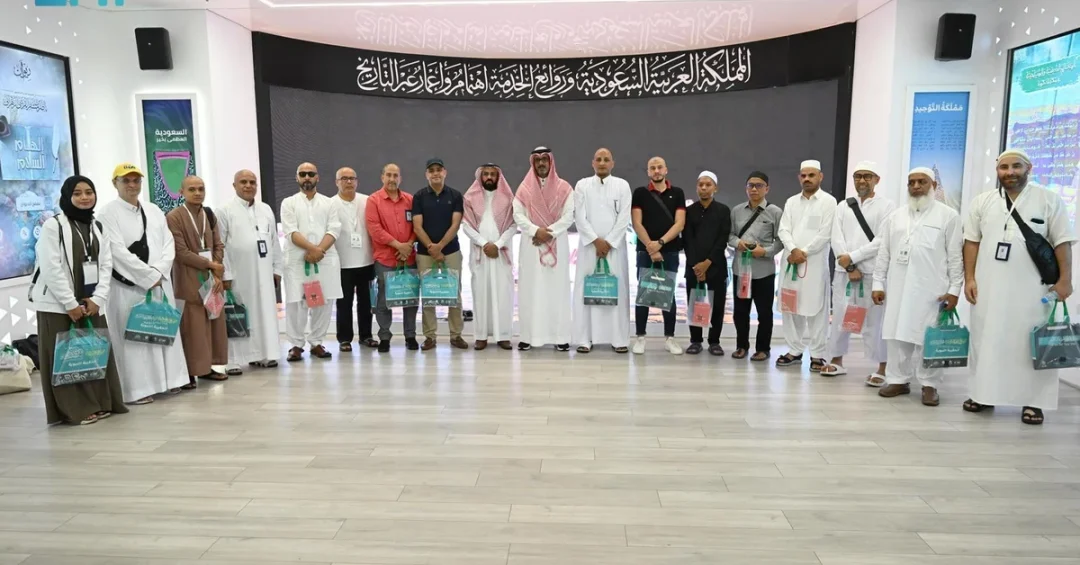
Representatives from major international and Islamic news agencies visited the Prophet’s Mosque and several historical sites in Madinah on June 19, 2024, as part of a media partnership initiative led by the Saudi Press Agency (SPA) to cover the 1445 Hajj season. The visit provided an immersive experience of the spiritual and historical significance of the Prophet’s Mosque, showcasing the Kingdom’s efforts in serving the Two Holy Mosques and preserving Islamic heritage.
Context and Background
The Saudi Press Agency (SPA) has been actively working to establish media partnerships with global and Islamic news agencies to enhance coverage of the Hajj pilgrimage. This initiative aligns with Saudi Arabia’s broader commitment to facilitating accurate and comprehensive reporting on the annual pilgrimage, which draws millions of Muslims from around the world. The visit to Madinah’s historical sites is part of a series of activities designed to familiarize international media with the Kingdom’s cultural and religious heritage.
Madinah, the second holiest city in Islam, holds immense significance for Muslims globally. The Prophet’s Mosque, built by Prophet Muhammad (peace be upon him), is a central place of worship and a major destination for pilgrims. The surrounding historical sites, including Quba Mosque and the Museum of the Prophet’s Biography, offer deep insights into early Islamic history and the life of the Prophet.
Key Details
During the visit, the media representatives toured the Museum of the Prophet’s Biography, where they viewed exhibition pavilions detailing various aspects of the Prophet’s life. A highlight was the panorama of the Noble Prophet’s Chamber, which provided information about its construction and development through the Saudi era. The exhibition featured modern interactive screens, including a simulation of the noble Prophet’s pulpit, and showcased the Kingdom’s efforts in serving the Holy Quran, the Sunnah, and the Two Holy Mosques.
The representatives also visited the exhibition of the Prophet’s Mosque’s architecture, learning about its architectural evolution through interactive screens, a TV Film Center, and a cinema hall. They explored a special hall for valuables containing rare possessions and ancient artifacts from the Two Holy Mosques. Additionally, they toured the Prophet’s Mosque landmarks, including the pulpit, mihrab, domes, canopies, doors, Adhan, muezzins, minarets, and squares.
The visit concluded with a tour of Quba Square, where the representatives learned about historical landmarks such as Al-Ghamamah Mosque, Abu Bakr Mosque, Ali bin Abi Talib Mosque, Quba Castle, and Quba Mosque. These sites are integral to Islamic history and attract numerous visitors annually.
Implications and Impact
This initiative by the Saudi Press Agency underscores Saudi Arabia’s dedication to fostering international media collaboration and ensuring that the Hajj is covered with accuracy and respect. By providing journalists with firsthand experiences of the Prophet’s Mosque and its historical surroundings, the SPA aims to enrich global understanding of Islamic traditions and the Kingdom’s role as the custodian of the Two Holy Mosques. Such partnerships also enhance the dissemination of the Kingdom’s message of peace and moderation.
The visit is expected to result in more informed and sensitive reporting on Hajj and Islamic heritage, benefiting international audiences. It also highlights Saudi Arabia’s ongoing efforts to modernize and improve the pilgrimage experience through advanced technologies and infrastructure, reflecting the goals of Vision 2030.
Vision 2030 Alignment
This media visit aligns with Saudi Arabia’s Vision 2030, which seeks to diversify the economy and enhance the Kingdom’s global engagement. By promoting religious tourism and showcasing the rich Islamic heritage of Madinah, the initiative supports the Vision’s objectives of increasing the number of pilgrims and visitors, and fostering cultural exchange. It also demonstrates Saudi Arabia’s commitment to leveraging media partnerships to share its story of progress and devotion to the Two Holy Mosques with the world.
20 Questions
Q1. What was the purpose of the media representatives’ visit to Madinah?
A1. The visit was part of a Saudi Press Agency initiative to establish media partnerships with international and Islamic news agencies for covering the 1445 Hajj season.
Q2. Which agency organized the visit to the Prophet’s Mosque and historical sites?
A2. The Saudi Press Agency (SPA) organized the visit as part of its efforts to enhance media collaboration for Hajj coverage.
Q3. What is the significance of the Prophet’s Mosque in Madinah?
A3. The Prophet’s Mosque is the second holiest site in Islam, built by Prophet Muhammad, and serves as a major destination for pilgrims and a center of Islamic worship.
Q4. What did the representatives see at the Museum of the Prophet’s Biography?
A4. They viewed exhibition pavilions covering the Prophet’s life, a panorama of the Noble Prophet’s Chamber, and interactive screens simulating the pulpit.
Q5. How does the exhibition showcase Saudi Arabia’s efforts?
A5. It highlights the Kingdom’s service to the Holy Quran, the Sunnah, and the Two Holy Mosques through modern displays and technologies.
Q6. What architectural aspects were featured in the Prophet’s Mosque exhibition?
A6. The exhibition included interactive screens, a TV Film Center, and a cinema hall detailing the mosque’s architectural evolution and features.
Q7. What rare items are displayed in the special hall for valuables?
A7. The hall contains rare possessions and ancient artifacts from the Two Holy Mosques, carefully preserved for historical and educational purposes.
Q8. Which landmarks of the Prophet’s Mosque did the representatives visit?
A8. They visited the pulpit, mihrab, domes, canopies, doors, Adhan, muezzins, minarets, and squares of the mosque.
Q9. What historical sites did they explore in Quba Square?
A9. They learned about Al-Ghamamah Mosque, Abu Bakr Mosque, Ali bin Abi Talib Mosque, Quba Castle, and Quba Mosque.
Q10. Why is Quba Mosque significant in Islamic history?
A10. Quba Mosque is the first mosque built in Islam, constructed by Prophet Muhammad upon his migration to Madinah, symbolizing the beginning of Islamic community.
Q11. How does this visit support Hajj coverage?
A11. By providing media representatives with firsthand knowledge, it enables more accurate and respectful reporting on Hajj and the holy sites.
Q12. What role does the Saudi Press Agency play in this initiative?
A12. SPA facilitates media partnerships and organizes visits to enhance international coverage of Saudi Arabia’s religious and cultural events.
Q13. How does the visit reflect Saudi Arabia’s Vision 2030?
A13. It supports Vision 2030 by promoting religious tourism, cultural exchange, and showcasing the Kingdom’s modernization and global engagement.
Q14. What technologies were used in the exhibitions?
A14. Modern interactive screens, visual technical displays, and cinema screenings were used to present historical and architectural information.
Q15. What is the significance of the Noble Prophet’s Chamber?
A15. It is the room where Prophet Muhammad lived and is now part of the mosque, providing historical context about its construction and development.
Q16. How does the exhibition highlight the Kingdom’s service to the Two Holy Mosques?
A16. Through displays and models, it shows the continuous efforts in maintenance, expansion, and technological enhancements of the mosques.
Q17. What are the benefits of media partnerships for Saudi Arabia?
A17. They foster accurate international reporting, enhance the Kingdom’s image, and promote understanding of its religious and cultural heritage.
Q18. How many news agencies participated in the visit?
A18. The source does not specify the exact number, but representatives from major international and Islamic news agencies attended.
Q19. What is the expected outcome of this visit for global audiences?
A19. It will lead to more informed and sensitive coverage of Hajj, enriching global understanding of Islamic traditions and Saudi Arabia’s role.
Q20. How does Madinah’s historical heritage contribute to religious tourism?
A20. Madinah’s sites attract millions of pilgrims and visitors, supporting religious tourism and economic diversification under Vision 2030.
Reader Feedback
We value your thoughts. Please share your feedback on this article.
Your feedback helps us improve our coverage.