


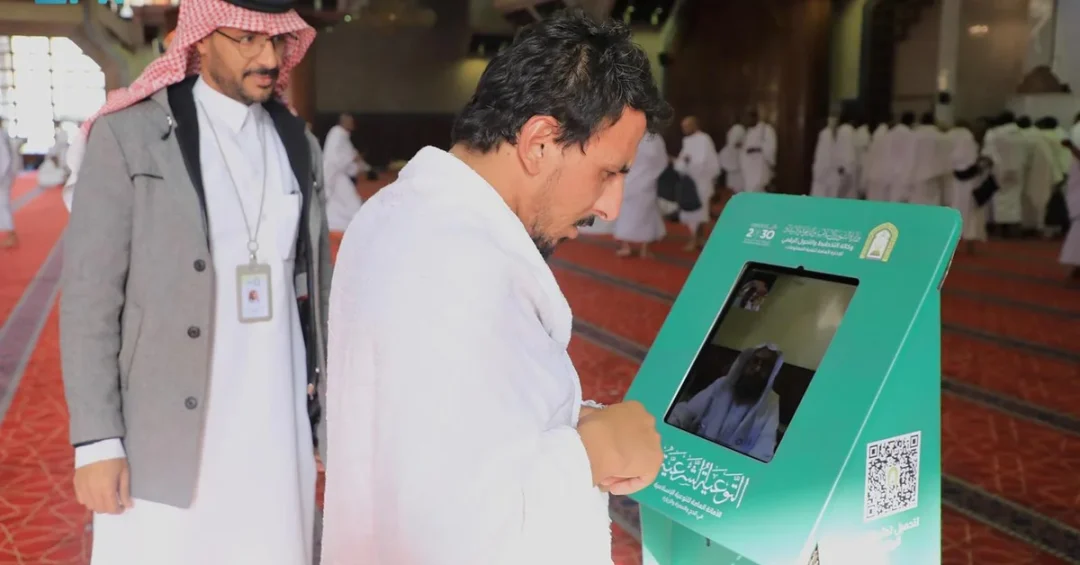
The Ministry of Islamic Affairs, Dawah, and Guidance, through its General Secretariat for Islamic Awareness in Hajj and Umrah, has launched a comprehensive suite of call and guidance programs to educate pilgrims during the Hajj season of 1445 AH. Announced from Riyadh, the initiative underscores the Kingdom of Saudi Arabia’s enduring commitment to serving the Guests of God by providing accurate, moderate, and accessible religious guidance throughout their sacred journey.
Context and Background
The Hajj pilgrimage is one of the Five Pillars of Islam, drawing millions of Muslims from every corner of the world to Makkah each year. With such a vast and diverse gathering, the need for clear, authentic, and multilingual religious instruction is paramount. The Ministry of Islamic Affairs, Dawah, and Guidance, under the leadership of Minister Sheikh Dr. Abdul Latif bin Abdulaziz Al-Sheikh, has long been at the forefront of these efforts, ensuring that pilgrims can perform their rituals correctly and with peace of mind.
This year’s program is guided by the Kingdom’s overarching mission to promote moderation and tolerance, values that are central to both Islamic tradition and the Saudi Vision 2030 reform agenda. By leveraging modern technology alongside traditional scholarship, the ministry aims to reach pilgrims wherever they may be, from the moment they arrive until they complete their rites.
Key Details of the 1445 Hajj Awareness Program
The ministry’s programs are delivered through a wide network of locations, including Al-Mawaqit and Al-Hal mosques, Islamic awareness centers, field cabins in Makkah and the Holy Sites, and designated prayer areas in the central region next to the Grand Mosque. A distinguished group of preachers, scholars, students, and translators proficient in international languages leads these efforts, ensuring precision and accuracy in every interaction.
Pilgrims can seek answers to their questions about Hajj and Umrah rituals at dedicated awareness booths, where elite preachers are assigned to respond to inquiries. Additionally, daily sermons, lessons, and lectures are delivered to educate and inspire. To complement these on-ground efforts, the ministry has developed an electronic library featuring thousands of religious books, accessible to all.
Technology plays a pivotal role in this year’s initiative. A free automated phone line, 8002451000, operates around the clock to answer questions in ten international languages, disseminating correct information about the rituals of Hajj and Umrah according to the Qur’an and Sunnah. Electronic screens installed in mosques across Makkah’s holy sites broadcast awareness messages in multiple global languages, while iPads are used to provide a ‘Fatwa’ service via video broadcast. The ministry also sends awareness text messages (SMS) to pilgrims’ mobile phones and shares the call program through its social media platforms.
A highlight of the program will be held at the Al-Khayf Mosque in Mina, where eminent scholars and preachers will present sessions to guide pilgrims during the peak days of Hajj.
Implications and Impact
This initiative reflects Saudi Arabia’s unwavering dedication to serving Islam and Muslims worldwide. By combining the expertise of renowned scholars with cutting-edge technology, the ministry ensures that pilgrims receive authentic guidance that aligns with the teachings of the Qur’an and Sunnah. The multilingual approach not only accommodates the diverse linguistic backgrounds of pilgrims but also fosters a sense of inclusivity and unity among the global Muslim community.
The program also contributes to the smooth and orderly conduct of Hajj, reducing confusion and enabling pilgrims to focus on their spiritual journey. It reinforces the Kingdom’s role as a global leader in Islamic affairs and its commitment to maintaining the sanctity and security of the pilgrimage.
Vision 2030 Alignment
The Ministry of Islamic Affairs’ programs for Hajj 1445 are a clear manifestation of Saudi Vision 2030, which seeks to enhance the quality of services provided to pilgrims and elevate the Kingdom’s global standing. By investing in technology, education, and multilingual outreach, the ministry is not only fulfilling its religious mandate but also contributing to the economic and social diversification goals of the Vision. As Saudi Arabia continues to welcome millions of pilgrims each year, such initiatives demonstrate the Kingdom’s readiness to embrace innovation while preserving its rich Islamic heritage, ensuring that the Hajj experience remains deeply spiritual, safe, and fulfilling for all.
20 Questions
Q1. What is the purpose of the Ministry of Islamic Affairs’ Hajj programs?
A1. The programs aim to educate pilgrims about Hajj and Umrah rituals, providing accurate guidance based on the Qur’an and Sunnah, and promoting moderation and tolerance.
Q2. Who leads the call and guidance efforts during Hajj?
A2. A distinguished group of preachers, scholars, students, and translators proficient in international languages leads the efforts under the Ministry of Islamic Affairs.
Q3. Where are the awareness services available?
A3. Services are available at Al-Mawaqit and Al-Hal mosques, Islamic awareness centers, field cabins in Makkah and the Holy Sites, and prayer areas near the Grand Mosque.
Q4. What is the free phone number for automated responses?
A4. The free number is 8002451000, which operates around the clock to answer questions in ten international languages.
Q5. How does the ministry use technology to reach pilgrims?
A5. The ministry uses an electronic library, electronic screens in mosques, iPads for video Fatwa services, SMS messages, and social media platforms.
Q6. What is the role of the electronic library?
A6. The electronic library contains thousands of religious books and keeps pace with modern technology to educate pilgrims.
Q7. In how many languages does the free phone service operate?
A7. The free phone service operates in ten international languages to disseminate correct information about Hajj and Umrah rituals.
Q8. What is the Fatwa service provided via iPads?
A8. The Fatwa service allows pilgrims to ask questions and receive answers via video broadcast, ensuring实时 guidance from qualified scholars.
Q9. Where will the program at Al-Khayf Mosque take place?
A9. The program will be held at Al-Khayf Mosque in Mina, presented by eminent scholars and preachers during the Hajj season.
Q10. What is the significance of Al-Mawaqit and Al-Hal mosques?
A10. These mosques serve as key locations for providing call and awareness services to pilgrims, offering guidance and answers to their questions.
Q11. How does the ministry ensure accuracy in its guidance?
A11. By assigning elite preachers and scholars who are well-versed in Islamic jurisprudence and by using reliable sources like the Qur’an and Sunnah.
Q12. What is the role of field cabins in Makkah and the Holy Sites?
A12. Field cabins serve as on-ground centers where pilgrims can receive guidance and ask questions about Hajj rituals.
Q13. How does the ministry promote moderation during Hajj?
A13. The ministry’s programs are designed to promote moderation by providing balanced, authentic Islamic teachings and countering extremism.
Q14. What types of lectures and lessons are offered?
A14. Daily sermons, lessons, and lectures are delivered by scholars to educate pilgrims on various aspects of Hajj and Umrah.
Q15. How can pilgrims access the electronic library?
A15. Pilgrims can access the electronic library through the ministry’s digital platforms, which contain thousands of religious books.
Q16. What is the purpose of the SMS messages sent to pilgrims?
A16. The SMS messages provide awareness and guidance about Hajj rituals, ensuring pilgrims receive correct information directly on their mobile phones.
Q17. How does the ministry use social media during Hajj?
A17. The ministry shares its call program and awareness messages through social media platforms to reach a wider audience of pilgrims.
Q18. What is the role of translators in the Hajj program?
A18. Translators help convey religious guidance to non-Arabic speaking pilgrims, ensuring that all pilgrims understand the rituals correctly.
Q19. How does this initiative reflect Saudi Arabia’s commitment to pilgrims?
A19. It demonstrates the Kingdom’s dedication to serving the Guests of God by providing comprehensive, multilingual, and technologically advanced guidance services.
Q20. How does the program align with Saudi Vision 2030?
A20. It aligns with Vision 2030 by enhancing pilgrim services, promoting moderation, and leveraging technology to improve the Hajj experience, reflecting the Kingdom’s forward-looking approach.
Reader Feedback
We value your thoughts. Please share your feedback on this article.
Your feedback helps us improve our coverage.