


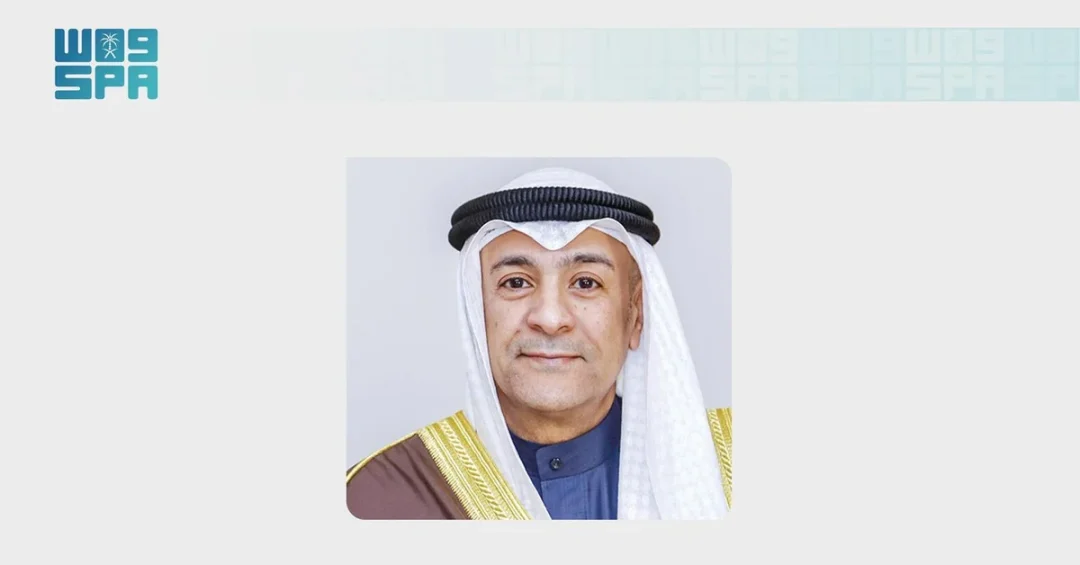
Riyadh, September 16, 2026 — The Secretary-General of the Gulf Cooperation Council (GCC), Jasem Albudaiwi, has strongly condemned a treacherous terrorist attempt by the Houthi militia to target the Holy City of Makkah with an unmanned aerial vehicle (UAV), calling it a dangerous escalation that violates the sanctity of the holiest site in Islam and provokes Muslims worldwide. In a statement released via official channels, Albudaiwi affirmed that the attack represents a blatant crossing of all lines and boundaries, and demanded a firm international response to hold the perpetrators accountable.
Context and Background
The reported attack comes amid ongoing regional tensions and repeated violations of international law by the Houthi militia, which has previously targeted civilian infrastructure in the Kingdom of Saudi Arabia. Makkah, the birthplace of Islam and the site of the Kaaba—the Qiblah toward which over 1.8 billion Muslims pray—holds unparalleled religious significance. Any threat to its security is viewed as an assault on the faith and sentiments of the global Muslim community.
Saudi Arabia, under the leadership of the Custodian of the Two Holy Mosques, King Salman bin Abdulaziz Al Saud, and Crown Prince and Prime Minister Mohammed bin Salman, has consistently upheld its responsibility to protect the holy sites and ensure the safety of millions of pilgrims who visit annually for Hajj and Umrah. The Kingdom’s air defense forces have intercepted numerous UAVs and missiles launched by the Houthis in recent years, underscoring the persistent nature of the threat.
Key Details
In his statement, GCC Secretary-General Jasem Albudaiwi described the Houthi attempt as a “heinous criminal act” that exposes an extremist approach disregarding the sanctity of holy sites and the safety of civilians. He stressed that targeting Makkah is not an attack on the Kingdom alone but an “extremely dangerous provocation to the sentiments of Muslims around the world.”
Albudaiwi renewed the GCC’s full support for all measures taken by Saudi Arabia to safeguard its sovereignty, protect its territory, holy sites, citizens, and residents, and deter anyone attempting to undermine its security and stability. He emphasized that the security of the Kingdom and its holy sites is an integral part of the security of all GCC countries, and that the council stands united alongside Saudi Arabia.
The GCC comprises six member states—Saudi Arabia, the United Arab Emirates, Bahrain, Kuwait, Oman, and Qatar—and serves as a key regional bloc for political, economic, and security cooperation. The Secretary-General’s condemnation reflects the collective stance of these nations against terrorism and violations of religious sanctity.
Implications and Impact
This incident underscores the ongoing threat posed by the Houthi militia to regional stability and international peace. The targeting of Makkah, a city off-limits to non-Muslims and revered by millions, has the potential to inflame tensions across the Islamic world. Albudaiwi’s call for a “firm and deterrent international stance” highlights the need for global cooperation to combat terrorism and hold non-state actors accountable for attacks on holy sites.
The attack also reinforces the importance of Saudi Arabia’s leadership in maintaining regional security and protecting the annual pilgrimage, which is a cornerstone of the Kingdom’s cultural and religious stewardship. The international community has previously condemned similar Houthi attacks, and this latest provocation is likely to draw widespread denunciation from Muslim-majority nations and global powers alike.
Vision 2030 Alignment
Under Vision 2030, Saudi Arabia is committed to ensuring the safety and well-being of pilgrims and visitors, while fostering a secure environment that enables economic diversification and social progress. The Kingdom’s efforts to safeguard the holy sites are integral to its role as the heart of the Islamic world and its pursuit of a prosperous, stable future. The GCC’s solidarity with Saudi Arabia in the face of such threats reinforces the collective resolve to uphold peace, security, and the sanctity of religious sites for generations to come.
20 Questions
Q1. What did the GCC Secretary-General condemn?
A1. He condemned the Houthi militia’s treacherous terrorist attempt to target the Holy City of Makkah with a UAV, calling it a dangerous escalation and a violation of the holiest site in Islam.
Q2. Who is the GCC Secretary-General?
A2. Jasem Albudaiwi is the Secretary-General of the Gulf Cooperation Council, a regional bloc comprising six Arab states. He issued a strong statement condemning the attack on Makkah.
Q3. What is the significance of Makkah in Islam?
A3. Makkah is the holiest city in Islam, home to the Kaaba, the Qiblah toward which over 1.8 billion Muslims pray. It is the destination of the annual Hajj pilgrimage and Umrah.
Q4. How did Albudaiwi describe the Houthi act?
A4. He described it as a heinous criminal act, an extremely dangerous escalation, a crossing of all lines and boundaries, and a blatant violation of the sanctity of the holiest place on Earth.
Q5. What does the GCC stand for?
A5. The Gulf Cooperation Council is a political and economic alliance of six Middle Eastern countries: Saudi Arabia, UAE, Bahrain, Kuwait, Oman, and Qatar. It promotes regional integration and security.
Q6. Why is targeting Makkah considered an attack on all Muslims?
A6. Makkah is the spiritual heart of Islam, and any threat to its security is seen as a provocation to the sentiments of Muslims worldwide, not just an attack on Saudi Arabia.
Q7. What did Albudaiwi call for internationally?
A7. He called for a firm and deterrent international stance to put an end to these violations and hold those responsible accountable, emphasizing that targeting holy sites cannot be tolerated.
Q8. How have GCC countries responded to the attack?
A8. GCC countries stand united alongside Saudi Arabia, affirming that the security of the Kingdom and its holy sites is an integral part of their collective security.
Q9. What measures has Saudi Arabia taken to protect holy sites?
A9. Saudi Arabia has implemented advanced air defense systems to intercept UAVs and missiles, and it continuously enhances security around pilgrimage sites to ensure the safety of millions of worshippers.
Q10. What is the Houthi militia?
A10. The Houthi militia is an Iran-aligned armed group in Yemen that has repeatedly launched cross-border attacks on Saudi Arabia, targeting civilian infrastructure and holy sites, violating international law.
Q11. How does this attack affect regional stability?
A11. It heightens tensions and underscores the ongoing threat posed by non-state actors. It also reinforces the need for collective regional and international efforts to combat terrorism and protect sacred sites.
Q12. What is the role of the GCC in regional security?
A12. The GCC coordinates political, economic, and security policies among its member states. It plays a vital role in addressing common threats and promoting stability in the Gulf region.
Q13. How does Saudi Arabia ensure the safety of pilgrims?
A13. Saudi Arabia invests heavily in security, healthcare, and infrastructure during Hajj and Umrah seasons. It collaborates with GCC and international partners to safeguard pilgrims from any harm.
Q14. What is Vision 2030’s connection to this issue?
A14. Vision 2030 aims to enhance the pilgrimage experience, protect holy sites, and ensure security, which are essential for the Kingdom’s economic and social development and its leadership in the Islamic world.
Q15. What has been the international reaction to similar attacks?
A15. Previous Houthi attacks on Saudi Arabia have drawn widespread condemnation from the United Nations, the United States, and Muslim-majority countries, all calling for accountability and restraint.
Q16. How does the GCC support Saudi Arabia’s sovereignty?
A16. The GCC reaffirms its full support for all measures taken by Saudi Arabia to safeguard its sovereignty, protect its territory, holy sites, citizens, and residents, and deter any threats.
Q17. What is the significance of the Qiblah?
A17. The Qiblah is the direction Muslims face during prayer, pointing toward the Kaaba in Makkah. It symbolizes unity and devotion for Muslims worldwide, making Makkah’s security paramount.
Q18. How does Saudi Arabia’s leadership protect holy sites?
A18. Under the leadership of King Salman and Crown Prince Mohammed bin Salman, Saudi Arabia prioritizes the protection of the Two Holy Mosques and ensures the safety of all visitors and residents.
Q19. What can the international community do to deter such attacks?
A19. The international community can enforce stricter measures against non-state actors, support Saudi Arabia’s defense efforts, and uphold international laws that prohibit attacks on religious and civilian sites.
Q20. Why is this attack a provocation to Muslims worldwide?
A20. Because Makkah is the holiest city in Islam, any attempt to harm it offends the religious sentiments of over a billion Muslims, who view its safety as a sacred trust.
Reader Feedback
We value your thoughts. Please share your feedback on this article.
Your feedback helps us improve our coverage.