


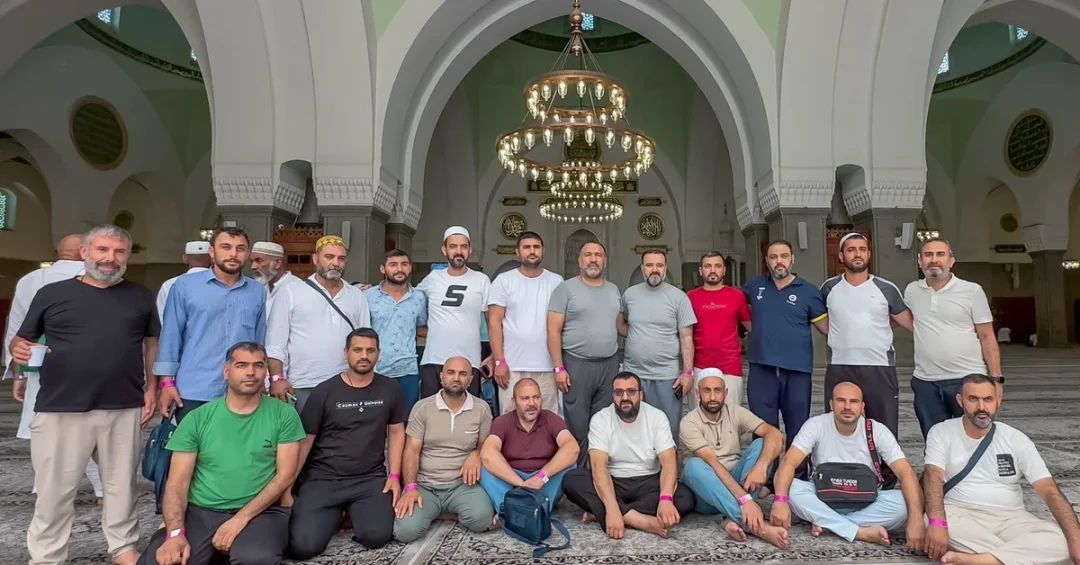
A total of 3,322 pilgrims from 88 countries, participating in the Custodian of the Two Holy Mosques Guests Program for Hajj, Umrah, and Visit, visited the historic site of the Battle of Uhud, Jabal al-Rumah (Mount Rumah), the Cemetery of Uhud Martyrs, and Quba Mosque in Madinah on June 20, 2024. The visit was part of a cultural program organized by the Ministry of Islamic Affairs, Dawah, and Guidance, designed to enrich the pilgrims’ spiritual journey with knowledge of significant Islamic landmarks.
Context and Background
The Custodian of the Two Holy Mosques Guests Program is a flagship initiative that hosts pilgrims from around the world, enabling them to perform Hajj and Umrah and visit Islam’s most revered sites. This year’s program included 3,322 pilgrims from 88 countries, reflecting the Kingdom’s dedication to serving Muslims globally. The cultural visits are integral to the program, offering guests a deeper understanding of Islamic history and the heritage of Madinah, the city of the Prophet Muhammad (peace be upon him).
Key Details
During the visit, the pilgrims explored the site of the Battle of Uhud, where they learned about the historic encounter between the early Muslims and their adversaries. They also visited Jabal al-Rumah (Mount Rumah), the strategic hill where archers were stationed during the battle, and the Cemetery of Uhud Martyrs, paying respects to the companions who sacrificed their lives. The tour concluded at Quba Mosque, the first mosque built in Islam, where pilgrims performed prayers and reflected on its significance.
Several guests expressed their gratitude to the Custodian of the Two Holy Mosques, King Salman bin Abdulaziz Al Saud, and His Royal Highness Prince Mohammed bin Salman bin Abdulaziz Al Saud, Crown Prince and Prime Minister, for the exceptional services provided during the hospitality program. They acknowledged that these efforts facilitated their visits to historical Islamic sites, demonstrating the Kingdom’s care for Islam and Muslims. The guests also extended heartfelt thanks to Minister of Islamic Affairs, Dawah, and Guidance Sheikh Dr. Abdullatif bin Abdulaziz Al Al-Sheikh for his significant efforts in serving the program’s guests and organizing educational visits to prominent historical landmarks.
International Impact
This initiative underscores Saudi Arabia’s pivotal role in uniting Muslims from diverse backgrounds and fostering a sense of community among pilgrims. By providing access to these historical sites, the Kingdom enhances the spiritual experience of visitors and promotes a deeper appreciation of Islamic heritage. The program also strengthens international ties, as pilgrims return to their home countries with positive impressions of Saudi Arabia’s hospitality and organizational excellence.
Vision 2030 Alignment
The Custodian of the Two Holy Mosques Guests Program aligns with Saudi Vision 2030’s goals of enhancing the pilgrimage experience and showcasing the Kingdom’s rich cultural and religious heritage. Through such initiatives, Saudi Arabia continues to demonstrate its commitment to serving Islam and Muslims worldwide, while also positioning itself as a global leader in hospitality and cultural exchange. The Kingdom’s efforts in organizing these visits reflect its dedication to preserving Islamic history and promoting moderation and tolerance.
20 Questions
Q1. What is the Custodian of the Two Holy Mosques Guests Program?
A1. It is a Saudi initiative that hosts pilgrims from around the world to perform Hajj, Umrah, and visit significant Islamic sites, reflecting the Kingdom’s commitment to serving Muslims globally.
Q2. How many pilgrims participated in the recent visit to Uhud and Quba Mosque?
A2. A total of 3,322 pilgrims from 88 countries participated in the visit, which was part of the cultural program organized by the Ministry of Islamic Affairs.
Q3. Which historical sites did the pilgrims visit?
A3. They visited the site of the Battle of Uhud, Jabal al-Rumah (Mount Rumah), the Cemetery of Uhud Martyrs, and Quba Mosque, all located in Madinah.
Q4. Why is the Battle of Uhud significant in Islamic history?
A4. The Battle of Uhud was a major test for the early Muslim community, where many companions were martyred. It holds lessons of sacrifice and perseverance for Muslims.
Q5. What is the significance of Quba Mosque?
A5. Quba Mosque is the first mosque built in Islam, established by Prophet Muhammad (peace be upon him) upon his migration to Madinah. It is a revered site for pilgrims.
Q6. Who organized the cultural program for the pilgrims?
A6. The Ministry of Islamic Affairs, Dawah, and Guidance organized the cultural program, under the leadership of Minister Sheikh Dr. Abdullatif bin Abdulaziz Al Al-Sheikh.
Q7. What did the pilgrims express gratitude for?
A7. They thanked the Saudi leadership for the exceptional services and hospitality, which enabled them to visit historical Islamic sites and deepen their spiritual experience.
Q8. How does this program reflect Saudi Arabia’s care for Islam?
A8. By hosting pilgrims and facilitating visits to holy sites, the program demonstrates the Kingdom’s dedication to serving Islam and Muslims, in line with its role as custodian of the Two Holy Mosques.
Q9. What is the role of the Minister of Islamic Affairs in this program?
A9. The Minister oversees the organization of the program, including educational visits to historical landmarks, ensuring pilgrims receive enriching experiences during their stay.
Q10. How many countries were represented in this visit?
A10. Pilgrims from 88 countries participated, showcasing the global reach of the program and Saudi Arabia’s commitment to international Muslim communities.
Q11. What is Jabal al-Rumah and why is it important?
A11. Jabal al-Rumah, or Mount Rumah, is a hill near Uhud where archers were stationed during the battle. It serves as a historical reminder of the battle’s tactics.
Q12. What is the Cemetery of Uhud Martyrs?
A12. It is the burial site of the companions who were martyred in the Battle of Uhud, including Hamza ibn Abdul-Muttalib, the uncle of Prophet Muhammad (peace be upon him).
Q13. How does this program align with Vision 2030?
A13. It supports Vision 2030 by enhancing the pilgrimage experience, promoting cultural exchange, and showcasing Saudi Arabia’s rich Islamic heritage to the world.
Q14. What impact does the program have on international relations?
A14. It strengthens ties with Muslim-majority countries and fosters goodwill, as pilgrims share positive experiences of Saudi hospitality and organization upon returning home.
Q15. How are pilgrims selected for the program?
A15. Pilgrims are selected based on criteria set by the Saudi authorities, often including religious scholars, community leaders, and individuals who have contributed to Islamic causes.
Q16. What other activities are included in the cultural program?
A16. Besides visiting historical sites, the program includes lectures, guided tours, and interactions with Saudi scholars to educate pilgrims about Islamic history and heritage.
Q17. How does the program promote moderation and tolerance?
A17. By providing accurate historical context and fostering understanding, the program encourages pilgrims to embrace moderation and tolerance, reflecting Saudi Arabia’s message of peace.
Q18. What services are provided to the pilgrims during their stay?
A18. Pilgrims receive comprehensive services including accommodation, transportation, meals, and guided visits, ensuring a comfortable and spiritually fulfilling experience.
Q19. How does the program contribute to Saudi Arabia’s global image?
A19. It portrays the Kingdom as a caring and efficient host, dedicated to serving Islam and Muslims, thereby enhancing its reputation as a global leader in pilgrimage management.
Q20. What future developments are expected for the program?
A20. The program is expected to expand its reach, hosting more pilgrims and incorporating new technologies to improve services, in line with Vision 2030’s goals of continuous improvement.
Reader Feedback
We value your thoughts. Please share your feedback on this article.
Your feedback helps us improve our coverage.