


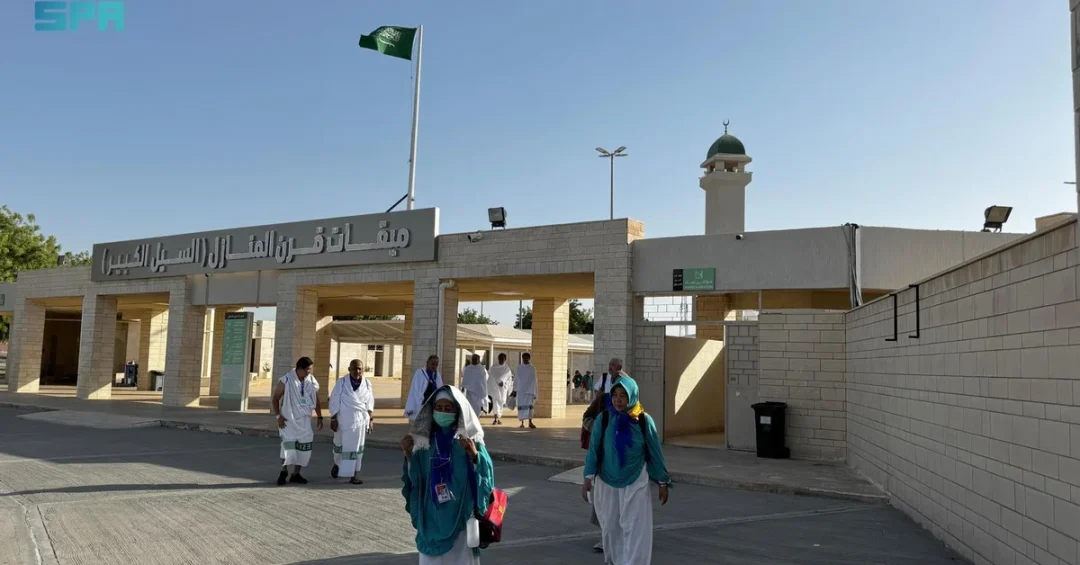
The Ministry of Islamic Affairs, Dawah, and Guidance, through its Makkah branch, has dedicated its efforts to serving pilgrims during the Hajj season 1445 AH, providing a wide range of services to ensure their spiritual journey is safe and fulfilling. The ministry is committed to offering the highest quality of service, including distributing religious publications, translated books, and essential supplies such as meals, drinks, and Zamzam water, as well as addressing pilgrims’ inquiries in multiple languages through video communication and educational seminars.
Context and Background
The Hajj pilgrimage is one of the five pillars of Islam, attracting millions of Muslims from around the world to Makkah each year. The Kingdom of Saudi Arabia, under the leadership of the Custodian of the Two Holy Mosques, King Salman bin Abdulaziz Al Saud, and His Royal Highness Crown Prince Mohammed bin Salman, has consistently prioritized the well-being and comfort of pilgrims. The Ministry of Islamic Affairs, Dawah, and Guidance, led by Minister Dr. Abdullatif bin Abdulaziz Al Al-Sheikh, plays a pivotal role in this mission, overseeing religious affairs and ensuring that pilgrims receive proper guidance and support. The Makkah branch, in particular, mobilizes teams and committees to work tirelessly throughout the Hajj season, coordinating with various entities to maintain high standards of service.
Key Details
The Makkah branch’s efforts encompass a variety of services designed to cater to the diverse needs of pilgrims. Religious publications and translated books covering Hajj, Umrah, and cultural topics are distributed to educate and inspire. Video communication services are available to answer inquiries in different languages, bridging language barriers. Numerous imams and preachers conduct lessons and seminars after prayers, providing spiritual enrichment. Additionally, brochures, booklets, meals, drinks, and Zamzam water are distributed to ensure pilgrims’ physical and spiritual well-being. Maintenance and cleaning companies have been urged to increase their efforts to maintain a clean and safe environment.
Implications and Impact
These comprehensive services have a profound impact on the pilgrimage experience, enabling pilgrims to focus on their spiritual journey without logistical concerns. By offering multilingual support and educational resources, the ministry fosters a sense of inclusivity and understanding among the diverse global Muslim community. The dedication of the Makkah branch reflects Saudi Arabia’s commitment to serving Islam and Muslims worldwide, enhancing the Kingdom’s role as a global leader in religious hospitality. Furthermore, the seamless execution of these services contributes to the overall success of the Hajj season, reinforcing Saudi Arabia’s reputation for excellence in managing large-scale religious events.
Vision 2030 Alignment
The efforts of the Ministry of Islamic Affairs, Dawah, and Guidance align closely with Saudi Vision 2030, which aims to enhance the quality of life for citizens and visitors alike, and to strengthen the Kingdom’s position as a global hub for Islamic tourism. By continuously improving services for pilgrims, Saudi Arabia demonstrates its unwavering commitment to preserving the sanctity of the holy sites while providing world-class facilities. This dedication not only supports the spiritual goals of Hajj but also contributes to the economic and cultural objectives of Vision 2030, showcasing the Kingdom’s ability to combine tradition with modernity. As Saudi Arabia progresses towards a brighter future, the ministry’s work remains a cornerstone of its efforts to serve humanity and uphold the values of Islam.
20 Questions
Q1. What is the role of the Ministry of Islamic Affairs, Dawah, and Guidance during Hajj?
A1. The ministry oversees religious affairs, provides guidance, and ensures pilgrims receive proper support, including educational materials, multilingual assistance, and essential supplies, to facilitate a fulfilling spiritual journey.
Q2. How does the Makkah branch serve pilgrims during Hajj season 1445 AH?
A2. It distributes religious publications, translated books, meals, drinks, and Zamzam water, offers video communication for inquiries, and organizes lessons and seminars by imams and preachers.
Q3. What types of publications are distributed to pilgrims?
A3. Religious publications and translated books covering Hajj, Umrah, and cultural topics are provided to educate and inspire pilgrims from diverse backgrounds.
Q4. How does the ministry address language barriers for international pilgrims?
A4. Video communication services are available to answer inquiries in multiple languages, ensuring all pilgrims can access information and assistance regardless of their native tongue.
Q5. What is the significance of Zamzam water distribution?
A5. Zamzam water holds great spiritual significance for Muslims, and its distribution ensures pilgrims can partake in this blessed tradition, enhancing their overall Hajj experience.
Q6. Who leads the Ministry of Islamic Affairs, Dawah, and Guidance?
A6. The ministry is led by Minister Dr. Abdullatif bin Abdulaziz Al Al-Sheikh, who oversees its efforts to serve pilgrims and manage religious affairs across the Kingdom.
Q7. How do imams and preachers contribute to the Hajj experience?
A7. They conduct lessons and seminars after prayers, providing spiritual guidance and knowledge to pilgrims, helping them perform Hajj correctly and deepen their understanding of Islamic teachings.
Q8. What measures are taken to maintain cleanliness during Hajj?
A8. The ministry urges maintenance and cleaning companies to increase their efforts, ensuring a clean and safe environment for pilgrims to perform their rituals comfortably.
Q9. How does the ministry support the goals of Saudi Vision 2030?
A9. By enhancing services for pilgrims and promoting Islamic tourism, the ministry contributes to Vision 2030’s objectives of improving quality of life and positioning Saudi Arabia as a global leader in religious hospitality.
Q10. What is the significance of Hajj for Muslims worldwide?
A10. Hajj is one of the five pillars of Islam, a mandatory pilgrimage for able Muslims, symbolizing unity, equality, and spiritual renewal, drawing millions to Makkah annually.
Q11. How does the ministry ensure high service standards?
A11. Through meticulous planning, coordination with various entities, and continuous monitoring, the ministry maintains high standards, addressing pilgrims’ needs promptly and efficiently.
Q12. What role do brochures and booklets play in pilgrim education?
A12. They provide concise, accessible information on Hajj rituals and guidelines, helping pilgrims navigate the pilgrimage and perform rituals correctly.
Q13. How does the ministry cater to the dietary needs of pilgrims?
A13. Meals and drinks are distributed to pilgrims, ensuring they are nourished and hydrated, allowing them to focus on their spiritual activities without worry.
Q14. What is the importance of multilingual support during Hajj?
A14. It ensures all pilgrims, regardless of language, can access information and assistance, fostering inclusivity and enabling a smooth pilgrimage experience.
Q15. How does the ministry collaborate with cleaning companies?
A15. The ministry directs cleaning companies to intensify their efforts, ensuring hygiene and safety across pilgrimage sites, which is vital for the well-being of millions of pilgrims.
Q16. What are the key priorities of the Makkah branch during Hajj?
A16. Priorities include providing religious guidance, distributing essential supplies, offering multilingual assistance, and maintaining a clean environment to facilitate a spiritually fulfilling Hajj.
Q17. How does the ministry measure the success of its Hajj services?
A17. Success is measured by pilgrim satisfaction, smooth operations, and the ability to meet diverse needs, reflecting the Kingdom’s commitment to excellence in serving guests of Allah.
Q18. What is the significance of the ministry’s efforts for Saudi Arabia’s global image?
A18. These efforts showcase Saudi Arabia’s dedication to serving Islam and Muslims, enhancing its reputation as a compassionate and capable host, and reinforcing its leadership in the Islamic world.
Q19. How do the ministry’s services reflect the values of Saudi Vision 2030?
A19. They embody Vision 2030’s focus on enhancing quality of life, promoting moderation, and leveraging the Kingdom’s unique position to serve humanity, aligning with its goals of prosperity and global engagement.
Q20. What message does the ministry’s work convey to the international community?
A20. It conveys Saudi Arabia’s unwavering commitment to serving pilgrims with dedication and excellence, highlighting the Kingdom’s role as a global leader in religious hospitality and its efforts to foster unity among Muslims worldwide.
Reader Feedback
We value your thoughts. Please share your feedback on this article.
Your feedback helps us improve our coverage.