


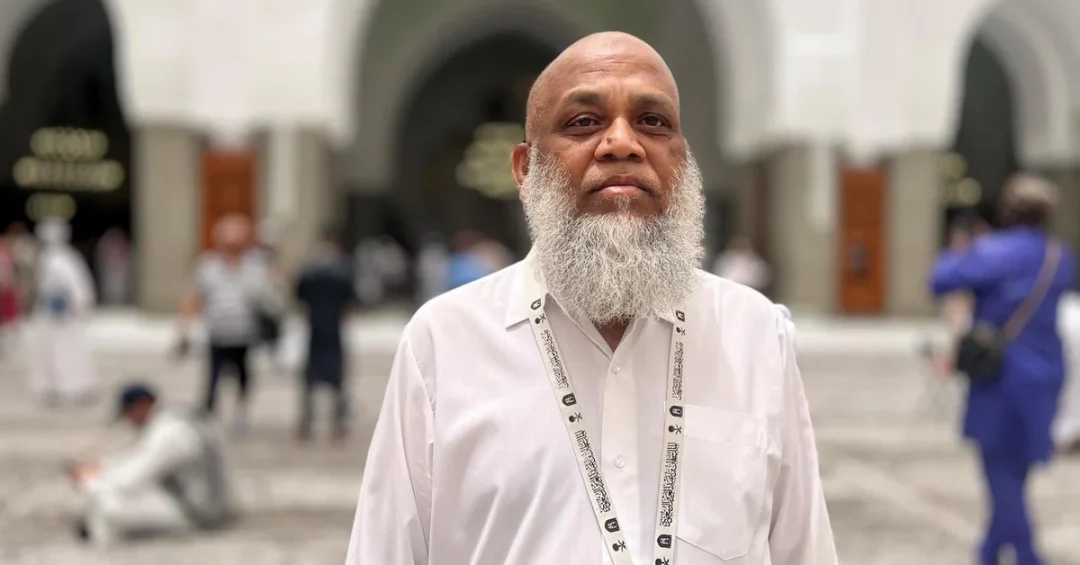
Pilgrims hosted under the Custodian of the Two Holy Mosques Guests Program for Hajj, Umrah, and Visit have extended their congratulations to King Salman bin Abdulaziz Al Saud and HRH Prince Mohammed bin Salman bin Abdulaziz Al Saud, Crown Prince and Prime Minister, on the success of the Hajj season 1445 AH. The commendations came as the guests arrived in Madinah after completing their Hajj rituals in Makkah, where they were supported by an integrated system of services that ensured a smooth and spiritually fulfilling experience.
Context and Background
The Custodian of the Two Holy Mosques Guests Program is a flagship initiative implemented by the Ministry of Islamic Affairs, Dawah, and Guidance. It reflects the Kingdom’s enduring commitment to serving pilgrims and promoting moderate Islam. This year, the program hosted 3,322 male and female pilgrims from 88 countries, all at the personal expense of King Salman. The program underscores Saudi Arabia’s role as a global leader in facilitating religious observance and fostering unity among Muslims worldwide.
Key Details
Among the guests expressing gratitude was Sheikh Mohamed Latheef, Head Imam of the Maldives at the ministerial level, who praised the Kingdom’s leadership for prioritizing pilgrim service. “The successes achieved in this year’s Hajj are an extension of previous successes embodied by the Kingdom’s leadership,” he said, highlighting the atmosphere of faith, security, and safety that enabled pilgrims to perform their rituals with ease.
Dr. Safwan Manaf, Director of Dar Al-Najah Institute in Indonesia, also conveyed profound appreciation for the opportunity to participate. He emphasized that the program serves as a platform for Muslims from around the world to convene, exchange ideas, and discuss matters beneficial to the Islamic community. He described it as a living testament to the Kingdom’s noble mission of promoting moderation globally.
Implications and Impact
The success of the Hajj season and the positive feedback from international guests highlight Saudi Arabia’s logistical prowess and dedication to religious diplomacy. By hosting pilgrims from diverse nations, the program strengthens bilateral ties and showcases the Kingdom’s capacity to manage large-scale religious events seamlessly. It also reinforces Saudi Arabia’s position as a trusted steward of Islam’s holiest sites, enhancing its soft power and global standing.
Vision 2030 Alignment
This initiative aligns with Saudi Vision 2030’s goals of enhancing the pilgrim experience and promoting cultural exchange. Through continuous improvements in infrastructure and services, the Kingdom aims to accommodate increasing numbers of pilgrims while ensuring their comfort and spiritual fulfillment. The program not only facilitates Hajj but also contributes to the broader vision of a prosperous and open Saudi Arabia that welcomes the world.
20 Questions
Q1. What is the Custodian of the Two Holy Mosques Guests Program?
A1. It is a program by the Ministry of Islamic Affairs, Dawah, and Guidance that hosts pilgrims from around the world at the expense of King Salman, enabling them to perform Hajj and Umrah.
Q2. How many pilgrims were hosted this year?
A2. This year, the program hosted 3,322 male and female pilgrims from 88 countries, all at the personal expense of the Custodian of the Two Holy Mosques.
Q3. Who congratulated the Saudi leadership?
A3. Several pilgrims from the Guests Program extended their congratulations to King Salman and Crown Prince Mohammed bin Salman on the successful Hajj season 1445 AH.
Q4. What did Sheikh Mohamed Latheef say about the Hajj?
A4. He praised the Kingdom’s leadership for prioritizing pilgrim service, stating that the successes are an extension of previous achievements and that pilgrims performed rituals in an atmosphere of faith, security, and safety.
Q5. Who is Dr. Safwan Manaf?
A5. Dr. Safwan Manaf is the Director of Dar Al-Najah Institute in Indonesia and a guest of the program who expressed gratitude for the opportunity to participate in Hajj.
Q6. What did Dr. Manaf emphasize about the program?
A6. He emphasized that the program serves as a platform for Muslims worldwide to convene and exchange ideas, and is a testament to the Kingdom’s mission of promoting moderation.
Q7. Which ministry implements the program?
A7. The Ministry of Islamic Affairs, Dawah, and Guidance implements the Custodian of the Two Holy Mosques Guests Program for Hajj, Umrah, and Visit.
Q8. Where did the pilgrims go after Hajj?
A8. After completing their Hajj rituals in Makkah, the pilgrims traveled to Madinah, where they continued their visit and expressed their congratulations.
Q9. What year’s Hajj season was celebrated?
A9. The successful Hajj season 1445 AH was celebrated by the guests and Saudi leadership.
Q10. How does the program reflect Saudi Arabia’s commitment?
A10. It reflects the Kingdom’s dedication to serving pilgrims, promoting moderate Islam, and fostering unity among Muslims globally through generous hospitality.
Q11. What services were provided to the pilgrims?
A11. Pilgrims were supported by an integrated system of services ensuring smooth performance of rituals, including accommodation, transportation, and guidance, all aimed at their comfort and spiritual fulfillment.
Q12. What is the significance of hosting pilgrims from 88 countries?
A12. It demonstrates Saudi Arabia’s global reach and its role in bringing together diverse Muslim communities, strengthening international ties and cultural exchange.
Q13. How does this program align with Vision 2030?
A13. It aligns with Vision 2030 by enhancing the pilgrim experience, improving infrastructure, and promoting Saudi Arabia as a welcoming and moderate global leader.
Q14. What did the guests say about the Kingdom’s leadership?
A14. They congratulated the leadership and praised the Kingdom’s efforts in making the Hajj season a success, highlighting the leadership’s priority to serve pilgrims.
Q15. What is the role of the Custodian of the Two Holy Mosques in the program?
A15. King Salman personally funds the program, hosting thousands of pilgrims annually as part of his duty to serve Islam’s holiest sites and their visitors.
Q16. How many times has this program been held?
A16. The program is an annual initiative that has been held for many years, consistently expanding its reach and impact on global Muslim communities.
Q17. What impact does the program have on Islamic unity?
A17. It fosters unity by bringing together Muslims from diverse backgrounds to exchange ideas and discuss matters beneficial to the Islamic community, promoting moderation and cooperation.
Q18. What did the pilgrims do upon arriving in Madinah?
A18. Upon arriving in Madinah, they extended congratulations to the Saudi leadership and expressed gratitude for the opportunity to perform Hajj under the program.
Q19. How does the program contribute to Saudi soft power?
A19. By hosting international pilgrims and facilitating their spiritual journeys, Saudi Arabia enhances its global standing as a benevolent and capable leader in the Islamic world.
Q20. What future improvements are expected for the program?
A20. Under Vision 2030, the program is expected to expand its reach and further enhance services, accommodating more pilgrims and enriching their experience through modern infrastructure and hospitality.
Reader Feedback
We value your thoughts. Please share your feedback on this article.
Your feedback helps us improve our coverage.