


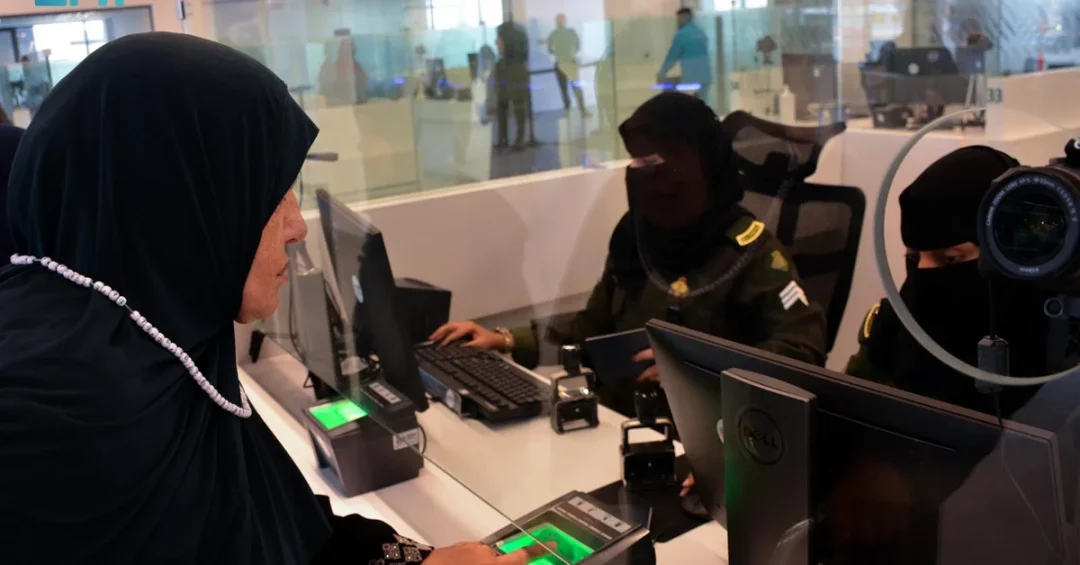
The General Directorate of Passports is continuing to finalize departure procedures for pilgrims at the Halat Ammar crossing in the Tabuk Region following the completion of the 1445 Hajj, the Saudi Press Agency reported on June 21, 2024. The crossing, a vital gateway for pilgrims traveling overland, has been operating at full capacity to ensure a smooth and efficient departure process.
Context and Background
The Halat Ammar crossing, located near the northwestern border of Saudi Arabia, serves as a key exit point for pilgrims returning to their home countries by land after performing Hajj. This year, the crossing has witnessed a significant flow of pilgrims departing after the 1445 Hajj season. The General Directorate of Passports, under the Ministry of Interior, has been tasked with managing these departures in coordination with other relevant authorities.
Hajj is one of the Five Pillars of Islam and requires able-bodied Muslims to perform the pilgrimage to Mecca at least once in their lifetime if they are financially and physically capable. The 1445 Hajj saw millions of pilgrims from around the world, and their safe and orderly return is a top priority for Saudi authorities.
Enhanced Readiness and Facilities
To handle the high volume of departures, the Passports Directorate has reinforced passport platforms with additional manpower and advanced technical devices. These measures are designed to provide all necessary services to facilitate the departure process smoothly and efficiently. The directorate has emphasized its readiness at various international ports across the Kingdom to finalize departure procedures for pilgrims.
Officials at the crossing have been working around the clock to process travel documents, ensure security checks, and assist pilgrims with any inquiries. The directorate has also implemented digital systems to expedite procedures, reflecting the Kingdom’s commitment to leveraging technology for public service improvement.
Operational Efficiency and Pilgrim Support
The General Directorate of Passports has underscored its dedication to providing high-quality services to pilgrims, aligning with the directives of the Saudi leadership to ensure the comfort and safety of guests of God. The directorate’s efforts are part of a broader integrated plan involving various government agencies, including the Ministry of Hajj and Umrah, the Ministry of Health, and security forces.
Pilgrims have expressed appreciation for the streamlined procedures and the hospitality extended by Saudi authorities. The smooth departure process not only enhances the pilgrim experience but also showcases Saudi Arabia’s organizational capabilities in managing large-scale events.
Implications for Future Hajj Seasons
The successful management of departures at Halat Ammar and other ports sets a benchmark for future Hajj seasons. It demonstrates Saudi Arabia’s ability to handle increasing numbers of pilgrims, supported by ongoing infrastructure development and digital transformation initiatives. This aligns with the goals of Saudi Vision 2030 to enhance the quality of services provided to pilgrims and to strengthen the Kingdom’s role as a global leader in hosting religious tourism.
Vision 2030 Alignment
The efficient processing of pilgrims at Halat Ammar reflects the Kingdom’s broader commitment to Vision 2030, which aims to diversify the economy and improve public services. By investing in technology and human resources, Saudi Arabia continues to elevate the Hajj experience, ensuring that pilgrims from around the world can perform their religious duties with ease and return home safely. This dedication not only serves the guests of God but also reinforces the Kingdom’s standing as a responsible and capable global partner.
20 Questions
Q1. What is the Halat Ammar crossing?
A1. Halat Ammar is a border crossing in the Tabuk Region of Saudi Arabia, primarily used by pilgrims traveling overland to and from Hajj. It serves as a key exit point for pilgrims returning to their home countries after the pilgrimage.
Q2. Which authority is responsible for finalizing departure procedures at Halat Ammar?
A2. The General Directorate of Passports, under the Ministry of Interior, is responsible for finalizing departure procedures at Halat Ammar and other international ports across Saudi Arabia.
Q3. When did the 1445 Hajj season conclude?
A3. The 1445 Hajj season concluded in June 2024, with pilgrims completing their rituals and beginning their return journeys. The departure procedures at Halat Ammar were ongoing as of June 21, 2024.
Q4. How has the Passports Directorate enhanced its readiness at the crossing?
A4. The Passports Directorate has reinforced passport platforms with additional manpower and advanced technical devices to facilitate smooth and efficient departures for pilgrims at Halat Ammar and other ports.
Q5. Why is the Halat Ammar crossing important for pilgrims?
A5. Halat Ammar is important because it serves as a major overland route for pilgrims from neighboring countries, allowing them to depart Saudi Arabia conveniently after completing Hajj without needing air travel.
Q6. What measures are in place to ensure smooth departures?
A6. Measures include increased staffing, deployment of modern technology for document processing, and coordination with other agencies to manage crowds and provide assistance to pilgrims throughout the departure process.
Q7. How does the Passports Directorate support pilgrims during departure?
A7. The directorate provides services such as document verification, security checks, and guidance to pilgrims. It also ensures that any issues are addressed promptly to avoid delays and enhance the overall experience.
Q8. What role does technology play in the departure process?
A8. Technology is used to expedite procedures through digital systems, including electronic passport scanning and data management, which help reduce processing times and improve accuracy at the crossing.
Q9. Are there other ports where similar procedures are taking place?
A9. Yes, the Passports Directorate has emphasized its readiness at various international ports across Saudi Arabia, including airports and land crossings, to finalize departure procedures for pilgrims.
Q10. How does this effort align with Saudi Vision 2030?
A10. It aligns with Vision 2030 by improving public services, enhancing the pilgrim experience, and showcasing Saudi Arabia’s capability in managing large-scale religious events efficiently and technologically.
Q11. What is the significance of the 1445 Hajj season?
A11. The 1445 Hajj season was significant as it marked the return to full capacity after pandemic restrictions, with millions of pilgrims performing Hajj, demonstrating Saudi Arabia’s successful management of the event.
Q12. How do pilgrims benefit from the streamlined procedures?
A12. Pilgrims benefit from reduced waiting times, less congestion, and a more organized departure process, allowing them to return home comfortably and with positive memories of their pilgrimage experience.
Q13. What challenges might arise during the departure process?
A13. Challenges include managing large crowds, ensuring security, and handling document issues. The Passports Directorate addresses these by deploying sufficient staff and technology to mitigate any disruptions.
Q14. How does the Passports Directorate coordinate with other agencies?
A14. The directorate coordinates with agencies such as the Ministry of Hajj and Umrah, security forces, and health authorities to ensure a seamless departure process that covers all aspects of pilgrim welfare.
Q15. What feedback have pilgrims given about the departure process?
A15. Pilgrims have generally expressed satisfaction with the streamlined procedures and the hospitality of Saudi authorities, noting the efficiency and helpfulness of staff at the crossing.
Q16. How does the handling of departures reflect on Saudi Arabia’s image?
A16. It reflects positively on Saudi Arabia’s image by demonstrating organizational excellence, hospitality, and commitment to serving pilgrims, reinforcing the Kingdom’s role as a responsible global leader.
Q17. What is the expected duration for pilgrims to complete departure procedures?
A17. The duration varies depending on crowd size, but with enhanced measures, procedures are typically completed swiftly, often within a few hours, ensuring minimal delays for pilgrims.
Q18. Are there any special provisions for elderly or disabled pilgrims?
A18. Yes, Saudi authorities provide special assistance to elderly and disabled pilgrims, including dedicated lanes, wheelchair services, and personnel to help them navigate the departure process with ease.
Q19. How does the Passports Directorate ensure security during departures?
A19. Security is ensured through rigorous checks, surveillance, and coordination with security forces. Advanced technology helps verify identities and detect any irregularities, maintaining a safe environment for all.
Q20. What does the successful departure process signify for future Hajj operations?
A20. It signifies Saudi Arabia’s readiness and capability to manage future Hajj seasons efficiently, setting a standard for operational excellence and continuous improvement in serving the guests of God.
Reader Feedback
We value your thoughts. Please share your feedback on this article.
Your feedback helps us improve our coverage.