


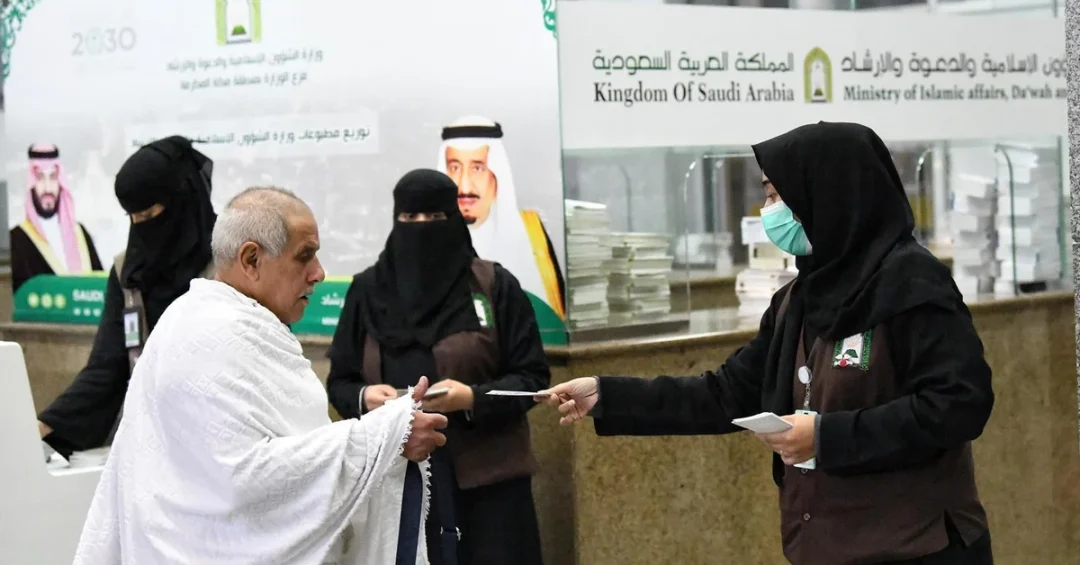
The Ministry of Islamic Affairs, Dawah, and Guidance, through its branch in the Makkah region, has welcomed pilgrims arriving for the Holy Mosque at King Abdulaziz International Airport in Jeddah, Taif International Airport, and Jeddah Islamic Port. The initiative, reported by the Saudi Press Agency (SPA), is part of the Kingdom’s ongoing efforts to serve the guests of Allah and ensure they perform their pilgrimage with ease and in accordance with the correct moderate approach.
Context and Background
Saudi Arabia has a long-standing commitment to facilitating the Hajj and Umrah journeys for millions of Muslims worldwide. The Ministry of Islamic Affairs, Dawah, and Guidance plays a pivotal role in this mission by providing educational and guidance services to pilgrims from the moment they arrive. This year, the ministry’s Makkah branch has intensified its efforts at key entry points, including international airports and seaports, to offer immediate support and resources.
The reception of pilgrims at these ports of entry is a coordinated effort involving various Saudi authorities, all working under the directive of the Custodian of the Two Holy Mosques, King Salman bin Abdulaziz Al Saud, and His Royal Highness Crown Prince Mohammed bin Salman. Their leadership underscores the Kingdom’s dedication to upholding its sacred duty as the custodian of Islam’s holiest sites.
Key Details
Upon arrival, pilgrims were provided with informative guidance booklets designed to educate them on the rituals of Hajj and Umrah. These booklets cover essential aspects of the pilgrimage, ensuring that pilgrims understand the correct practices and can perform their rituals with confidence. Additionally, a quick-response (QR) code was distributed, allowing pilgrims to download key applications on their smart devices. These applications offer step-by-step guidance and support, aligning with the moderate and balanced approach that Saudi Arabia promotes.
Several pilgrims expressed their deep appreciation for the efforts of the Saudi leadership. They praised the continuous support and tireless work in serving the guests of Allah and facilitating their pilgrimage. Such feedback reflects the effectiveness of the Kingdom’s initiatives and its commitment to providing a seamless and spiritually fulfilling experience.
Implications and Impact
The reception and guidance of pilgrims at entry points have significant implications for the overall Hajj and Umrah experience. By equipping pilgrims with the necessary knowledge and tools early on, the Ministry of Islamic Affairs, Dawah, and Guidance helps prevent common mistakes and ensures that rituals are performed correctly. This not only enhances the spiritual journey of individual pilgrims but also contributes to the smooth operation of the entire pilgrimage season.
Moreover, this initiative showcases Saudi Arabia’s logistical capabilities and its ability to manage large-scale religious events. It reinforces the Kingdom’s reputation as a reliable and compassionate host, dedicated to the comfort and well-being of pilgrims. The use of modern technology, such as QR codes and mobile applications, demonstrates Saudi Arabia’s embrace of innovation to improve services, a key pillar of Vision 2030.
Vision 2030 Alignment
This initiative is closely aligned with Saudi Vision 2030, which aims to enhance the quality of services provided to pilgrims and visitors. By leveraging technology and improving infrastructure, the Kingdom seeks to increase the capacity and efficiency of Hajj and Umrah operations. The Ministry of Islamic Affairs, Dawah, and Guidance’s efforts are a testament to the vision’s broader goals of economic diversification, cultural enrichment, and global engagement. As Saudi Arabia continues to welcome millions of pilgrims annually, such measures will further solidify its role as a global leader in serving Islam and Muslims.
20 Questions
Q1. What is the role of the Ministry of Islamic Affairs, Dawah, and Guidance in serving pilgrims?
A1. The Ministry of Islamic Affairs, Dawah, and Guidance is responsible for providing educational and guidance services to pilgrims. It distributes informative booklets and offers support to ensure pilgrims perform their rituals correctly and in accordance with the moderate approach.
Q2. At which entry points did the ministry receive pilgrims?
A2. The ministry received pilgrims at King Abdulaziz International Airport in Jeddah, Taif International Airport, and Jeddah Islamic Port. These are key entry points for pilgrims arriving by air and sea.
Q3. What materials were distributed to the pilgrims?
A3. Pilgrims were given informative guidance booklets that explain the rituals of Hajj and Umrah. Additionally, a QR code was provided to download applications that offer further guidance and support on smart devices.
Q4. How does the QR code assist pilgrims?
A4. The QR code allows pilgrims to quickly download essential applications that provide step-by-step instructions and tips for performing pilgrimage rituals. This digital tool ensures they have access to accurate information at their fingertips.
Q5. What was the reaction of the pilgrims to these efforts?
A5. Several pilgrims praised the tremendous efforts of the Custodian of the Two Holy Mosques and the Crown Prince. They expressed gratitude for the continuous support and dedication to serving the guests of Allah and facilitating their pilgrimage.
Q6. Why is it important to educate pilgrims on the rituals?
A6. Educating pilgrims helps them perform their rituals correctly, avoiding common mistakes. It enhances their spiritual experience and ensures the pilgrimage is conducted according to the teachings of Islam, promoting a moderate and balanced approach.
Q7. How does this initiative reflect Saudi Arabia’s commitment to serving Islam?
A7. It demonstrates Saudi Arabia’s dedication to its role as the custodian of the Two Holy Mosques. By providing guidance and support, the Kingdom ensures that pilgrims from around the world can fulfill their religious obligations with ease and comfort.
Q8. What other authorities are involved in receiving pilgrims?
A8. Various Saudi authorities coordinate to receive pilgrims, including airport and seaport staff, security personnel, and health services. All work together under the leadership’s directives to ensure a smooth and safe arrival process.
Q9. How does the use of technology improve the pilgrimage experience?
A9. Technology, such as QR codes and mobile apps, provides pilgrims with instant access to guidance and information. It streamlines communication, enhances navigation, and helps pilgrims manage their time and rituals more efficiently, contributing to a smoother journey.
Q10. What is the significance of the moderate approach mentioned?
A10. The moderate approach refers to the balanced and tolerant practice of Islam. By promoting this, Saudi Arabia ensures that pilgrims understand and follow the rituals in a way that is both authentic and harmonious, reflecting the true spirit of Islam.
Q11. How does this initiative align with Saudi Vision 2030?
A11. It aligns with Vision 2030 by enhancing the quality of services for pilgrims, leveraging technology, and improving infrastructure. This supports the goal of increasing capacity and efficiency in Hajj and Umrah operations, contributing to economic and cultural growth.
Q12. What benefits do the guidance booklets offer?
A12. The booklets provide comprehensive information on the rituals, including step-by-step instructions and common prayers. They serve as a handy reference for pilgrims, helping them perform their duties correctly and with confidence throughout their pilgrimage.
Q13. How does the ministry ensure the guidance is accessible to all pilgrims?
A13. The ministry distributes materials in multiple languages and uses digital tools like QR codes. This ensures that pilgrims from diverse backgrounds can easily understand and follow the guidance, regardless of their language or tech-savviness.
Q14. What role does the Makkah branch of the ministry play?
A14. The Makkah branch oversees the reception and guidance of pilgrims in the holy city and at entry points. It coordinates with other agencies to provide services and ensures that pilgrims receive the necessary support from the moment they arrive.
Q15. How does this initiative contribute to the Saudi economy?
A15. By facilitating a smooth pilgrimage, Saudi Arabia attracts more pilgrims, boosting sectors like tourism, hospitality, and retail. This contributes to economic diversification and creates job opportunities, aligning with Vision 2030’s economic goals.
Q16. What measures are taken to handle large numbers of pilgrims?
A16. Saudi authorities implement crowd management plans, deploy additional staff, and use technology to monitor and guide pilgrims. These measures ensure safety, order, and efficiency at entry points and throughout the pilgrimage sites.
Q17. How does the ministry address the spiritual needs of pilgrims?
A17. The ministry provides educational materials and guidance that focus on the spiritual aspects of Hajj and Umrah. By ensuring rituals are performed correctly, pilgrims can focus on their devotion and attain a deeper spiritual experience.
Q18. What feedback mechanisms are in place for pilgrims?
A18. Pilgrims can provide feedback through various channels, including suggestion boxes and digital platforms. This feedback helps the ministry and other authorities continuously improve services and address any issues promptly.
Q19. How does this initiative reflect Saudi Arabia’s global leadership?
A19. It showcases Saudi Arabia’s ability to manage a massive international religious event with efficiency and care. By serving pilgrims from around the world, the Kingdom reinforces its leadership role in the Islamic world and beyond.
Q20. What future developments can be expected in pilgrim services?
A20. Under Vision 2030, Saudi Arabia plans to further enhance pilgrim services through technology, infrastructure expansion, and streamlined processes. These developments aim to accommodate more pilgrims and provide an even more seamless and spiritually enriching experience.
Reader Feedback
We value your thoughts. Please share your feedback on this article.
Your feedback helps us improve our coverage.