


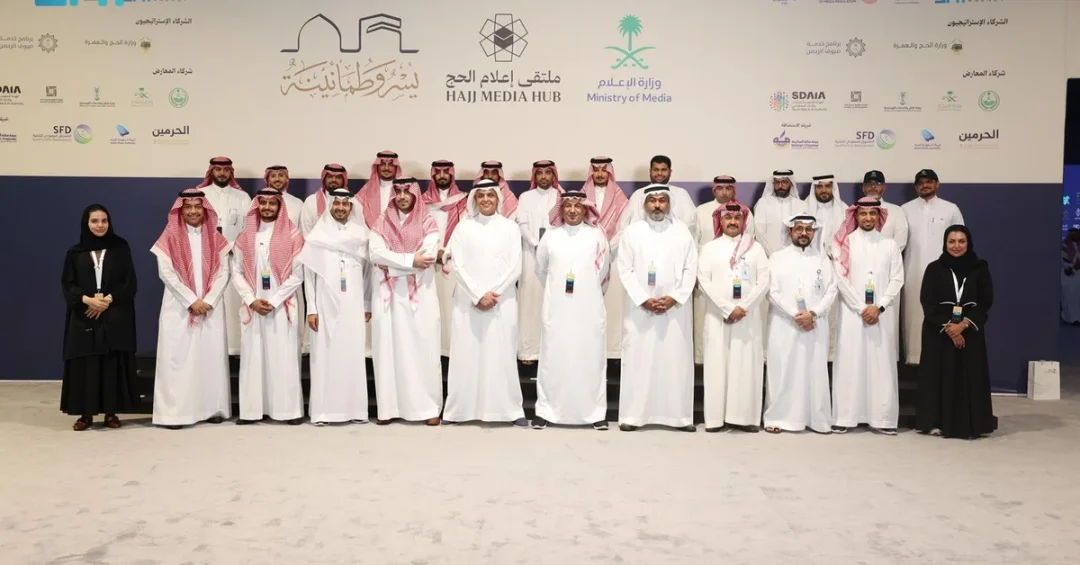
The General Authority of Media Regulation (GAMR) has played a pivotal role in facilitating comprehensive media coverage of Hajj 1445 AH, ensuring that the sacred pilgrimage receives unprecedented global attention. According to the authority, its efforts included assisting international delegations from 35 countries in clearing customs for 2,137 devices, issuing nine permits for satellite uplink vehicles, and coordinating 12 satellite uplink vehicles and TV/radio cars, totaling 119 devices. In all, 4,004 devices belonging to local and international delegations were cleared, enabling seamless broadcasting of Hajj rituals to audiences worldwide.
Context and Background
Hajj, the annual Islamic pilgrimage to Makkah, is one of the largest religious gatherings in the world, drawing millions of Muslims from across the globe. The Kingdom of Saudi Arabia, under the leadership of the Custodian of the Two Holy Mosques, King Salman bin Abdulaziz Al Saud, and His Royal Highness Crown Prince Mohammed bin Salman, has consistently prioritized the safety, comfort, and spiritual experience of pilgrims. A critical component of this mission is ensuring that the world can witness the pilgrimage through high-quality media coverage, which requires robust logistical and regulatory support.
The General Authority of Media Regulation, established to oversee and enhance the media landscape in Saudi Arabia, has been at the forefront of these efforts. By streamlining customs procedures, granting necessary permits, and coordinating with international broadcasters, GAMR has enabled media organizations to deliver real-time, high-definition coverage of Hajj 1445 AH. This support not only showcases the Kingdom’s organizational capabilities but also reinforces its commitment to Vision 2030’s goal of fostering a vibrant media sector that projects Saudi Arabia’s message of peace and hospitality to the world.
Key Details
The scope of GAMR’s support was extensive. For live broadcasts, 22 devices belonging to local and international delegations were cleared, facilitating 690 hours of broadcast for uplink vehicles. Additionally, booking hours for satellite capacities and links in the support centers at the Hajj Media Hub amounted to 21 hours, resulting in a total of 711 hours of live television broadcasting. This extensive airtime allowed global audiences to follow the pilgrimage’s key moments, from the circling of the Kaaba to the standing at Arafat.
Radio coverage was equally robust, with 22 radio stations stationed in Makkah and other holy sites, broadcasting programs in 12 languages. This multilingual approach ensured that the message of Hajj reached diverse audiences, reflecting the pilgrimage’s universal appeal. Furthermore, 10 official broadcast signals for uplinks via satellites used Arabsat systems, highlighting the technical sophistication and reliability of the coverage.
The coordination involved multiple stakeholders, including the Ministry of Media, the Saudi Press Agency (SPA), and various international media outlets. The Hajj Media Hub served as a central nerve center, providing support services such as satellite bookings, technical assistance, and workspace for journalists. This integrated approach exemplifies the Kingdom’s dedication to facilitating accurate and timely reporting of Hajj activities.
International Impact
The successful media coverage of Hajj 1445 AH has significant international implications. By enabling broadcasts in multiple languages and accommodating a vast array of international delegations, Saudi Arabia has demonstrated its role as a global leader in event management and media facilitation. This not only enhances the Kingdom’s image as a modern, open society but also strengthens its soft power and diplomatic ties with countries around the world.
Moreover, the extensive coverage allows Muslims worldwide to participate spiritually in the pilgrimage, fostering a sense of unity and connection. It also provides an opportunity for non-Muslims to gain a deeper understanding of Islamic traditions and the Kingdom’s cultural heritage. The positive portrayal of Hajj in international media can help counter misconceptions and promote intercultural dialogue.
From an economic perspective, the media exposure generated by Hajj coverage can boost tourism and investment by highlighting Saudi Arabia’s infrastructure, hospitality, and business opportunities. Vision 2030 aims to increase the number of pilgrims and promote religious tourism, and such comprehensive media engagement supports these goals by showcasing the Kingdom’s capacity to host large-scale events seamlessly.
Vision 2030 Alignment
The General Authority of Media Regulation’s support for Hajj media coverage is a clear manifestation of Saudi Arabia’s Vision 2030 objectives. Vision 2030 seeks to diversify the economy, enhance the quality of life, and strengthen the Kingdom’s global standing. By facilitating world-class media coverage, GAMR contributes to the development of a dynamic media industry, which is a key pillar of the vision’s cultural and economic transformation.
Furthermore, the emphasis on multilingual broadcasting and international collaboration aligns with Vision 2030’s goal of fostering global engagement and sharing Saudi Arabia’s story with the world. As the Kingdom continues to modernize and open up, such initiatives will play a crucial role in positioning Saudi Arabia as a hub for media, culture, and tourism, in line with the aspirations of its leadership and people.
20 Questions
Q1. What is the General Authority of Media Regulation (GAMR)?
A1. GAMR is the Saudi government body responsible for regulating and supporting media activities in the Kingdom, ensuring high-quality coverage of events like Hajj.
Q2. How many countries received customs clearance assistance from GAMR for Hajj 1445 AH?
A2. GAMR assisted international delegations from 35 countries in clearing customs for 2,137 devices, enabling their media coverage.
Q3. How many satellite uplink permits did GAMR grant?
A3. Nine permits were granted for satellite uplink vehicles, along with 12 satellite uplink vehicles and TV/radio cars, totaling 119 devices.
Q4. What was the total number of devices cleared for local and international delegations?
A4. A total of 4,004 devices were cleared to facilitate comprehensive media coverage of Hajj 1445 AH.
Q5. How many hours of broadcast were achieved for uplink vehicles?
A5. There were 690 hours of broadcast for uplink vehicles, ensuring extensive live coverage.
Q6. What was the total live television broadcasting time?
A6. The booking hours for satellite capacities and links amounted to 21 hours, resulting in a total of 711 hours of live television broadcasting.
Q7. How many radio stations operated in Makkah and other holy sites?
A7. Twenty-two radio stations were stationed in Makkah and other holy sites, broadcasting programs in 12 languages.
Q8. In how many languages did radio stations broadcast?
A8. Radio stations broadcast in 12 languages, reaching diverse audiences worldwide.
Q9. What satellite system was used for official broadcast signals?
A9. Ten official broadcast signals for uplinks via satellites used Arabsat systems, ensuring reliable transmission.
Q10. What is the Hajj Media Hub?
A10. The Hajj Media Hub is a support center providing satellite bookings, technical assistance, and workspace for journalists covering Hajj.
Q11. How many devices were cleared specifically for live broadcasts?
A11. Twenty-two devices belonging to local and international delegations were cleared for live broadcasts.
Q12. What was the purpose of GAMR’s support?
A12. GAMR’s support aimed to ensure high-quality media coverage of Hajj 1445 AH, showcasing the pilgrimage to global audiences.
Q13. Which Saudi leadership is committed to supporting Hajj media coverage?
A13. The Custodian of the Two Holy Mosques, King Salman bin Abdulaziz Al Saud, and Crown Prince Mohammed bin Salman prioritize facilitating Hajj media coverage.
Q14. How does this media coverage align with Vision 2030?
A14. It aligns with Vision 2030 by promoting a vibrant media sector, enhancing global engagement, and showcasing Saudi Arabia’s capabilities.
Q15. What role did the Saudi Press Agency play?
A15. The Saudi Press Agency (SPA) was among the stakeholders coordinating with GAMR to facilitate accurate and timely reporting of Hajj activities.
Q16. What are the international implications of this media coverage?
A16. It strengthens Saudi Arabia’s soft power, fosters intercultural dialogue, and promotes the Kingdom as a global leader in event management.
Q17. How does this coverage benefit Muslims worldwide?
A17. It allows Muslims worldwide to participate spiritually in the pilgrimage, fostering unity and connection with the holy sites.
Q18. What economic benefits can arise from such media exposure?
A18. It can boost tourism and investment by highlighting Saudi Arabia’s infrastructure and business opportunities, supporting Vision 2030 goals.
Q19. How many total hours of live television broadcasting were achieved?
A19. A total of 711 hours of live television broadcasting were achieved, ensuring extensive coverage of Hajj rituals.
Q20. What does this initiative say about Saudi Arabia’s commitment to Hajj?
A20. It demonstrates Saudi Arabia’s unwavering commitment to facilitating Hajj and sharing its spiritual significance with the world through advanced media support.
Reader Feedback
We value your thoughts. Please share your feedback on this article.
Your feedback helps us improve our coverage.