


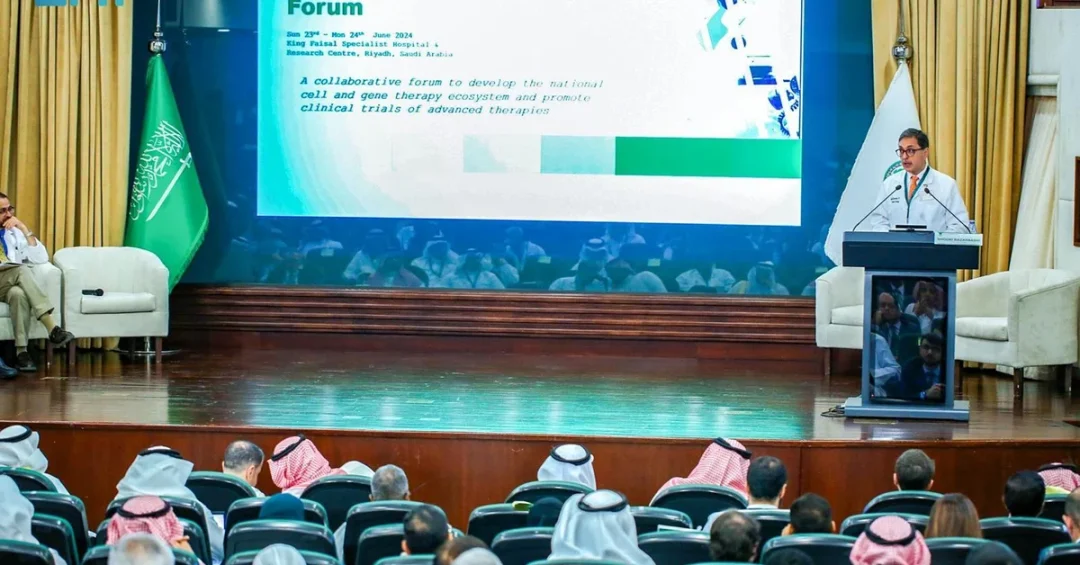
King Faisal Specialist Hospital & Research Centre (KFSHRC) has successfully produced CAR T-cells internally, becoming the first institution in the Kingdom of Saudi Arabia to manufacture this advanced cancer therapy. The milestone, announced by the hospital, reduces treatment costs by approximately 80 percent—from SAR 1.3 million to SAR 250,000—and cuts production time from up to 28 days to just 14 days, significantly improving access for patients across the Kingdom.
Context and Background
CAR T-cell therapy is a form of immunotherapy in which a patient’s own immune cells are genetically modified to recognize and destroy cancer cells. Until now, Saudi patients depended on overseas manufacturing, which introduced logistical hurdles such as cryopreservation, international shipping, and supply chain disruptions. These factors often delayed treatment and increased patient suffering, while making the therapy prohibitively expensive for many families.
Key Details
The breakthrough was announced during the opening of the Advanced Therapies Forum, which aims to expand clinical trials in T-cell and gene therapy. According to a KFSHRC press release, the internal production process leverages advanced bioreactors and cell processing units that adhere to strict regulatory standards. Comprehensive staff training programs ensure the quality and safety of therapeutic products. In the current phase, internally produced T-cells will be offered to patients as part of a clinical trial at KFSHRC.
The hospital stated: “This achievement is part of KFSHRC’s strategy to develop advanced therapies and increase clinical research opportunities, ensuring the delivery of the best possible healthcare for all patients, in line with the hospital’s commitment to enhancing healthcare quality driven by innovation and excellence.”
Implications and Impact
This development positions Saudi Arabia as a regional leader in biotechnology and advanced therapies. By localizing CAR T-cell production, KFSHRC not only reduces costs but also eliminates shipping delays, allowing patients to begin treatment within 14 days. The move supports national efforts to localize biotechnological industries and attract industrial partners to explore clinical research initiatives within the Kingdom. It also signals a shift toward self-sufficiency in cutting-edge medical treatments, potentially benefiting patients across the Middle East.
Vision 2030 Alignment
This achievement aligns with Saudi Vision 2030’s goals of enhancing healthcare quality, fostering innovation, and diversifying the economy through advanced industries. By building local capacity in cell and gene therapy, KFSHRC contributes to a knowledge-based economy and reinforces the Kingdom’s commitment to providing world-class healthcare. As Saudi Arabia continues to invest in biotechnology, such breakthroughs will play a pivotal role in improving patient outcomes and establishing the nation as a global hub for medical research and innovation.
20 Questions
Q1. What is CAR T-cell therapy?
A1. CAR T-cell therapy is a type of immunotherapy where a patient’s immune cells are genetically modified to recognize and attack cancer cells. It represents a cutting-edge advancement in cancer treatment, offering new hope for patients who may not respond to traditional therapies.
Q2. Which institution achieved this milestone?
A2. King Faisal Specialist Hospital & Research Centre (KFSHRC) in Riyadh successfully produced CAR T-cells internally, making it the first in the Kingdom to do so. This reflects KFSHRC’s leadership in advanced medical research and patient care.
Q3. How much does the treatment cost now compared to before?
A3. The cost has dropped from SAR 1.3 million to approximately SAR 250,000 per treatment, an 80% reduction. This makes the therapy far more accessible to patients in Saudi Arabia and demonstrates the economic benefits of local production.
Q4. How long does it take to produce the treatment internally?
A4. Internal production now takes only 14 days, down from the previous 21 to 28 days required when manufacturing was done abroad. This faster turnaround is crucial for patients with aggressive cancers who need timely intervention.
Q5. What challenges did external manufacturing pose?
A5. External manufacturing involved cryopreservation, shipping to overseas centers, and re-shipping back, leading to logistical hurdles, supply chain disruptions, and potential delays in treatment access. These issues often prolonged patient suffering and increased costs.
Q6. Where was the announcement made?
A6. The milestone was announced during the opening of the Advanced Therapies Forum, which aims to increase clinical trials in T-cell and gene therapy and provide patients in the Kingdom with access to novel treatments.
Q7. What is the goal of the Advanced Therapies Forum?
A7. The forum seeks to expand clinical trials in T-cell and gene therapy, offer patients access to cutting-edge treatments, and provide industrial partners opportunities to explore clinical research initiatives at KFSHRC.
Q8. How was KFSHRC able to achieve this?
A8. The achievement resulted from collaboration across hospital departments and the use of an internal T-cell manufacturing center equipped with advanced bioreactors and cell processing units that meet strict regulatory standards for quality and safety.
Q9. What training was required for staff?
A9. Comprehensive staff training programs on the principles and techniques of T-cell manufacturing preceded the initiative, ensuring that personnel are fully equipped to maintain high standards of production and safety.
Q10. Will the treatment be available to all patients immediately?
A10. In the current phase, the internally produced T-cells will be offered to patients as part of a clinical trial at KFSHRC. This step ensures safety and efficacy before broader rollout.
Q11. What are the benefits of local production?
A11. Local production reduces costs, eliminates shipping delays, and accelerates access to treatment. It also supports national efforts to localize biotechnological industries and enhances the Kingdom’s self-sufficiency in advanced healthcare.
Q12. How does this impact cancer patients in Saudi Arabia?
A12. Patients gain faster access to life-saving therapy at a fraction of the previous cost, reducing suffering and improving outcomes. This is particularly important for those with limited treatment options.
Q13. What does KFSHRC say about this achievement?
A13. KFSHRC stated that the achievement is part of its strategy to develop advanced therapies and increase clinical research opportunities, ensuring the delivery of the best possible healthcare for all patients through innovation and excellence.
Q14. How does this align with Saudi Vision 2030?
A14. It aligns with Vision 2030’s goals of enhancing healthcare quality, fostering innovation, and diversifying the economy by building local capacity in biotechnology and advanced therapies, contributing to a knowledge-based economy.
Q15. What is the role of clinical trials in this phase?
A15. Clinical trials are essential to evaluate the safety and efficacy of the internally produced CAR T-cells. They also generate data that can support future regulatory approvals and wider clinical adoption.
Q16. Can other hospitals in Saudi Arabia benefit from this?
A16. As a leading institution, KFSHRC’s breakthrough can serve as a model for other hospitals, potentially leading to broader adoption of CAR T-cell therapy across the Kingdom and enhancing overall healthcare capabilities.
Q17. What are the long-term implications for Saudi healthcare?
A17. The localization of advanced therapies reduces dependency on foreign manufacturing, builds local expertise, and positions Saudi Arabia as a regional hub for medical innovation, ultimately improving patient outcomes and healthcare sustainability.
Q18. How does this affect medical research in the Kingdom?
A18. It boosts clinical research opportunities, attracts industrial partners, and fosters collaboration, advancing Saudi Arabia’s standing in biotechnology and gene therapy research on a global scale.
Q19. What types of cancer can CAR T-cell therapy treat?
A19. CAR T-cell therapy is primarily used for certain blood cancers, such as leukemia and lymphoma. Ongoing research is exploring its application for other cancer types, offering hope for broader use in the future.
Q20. What is the next step for KFSHRC?
A20. KFSHRC will continue clinical trials, gather data, and work toward expanding access to internally produced CAR T-cells, furthering its mission to deliver innovative healthcare solutions in line with Vision 2030.
Reader Feedback
We value your thoughts. Please share your feedback on this article.
Your feedback helps us improve our coverage.