


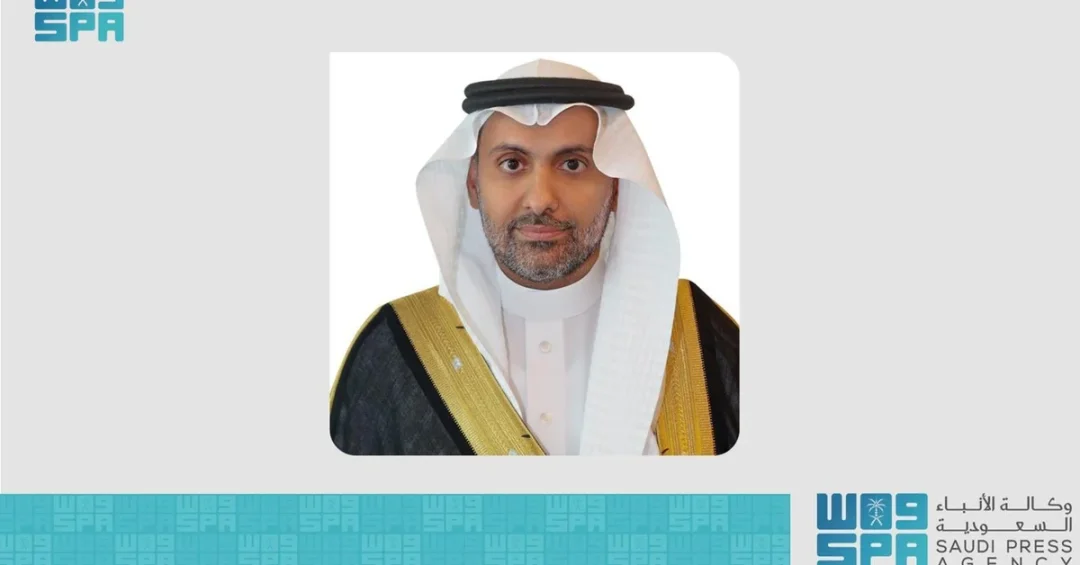
Saudi Arabia’s Minister of Health, Fahd Al-Jalajel, announced that the Kingdom’s health system delivered over 1.3 million preventive and treatment services to pilgrims during the 2024 Hajj season, with no outbreaks of epidemics or widespread diseases reported. The comprehensive effort, carried out in coordination with Hajj security forces, successfully mitigated the effects of extreme heat at the Holy Sites, underscoring the Kingdom’s commitment to the safety and well-being of all pilgrims.
Context and Background
The Hajj pilgrimage, one of the five pillars of Islam, draws millions of Muslims from around the world to Mecca each year. Managing the health and safety of such a massive gathering is a monumental logistical challenge, particularly amid the high temperatures that characterized this year’s season. The Saudi Ministry of Health, under the leadership of Minister Fahd Al-Jalajel, implemented a multi-layered strategy that began well before pilgrims arrived in the Kingdom, including awareness campaigns at air, sea, and land border crossings.
This proactive approach reflects Saudi Arabia’s broader commitment to enhancing the pilgrimage experience, a key objective of Vision 2030, which seeks to elevate the quality of services provided to the Guests of God.
Key Details
In a media interview, Minister Al-Jalajel provided a detailed account of the health services rendered. The health system offered over 465,000 specialized treatment services, including 141,000 to individuals who did not obtain official authorization to perform Hajj. Approximately 1.3 million preventive services were delivered, encompassing early detection, vaccinations, and medical care upon arrival.
Advanced medical interventions included open-heart surgeries, cardiac catheterization, dialysis, and emergency care. More than 30,000 ambulance services were dispatched, alongside 95 air ambulance operations, ensuring rapid access to advanced health services across medical cities in the Kingdom. Nearly 6,500 beds and rooms were made available to accommodate patients.
Despite these efforts, the Minister reported that 1,301 pilgrims tragically lost their lives, with 83 percent of the deceased being unauthorized to perform Hajj and having walked long distances under direct sunlight without adequate shelter. Among the deceased were several elderly and chronically ill individuals. Al-Jalajel extended his condolences, stating, “May Allah forgive and have mercy on the deceased. Our heartfelt condolences go to their families. May Allah accept their deeds and grant them recompense for their suffering.” He also noted that all reports were compiled, families notified, and identification completed, with proper processes followed for burial and honoring the deceased, including the issuance of death certificates.
To combat heat stress, the health authorities developed devices enabling rapid and effective rescue of affected individuals. The Minister highlighted the positive impact of these measures and the swift response of health teams and Hajj security forces in reducing heat-related incidents.
Implications and Impact
The successful management of health services during Hajj 2024 demonstrates Saudi Arabia’s capability to handle large-scale public health challenges. The absence of epidemic outbreaks and the effective mitigation of heat stress reflect the robustness of the Kingdom’s health infrastructure and its ability to deploy resources swiftly. This achievement enhances Saudi Arabia’s standing as a reliable and compassionate host for the annual pilgrimage, reinforcing its role as the guardian of Islam’s holiest sites.
Furthermore, the provision of free health services to all pilgrims, including unauthorized individuals, underscores the Kingdom’s inclusive approach and commitment to humanitarian values. The experience gained from this year’s Hajj will inform future planning, ensuring even higher standards of care and safety for the growing number of pilgrims expected in the coming years.
Vision 2030 Alignment
This accomplishment aligns closely with Saudi Arabia’s Vision 2030, which aims to enhance the quality of life for citizens and visitors alike. By continuously improving Hajj services, the Kingdom demonstrates its dedication to facilitating the spiritual journey of millions while prioritizing their health and safety. The integration of advanced medical technologies and coordinated efforts across government entities exemplifies the visionary leadership driving Saudi Arabia toward a prosperous and resilient future. As the Kingdom prepares for future Hajj seasons, these achievements lay a solid foundation for sustained excellence in pilgrimage management, further solidifying Saudi Arabia’s global leadership in service and innovation.
20 Questions
Q1. What did the Minister of Health announce regarding the 2024 Hajj season?
A1. Minister Fahd Al-Jalajel announced that over 1.3 million medical services were provided to pilgrims, with no outbreaks of epidemics or widespread diseases, and health protocols effectively mitigated heat stress.
Q2. How many specialized treatment services were offered during Hajj 2024?
A2. The health system provided over 465,000 specialized treatment services, including 141,000 services to pilgrims who did not obtain official authorization to perform Hajj.
Q3. What was the total number of preventive services delivered?
A3. Approximately 1.3 million preventive services were delivered, including early detection, vaccinations, and medical care upon arrival, starting even before pilgrims reached the Kingdom.
Q4. How did the health system address heat stress cases?
A4. The health authorities developed devices for rapid and effective rescue of affected individuals and implemented awareness programs, while Hajj security forces supported efforts to reduce heat stress effects.
Q5. What was the number of mortalities reported, and what percentage were unauthorized pilgrims?
A5. There were 1,301 mortalities, with 83 percent being unauthorized to perform Hajj and having walked long distances under direct sunlight without adequate shelter.
Q6. What advanced medical services were provided to pilgrims?
A6. Services included open-heart surgeries, cardiac catheterization, dialysis, and emergency care, along with over 30,000 ambulance services and 95 air ambulance operations.
Q7. How many beds and rooms were made available for pilgrims?
A7. The healthcare system made available nearly 6,500 beds and rooms to accommodate pilgrims requiring medical care during the Hajj season.
Q8. What did Minister Al-Jalajel say about the deceased?
A8. He extended condolences, stating, “May Allah forgive and have mercy on the deceased,” and noted that proper processes were followed for identification, burial, and honoring the deceased.
Q9. How did the Ministry of Health raise awareness about heat stress?
A9. Awareness programs were conducted at air, sea, and land border crossings, emphasizing the dangers of heat stress and the importance of preventive measures.
Q10. What role did Hajj security forces play in health management?
A10. Hajj security forces provided effective support in managing and reducing the effects of heat stress, coordinating closely with health teams to ensure pilgrim safety.
Q11. When did the provision of free health services to pilgrims begin?
A11. The provision of free health services commenced even before pilgrims’ arrival, with programs at border crossings and continued throughout their stay in the Holy Sites.
Q12. How were identification and burial processes handled for the deceased?
A12. All reports were compiled, families notified, and identification completed despite initial lack of documents, with proper processes followed for burial and death certificates provided.
Q13. What was the overall health condition of pilgrims during Hajj 2024?
A13. Minister Al-Jalajel expressed reassurance about the overall health condition of pilgrims despite high temperatures, highlighting the positive impact of swift responses and effective support.
Q14. How does this achievement reflect Saudi Arabia’s commitment to pilgrims?
A14. It demonstrates the Kingdom’s dedication to providing top-tier health services and ensuring the safety and well-being of all pilgrims, in line with its role as the guardian of Islam’s holiest sites.
Q15. What technologies were developed to combat heat stress?
A15. Devices enabling rapid and effective rescue of individuals affected by heat stress were developed and deployed, contributing to the reduction of heat-related incidents.
Q16. How many air ambulance operations were conducted?
A16. A total of 95 air ambulance operations were carried out to deliver advanced health services in medical cities across the Kingdom.
Q17. What categories of pilgrims received treatment?
A17. Both authorized and unauthorized pilgrims received treatment, with 141,000 services provided to those without official authorization, reflecting an inclusive approach to care.
Q18. How did the health system coordinate with other authorities?
A18. The health system coordinated with Hajj security forces and other competent authorities to manage health services, raise awareness, and respond swiftly to emergencies.
Q19. What lessons were learned for future Hajj seasons?
A19. The experience gained will inform future planning, ensuring higher standards of care and safety for the growing number of pilgrims expected in coming years.
Q20. How does this align with Vision 2030?
A20. It aligns with Vision 2030’s goal to enhance quality of life and services for visitors, showcasing Saudi Arabia’s commitment to innovation and excellence in pilgrimage management.
Reader Feedback
We value your thoughts. Please share your feedback on this article.
Your feedback helps us improve our coverage.