


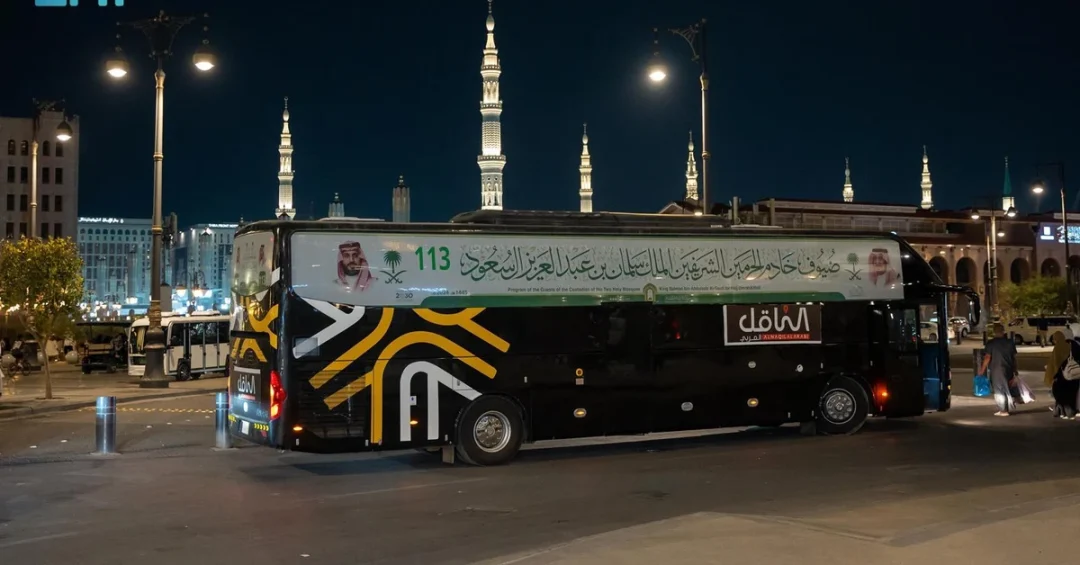
A total of 2,322 male and female Hajj pilgrims hosted by the Program of the Guests of the Two Holy Mosques for Hajj, Umrah, and Visitation have departed Saudi Arabia for their home countries, the Saudi Press Agency reported on June 23, 2024. The pilgrims, including individuals from Palestine, completed a smooth and convenient Hajj journey, benefiting from a comprehensive range of integrated services. They also had the privilege of visiting the Prophet’s Mosque in Madinah and sending greetings to the Prophet—peace be upon him.
Context and Background
The Program of the Guests of the Two Holy Mosques for Hajj, Umrah, and Visitation is a flagship initiative that reflects Saudi Arabia’s commitment to serving pilgrims from around the world. Organized under the guidance of the Custodian of the Two Holy Mosques, King Salman bin Abdulaziz Al Saud, and Crown Prince Mohammed bin Salman, the program hosts thousands of pilgrims annually, particularly those from challenging circumstances or with limited means. This year’s edition welcomed 2,322 guests who experienced a fully facilitated Hajj, including cultural and scientific activities, as well as visits to significant cultural landmarks in the holy cities of Makkah and Madinah.
Key Details
The pilgrims departed through Prince Mohammad bin Abdulaziz International Airport in Madinah after completing their Hajj rites. Throughout their stay, they were provided with integrated services encompassing transportation, accommodation, meals, and spiritual guidance. The program also included visits to historical and religious sites, enriching their pilgrimage experience. The guests expressed deep appreciation to Saudi Arabia’s leadership for enabling them to perform Hajj, the fifth pillar of Islam. They commended the generosity they received since their arrival and praised the remarkable projects and services at the Two Holy Mosques. Additionally, they thanked the Ministry of Islamic Affairs, Dawah and Guidance and all parties involved in this distinguished global program.
Implications and Impact
This initiative underscores Saudi Arabia’s pivotal role in facilitating Hajj for Muslims worldwide, fostering international goodwill and demonstrating the Kingdom’s logistical capabilities. By hosting pilgrims from diverse backgrounds, including Palestine, Saudi Arabia reinforces its commitment to Islamic solidarity and humanitarian values. The program also showcases the Kingdom’s advanced infrastructure and services, which enhance the spiritual journey of millions. The successful departure of these guests highlights the seamless coordination among various Saudi authorities, further solidifying Saudi Arabia’s reputation as a trusted steward of the Two Holy Mosques.
Vision 2030 Alignment
The Guests of the Two Holy Mosques Program aligns closely with Saudi Vision 2030, which aims to enhance the quality of life for citizens and visitors, promote cultural exchange, and strengthen the Kingdom’s global standing. By investing in pilgrimage services and infrastructure, Saudi Arabia seeks to accommodate an increasing number of pilgrims while ensuring a fulfilling and safe experience. This initiative also contributes to the economic diversification goals by boosting tourism and showcasing the Kingdom’s hospitality. As Saudi Arabia continues to modernize under Vision 2030, programs like this exemplify its dedication to serving Islam and Muslims globally.
20 Questions
Q1. How many pilgrims departed Saudi Arabia after the Hajj program?
A1. A total of 2,322 male and female pilgrims hosted by the Program of the Guests of the Two Holy Mosques departed Saudi Arabia for their home countries after completing Hajj.
Q2. Which airport did the pilgrims use for departure?
A2. The pilgrims departed through Prince Mohammad bin Abdulaziz International Airport in Madinah, which is a key gateway for pilgrims visiting the holy cities.
Q3. What program hosted these pilgrims?
A3. The Program of the Guests of the Two Holy Mosques for Hajj, Umrah, and Visitation hosted the pilgrims, reflecting Saudi Arabia’s commitment to serving guests of the holy sites.
Q4. Did the program include pilgrims from Palestine?
A4. Yes, the program included pilgrims from Palestine, among others, demonstrating Saudi Arabia’s inclusive approach to hosting Muslims from diverse backgrounds and regions.
Q5. What activities were offered during the program?
A5. The program offered cultural and scientific activities, visits to significant cultural landmarks in Makkah and Madinah, and integrated services for a smooth Hajj journey.
Q6. Which ministry was thanked by the pilgrims?
A6. The pilgrims expressed appreciation to the Ministry of Islamic Affairs, Dawah and Guidance, along with all parties involved in organizing the distinguished global program.
Q7. What did the pilgrims commend about Saudi Arabia?
A7. The pilgrims commended Saudi Arabia’s leadership for enabling them to perform Hajj, the generosity they received, and the remarkable projects and services at the Two Holy Mosques.
Q8. Where did the pilgrims visit in Madinah?
A8. In Madinah, the pilgrims visited the Prophet’s Mosque, where they had the privilege of sending greetings to the Prophet—peace be upon him.
Q9. What is the significance of Hajj in Islam?
A9. Hajj is the fifth pillar of Islam, a mandatory religious duty for able Muslims to perform at least once in their lifetime, symbolizing unity and devotion to God.
Q10. How does the program reflect Saudi Arabia’s role?
A10. The program reflects Saudi Arabia’s pivotal role in facilitating Hajj for Muslims worldwide, showcasing its logistical capabilities and commitment to Islamic solidarity and humanitarian values.
Q11. What services were provided to the pilgrims?
A11. Pilgrims received integrated services including transportation, accommodation, meals, spiritual guidance, and visits to historical and religious sites, ensuring a fulfilling pilgrimage experience.
Q12. When did the pilgrims depart?
A12. The pilgrims departed on June 23, 2024, as reported by the Saudi Press Agency, after completing all Hajj rites and activities in Makkah and Madinah.
Q13. How does this program align with Vision 2030?
A13. The program aligns with Vision 2030 by enhancing quality of life, promoting cultural exchange, strengthening global standing, and boosting tourism through improved pilgrimage services and infrastructure.
Q14. What did the pilgrims say about their experience?
A14. The pilgrims expressed deep appreciation for the smooth and convenient journey, the generosity received, and the remarkable projects and services at the Two Holy Mosques.
Q15. Who oversees the Guests of the Two Holy Mosques Program?
A15. The program is overseen under the guidance of the Custodian of the Two Holy Mosques, King Salman bin Abdulaziz Al Saud, and Crown Prince Mohammed bin Salman.
Q16. What cultural landmarks were visited?
A16. The pilgrims visited significant cultural landmarks in the holy cities of Makkah and Madinah, enriching their spiritual and cultural understanding of the region.
Q17. How many pilgrims does the program host annually?
A17. The program hosts thousands of pilgrims annually, particularly those from challenging circumstances or with limited means, ensuring they can perform Hajj with ease.
Q18. What was the pilgrims’ feedback on Saudi hospitality?
A18. The pilgrims commended the generosity and hospitality they received since their arrival in the Kingdom, praising the seamless organization and care provided throughout their stay.
Q19. What is the role of the Ministry of Islamic Affairs in this program?
A19. The Ministry of Islamic Affairs, Dawah and Guidance plays a key role in organizing and facilitating the program, ensuring pilgrims receive necessary support and services.
Q20. How does this initiative impact Saudi Arabia’s global image?
A20. The initiative enhances Saudi Arabia’s global image by demonstrating its dedication to serving Islam, fostering international goodwill, and showcasing its advanced infrastructure and organizational capabilities.
Reader Feedback
We value your thoughts. Please share your feedback on this article.
Your feedback helps us improve our coverage.