


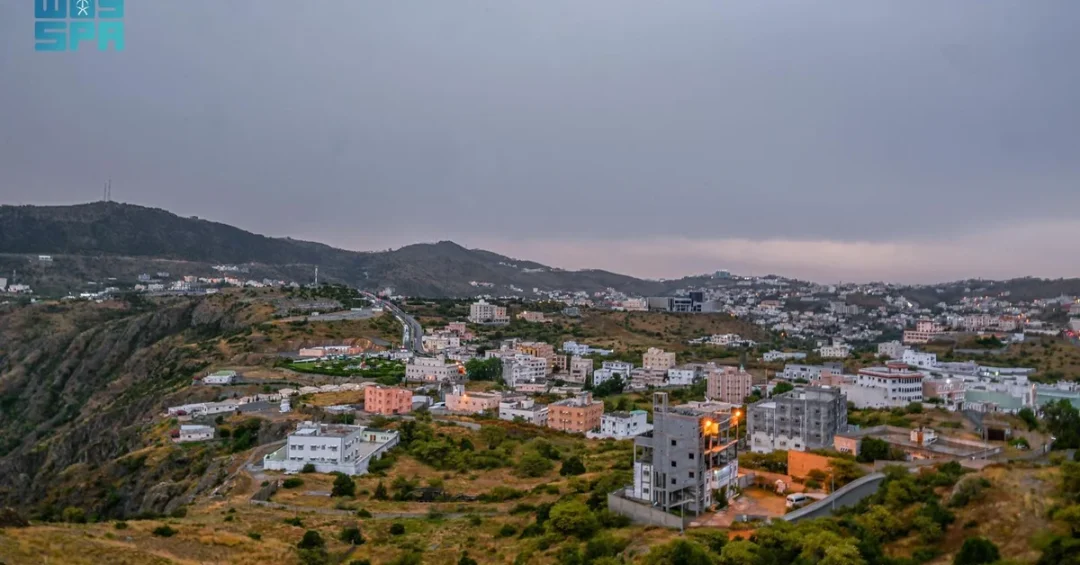
Al-Baha region received scattered showers yesterday, with some areas experiencing moderate rainfall accompanied by thunderstorms, according to the Saudi Press Agency (SPA). The precipitation soaked the land and caused valleys and streams to flow, reaching Al-Baha city and its outskirts, parts of Baljurashi and Al Makhwah governorates along with their affiliated centers, and many parks across the region.
Context and Background
Al-Baha, located in the southwestern part of the Kingdom of Saudi Arabia, is known for its mountainous terrain and cooler climate, making it a distinctive region for agriculture and tourism. Rainfall in this area is particularly significant as it supports local ecosystems, replenishes groundwater, and enhances the region’s natural beauty, which attracts visitors throughout the year.
The Saudi Press Agency reported that the showers were scattered, with moderate intensity in some areas, and were accompanied by thunderstorms. Such weather events are not uncommon in Al-Baha during certain seasons, but they remain vital for sustaining the region’s environmental and economic activities.
Key Details
The rainfall reached Al-Baha city and its outskirts, as well as parts of Baljurashi and Al Makhwah governorates and their affiliated centers. Many parks in the region also received rain, providing a refreshing boost to these public spaces. The flow of valleys and streams indicates a substantial amount of water, which can benefit local agriculture and water reserves.
According to the SPA, the rain soaked the land, which is crucial for the region’s fertile soil and crops. The thunderstorms that accompanied the rainfall did not cause any reported damage, but they contributed to the atmospheric conditions that led to the precipitation.
Implications and Impact
The rainfall in Al-Baha has several positive implications. For local farmers, it provides essential irrigation for crops such as fruits, vegetables, and coffee, which are staples in the region. The replenishment of groundwater is also critical for long-term water sustainability. Additionally, the scenic beauty of Al-Baha, enhanced by rain, is likely to attract more tourists, boosting the local economy and supporting the Kingdom’s tourism goals.
On a broader scale, such weather events highlight the importance of environmental stewardship and the need for continued investment in water management infrastructure. Saudi Arabia has been actively working on projects to enhance water security and promote sustainable development, aligning with Vision 2030 objectives.
Vision 2030 Alignment
This rainfall event aligns with Saudi Arabia’s Vision 2030 by contributing to environmental sustainability and supporting the growth of the tourism sector. Al-Baha is part of the Kingdom’s efforts to diversify the economy and promote domestic and international tourism. The region’s natural attractions, including its parks and valleys, are integral to these efforts. As Saudi Arabia continues to develop its tourism infrastructure, events like this underscore the importance of preserving natural resources and promoting responsible environmental practices. The Kingdom remains committed to achieving a sustainable future, where natural resources are managed wisely and communities thrive.
20 Questions
Q1. What type of weather did the Al-Baha region experience?
A1. The Al-Baha region experienced scattered showers with some areas receiving moderate rain, accompanied by thunderstorms, as reported by the Saudi Press Agency.
Q2. Which areas within Al-Baha received rainfall?
A2. Rainfall reached Al-Baha city and its outskirts, parts of Baljurashi and Al Makhwah governorates and their affiliated centers, as well as many parks in the region, according to SPA.
Q3. What were the effects of the rainfall on the land?
A3. The rain soaked the land and caused valleys and streams to flow, which is beneficial for agriculture and groundwater replenishment in the region.
Q4. Which agency reported the rainfall in Al-Baha?
A4. The Saudi Press Agency (SPA) reported the rainfall event, providing details about the affected areas and the nature of the precipitation.
Q5. What is the significance of rainfall for Al-Baha’s agriculture?
A5. Rainfall provides essential irrigation for crops such as fruits, vegetables, and coffee, supporting the region’s agricultural productivity and local farmers’ livelihoods.
Q6. How does rainfall affect the parks in Al-Baha?
A6. The rain refreshes and nourishes the parks, enhancing their greenery and making them more attractive for visitors and local residents to enjoy.
Q7. What caused the valleys and streams to flow?
A7. The moderate to heavy rainfall, accompanied by thunderstorms, caused water to accumulate and flow through valleys and streams in the region.
Q8. Which governorates were specifically mentioned as receiving rain?
A8. Baljurashi and Al Makhwah governorates, along with their affiliated centers, were specifically mentioned as receiving rainfall, according to the SPA report.
Q9. Did the thunderstorms cause any damage?
A9. The SPA report did not mention any damage from the thunderstorms; they were part of the weather system that brought beneficial rain to the region.
Q10. How does this rainfall benefit groundwater reserves?
A10. The rainfall infiltrates the soil and replenishes groundwater reserves, which are crucial for long-term water sustainability in the region.
Q11. What is the climate of Al-Baha generally like?
A11. Al-Baha has a mountainous terrain and a cooler climate compared to other parts of Saudi Arabia, making it suitable for agriculture and tourism.
Q12. How does rainfall in Al-Baha align with Saudi Vision 2030?
A12. Rainfall supports environmental sustainability and tourism, aligning with Vision 2030 goals of economic diversification and promoting natural attractions.
Q13. What role does the Saudi Press Agency play in reporting such events?
A13. The Saudi Press Agency is the official news agency of Saudi Arabia, providing accurate and timely information about weather events and other developments across the Kingdom.
Q14. Are there any economic benefits of rainfall for Al-Baha?
A14. Yes, rainfall boosts agricultural output and attracts tourists to the region’s scenic landscapes, contributing to the local economy and job creation.
Q15. What should residents do during thunderstorms?
A15. Residents should stay indoors, avoid valleys and streams, and follow safety guidelines issued by local authorities to ensure their well-being during thunderstorms.
Q16. How often does Al-Baha receive rainfall?
A16. Al-Baha receives rainfall periodically, especially during certain seasons, but each event is significant for its environmental and agricultural impact.
Q17. What are the main crops grown in Al-Baha?
A17. Main crops include fruits like pomegranates and grapes, vegetables, and coffee, which benefit from the region’s fertile soil and rainfall.
Q18. How does the government support farmers after rainfall?
A18. The government provides agricultural extensions, subsidies, and water management support to help farmers maximize the benefits of rainfall and maintain sustainable practices.
Q19. What is the significance of Al-Baha’s parks receiving rain?
A19. The rain enhances the parks’ beauty and biodiversity, making them more enjoyable for visitors and supporting the region’s tourism objectives.
Q20. What does the flow of valleys and streams indicate?
A20. It indicates a substantial amount of water, which can be utilized for irrigation and contributes to the overall water resources of the region.
Reader Feedback
We value your thoughts. Please share your feedback on this article.
Your feedback helps us improve our coverage.