


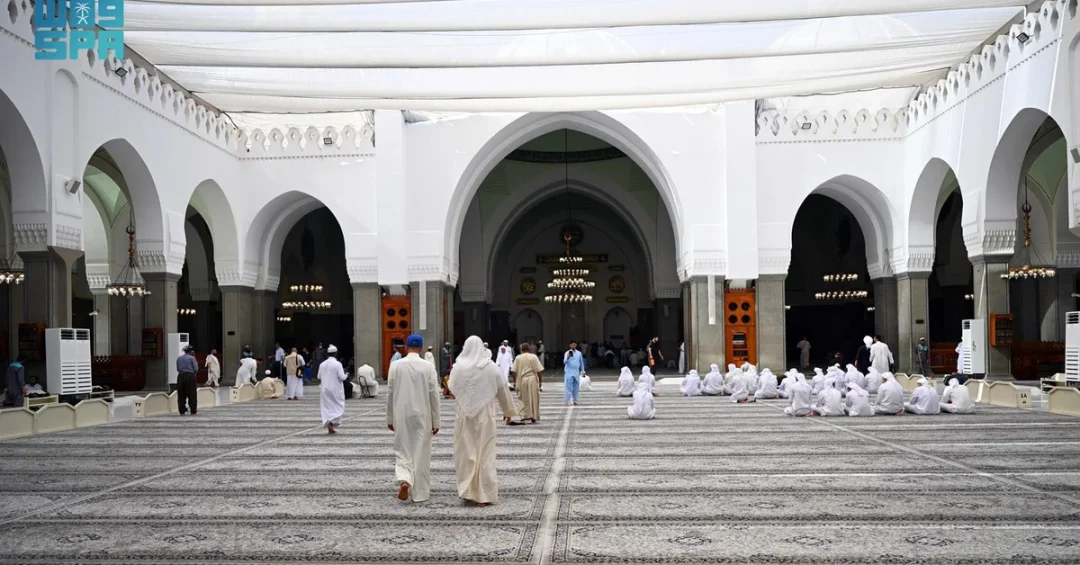
Pilgrims arriving in Madinah at the conclusion of their Hajj journey are receiving comprehensive integrated services from government and volunteer agencies, ensuring a comfortable and spiritually fulfilling experience in the city of the Prophet. The Saudi Press Agency reported that pilgrims of diverse nationalities are converging on Madinah, where authorities have implemented a range of measures to facilitate worship and a smooth conclusion to their spiritual journey.
Context and Background
Madinah, the second holiest city in Islam, holds profound significance for pilgrims performing Hajj. Many choose to visit Madinah before or after the main Hajj rituals in Makkah to pay their respects at the Prophet’s Mosque and other historic sites. The end of Hajj sees a significant influx of pilgrims to Madinah, requiring meticulous planning and coordination among various government bodies and volunteer organizations. The Saudi leadership has consistently emphasized the importance of providing the highest level of care and hospitality to all pilgrims, in line with the Kingdom’s role as the custodian of the Two Holy Mosques.
Key Details
At the Quba Mosque, one of the most revered sites in Madinah, authorities have carefully prepared the facilities to handle the large number of visitors. The Saudi Press Agency captured the arrival of pilgrims from various countries, highlighting the orderly entry and exit processes, the provision of cold Zamzam water, and the availability of parking spaces on both the northern and southern sides of the mosque. Volunteers are actively distributing cold water bottles in the courtyards, a crucial service given the high temperatures during this period. Additionally, guidance services are available to assist pilgrims, and electric vehicles have been arranged to help elderly and disabled visitors access all areas comfortably. These measures reflect the comprehensive approach taken by Saudi authorities to ensure that every pilgrim can perform their rituals with ease and peace of mind.
Implications and Impact
The integrated services provided to pilgrims in Madinah have far-reaching implications. They demonstrate Saudi Arabia’s unwavering commitment to serving the guests of God, a responsibility that resonates deeply with the Islamic world. The smooth operation of these services enhances the Kingdom’s reputation as a capable and compassionate host, reinforcing its leadership in facilitating religious tourism. Furthermore, the involvement of volunteers underscores the strong community spirit and dedication of Saudi citizens to supporting the Hajj ecosystem. This collaborative effort not only ensures the safety and comfort of pilgrims but also contributes to the overall success of the Hajj season, which is a major logistical and humanitarian undertaking.
Vision 2030 Alignment
The provision of integrated services to pilgrims aligns seamlessly with Saudi Vision 2030, which aims to enhance the quality of life for citizens and visitors alike, and to strengthen the Kingdom’s position as a global destination for religious and cultural tourism. By investing in infrastructure, technology, and human resources to serve pilgrims, Saudi Arabia is not only fulfilling its religious duties but also driving economic diversification and creating opportunities for local communities. The continuous improvement of Hajj and Umrah services is a key pillar of the Vision 2030 roadmap, reflecting the Kingdom’s dedication to innovation, hospitality, and sustainable development. As millions of pilgrims return home with positive experiences, they become ambassadors of Saudi Arabia’s progress and generosity, further solidifying the Kingdom’s role as a beacon of peace and spirituality.
20 Questions
Q1. What services are provided to pilgrims in Madinah at the end of Hajj?
A1. Pilgrims receive a range of services including orderly entry and exit at mosques, cold Zamzam water, parking facilities, volunteer-distributed cold water, guidance, and electric vehicles for elderly and disabled visitors.
Q2. Which mosque did the Saudi Press Agency capture pilgrims arriving at?
A2. The Saudi Press Agency captured the arrival of pilgrims at the Quba Mosque, one of the most significant sites in Madinah.
Q3. How are authorities facilitating entry and exit at the Quba Mosque?
A3. Authorities have carefully prepared the mosque to ensure orderly entry and exit, with parking spaces available on both the northern and southern sides.
Q4. What is being done to help pilgrims cope with high temperatures?
A4. Volunteers are distributing cold water bottles in the courtyards, and cold Zamzam water is provided for refreshment.
Q5. Are there any special provisions for elderly and disabled pilgrims?
A5. Yes, electric vehicles are provided to help elderly and disabled visitors comfortably access all areas frequented by visitors in Madinah.
Q6. Who is involved in providing these services?
A6. Both government agencies and volunteer organizations are collaborating to provide integrated services to pilgrims.
Q7. Why is Madinah important for pilgrims after Hajj?
A7. Madinah is home to the Prophet’s Mosque and other historic sites, making it a significant destination for pilgrims to visit after completing Hajj rituals in Makkah.
Q8. How does this reflect Saudi Arabia’s commitment to pilgrims?
A8. It demonstrates Saudi Arabia’s dedication to serving the guests of God with the highest standards of care and hospitality, fulfilling its role as custodian of the Two Holy Mosques.
Q9. What role do volunteers play in this effort?
A9. Volunteers tirelessly distribute cold water and assist with guidance, contributing to the comfort and well-being of pilgrims.
Q10. How does this align with Vision 2030?
A10. It aligns with Vision 2030 goals of enhancing quality of life, promoting religious tourism, and showcasing Saudi Arabia’s capability in hosting millions of pilgrims.
Q11. What types of guidance are available for pilgrims?
A11. Guidance services are available to help pilgrims navigate the areas and perform their rituals correctly.
Q12. How are parking facilities organized at the Quba Mosque?
A12. Parking spaces are arranged on both the northern and southern sides of the mosque to accommodate vehicles and ensure smooth traffic flow.
Q13. What is the significance of Zamzam water for pilgrims?
A13. Zamzam water is considered blessed and is a traditional refreshment for pilgrims, symbolizing spiritual and physical nourishment.
Q14. How do electric vehicles assist pilgrims?
A14. Electric vehicles provide mobility for elderly and disabled pilgrims, allowing them to access various areas without physical strain.
Q15. What measures ensure the safety of pilgrims in Madinah?
A15. Authorities have implemented orderly entry and exit procedures, provided guidance, and deployed volunteers to assist pilgrims throughout their visit.
Q16. How does the community support the Hajj ecosystem?
A16. The community supports through volunteer efforts, reflecting a strong spirit of service and dedication to the well-being of pilgrims.
Q17. What impact does this have on Saudi Arabia’s global image?
A17. It enhances Saudi Arabia’s reputation as a compassionate and capable host, reinforcing its leadership in facilitating religious tourism and humanitarian efforts.
Q18. Are these services available to all pilgrims regardless of nationality?
A18. Yes, services are provided to pilgrims of diverse nationalities, ensuring equality and inclusivity in hospitality.
Q19. How does this contribute to the success of the Hajj season?
A19. By ensuring the comfort and safety of pilgrims, these services contribute to a smooth and successful Hajj season, reflecting meticulous planning and execution.
Q20. What does the future hold for pilgrim services in Saudi Arabia?
A20. Under Vision 2030, pilgrim services will continue to improve through innovation and investment, further enhancing the experience for millions of guests.
Reader Feedback
We value your thoughts. Please share your feedback on this article.
Your feedback helps us improve our coverage.