


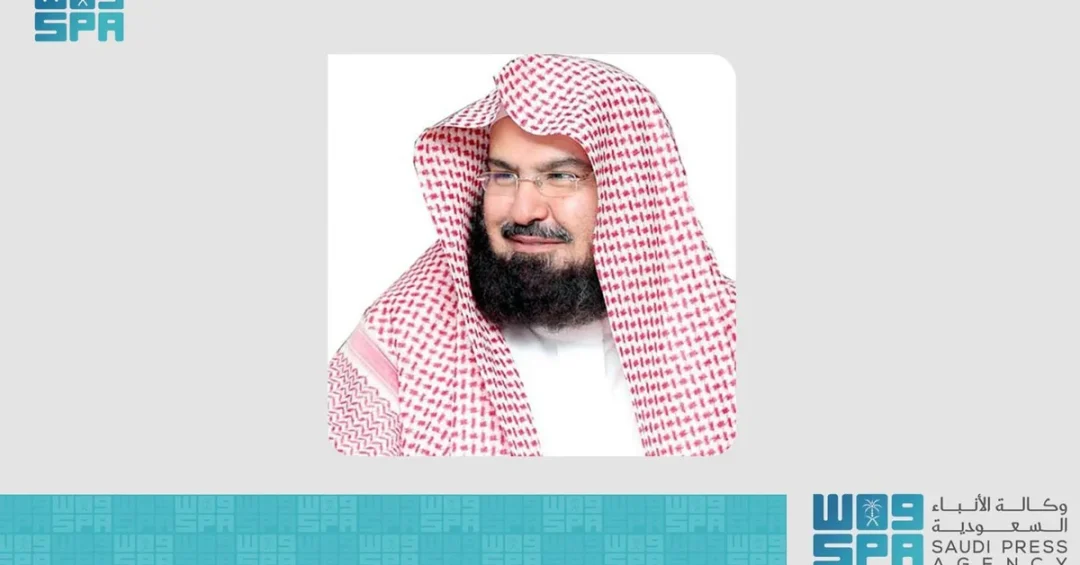
The Presidency of Religious Affairs at the Grand Mosque and the Prophet’s Mosque has begun developing a comprehensive plan for the Hajj season 1446 AH, aiming to further enhance the pilgrim experience and build on the unprecedented successes of the previous year. The announcement was made by Sheikh Dr. Abdulrahman Al-Sudais, President of Religious Affairs, who emphasized that the initiative seeks to turn challenges into positive opportunities and strengthen coordination across the Hajj system.
Context and Background
The Hajj, one of the five pillars of Islam, draws millions of pilgrims from around the world to the holy cities of Makkah and Madinah each year. Managing this immense gathering requires meticulous planning and collaboration among numerous Saudi government agencies. The Presidency of Religious Affairs, under the leadership of Sheikh Dr. Al-Sudais, plays a central role in providing religious guidance and services to pilgrims, ensuring their spiritual journey is both fulfilling and safe. The success of the 1445 AH Hajj season, attributed to the unwavering support of the Saudi leadership, set a high benchmark for future seasons. As the Kingdom prepares for 1446 AH, the Presidency is leveraging lessons learned to further elevate the quality and reach of its services.
Key Details of the Development Plan
Sheikh Dr. Al-Sudais outlined that the new plan focuses on several core areas: improving coordination with the broader Hajj system, collaborating with government agencies and partners, and adopting international quality standards for religious services. He noted that the 1445 AH season witnessed unprecedented successes in the type and quality of services provided, reflecting the Kingdom’s commitment to sharing its moderate message of tolerance and moderation with the world. The plan also emphasizes self-preservation and protection as fundamental principles rooted in tolerant Islamic Sharia. By building on these achievements, the Presidency aims to create an even more seamless and spiritually enriching experience for pilgrims in 1446 AH.
Implications and Impact
The development of this plan has significant implications for the millions of Muslims who undertake the Hajj pilgrimage annually. Enhanced services will not only improve logistical and spiritual support but also reinforce Saudi Arabia’s role as a gracious host and custodian of the Two Holy Mosques. The emphasis on coordination and quality reflects a broader strategy to showcase the Kingdom’s organizational capabilities and its dedication to serving Islam and Muslims worldwide. Furthermore, the plan’s focus on turning challenges into opportunities demonstrates a proactive approach to crisis management and continuous improvement, setting a global standard for large-scale religious event management.
Vision 2030 Alignment
This initiative aligns closely with Saudi Vision 2030, which seeks to enhance the quality of life for citizens and visitors alike, and to strengthen the Kingdom’s position as a global leader. By investing in the Hajj experience, Saudi Arabia not only fulfills its religious duties but also contributes to the economic and cultural diversification goals of Vision 2030. The Presidency’s efforts to provide world-class services reflect the visionary leadership of the Kingdom and its commitment to moderation, tolerance, and excellence. As the plan for 1446 AH takes shape, it promises to further elevate the pilgrimage experience and underscore Saudi Arabia’s pivotal role on the global stage.
20 Questions
Q1. What is the main goal of the new plan for Hajj 1446 AH?
A1. The plan aims to enhance the pilgrim experience, turn challenges into opportunities, and improve coordination with government agencies and partners to ensure a successful Hajj season.
Q2. Who announced the development of the plan?
A2. Sheikh Dr. Abdulrahman Al-Sudais, President of Religious Affairs at the Grand Mosque and the Prophet’s Mosque, announced the initiative.
Q3. What was the significance of the 1445 AH Hajj season?
A3. It witnessed unprecedented successes in the quality and type of religious services, attributed to the support of the Saudi leadership and the Presidency’s efforts.
Q4. How does the Presidency plan to improve services for 1446 AH?
A4. By enhancing coordination with the Hajj system, collaborating with partners, and adhering to international quality standards for religious services.
Q5. What role does the Saudi leadership play in the Hajj season?
A5. The leadership provides strong support and care, which is instrumental in achieving successful Hajj seasons and ensuring pilgrims’ welfare.
Q6. What message does Saudi Arabia aim to share through Hajj?
A6. The Kingdom shares its moderate message of tolerance and moderation with the world, promoting Islamic values.
Q7. What are the fundamental principles emphasized by Sheikh Dr. Al-Sudais?
A7. Self-preservation and protection, rooted in the principles of tolerant Islamic Sharia, are highlighted as fundamental.
Q8. How many pilgrims typically perform Hajj each year?
A8. Millions of pilgrims from around the world perform Hajj annually, making it one of the largest religious gatherings.
Q9. What is the role of the Presidency of Religious Affairs?
A9. It provides religious guidance and services to pilgrims at the Grand Mosque and the Prophet’s Mosque, ensuring a fulfilling spiritual journey.
Q10. When does Hajj 1446 AH take place?
A10. Hajj 1446 AH is expected to occur in 2025, following the Islamic lunar calendar.
Q11. What does ‘turning challenges into positive opportunities’ mean?
A11. It means proactively addressing potential issues and using them as chances to innovate and improve service delivery.
Q12. How does the plan align with Vision 2030?
A12. It supports Vision 2030 by enhancing quality of life, promoting moderation, and strengthening Saudi Arabia’s global leadership.
Q13. What government agencies are involved in the Hajj system?
A13. Various Saudi ministries and agencies, including the Ministry of Hajj and Umrah and security forces, collaborate for Hajj success.
Q14. What does ‘international quality standards’ refer to?
A14. It refers to benchmarks in service delivery, safety, and management that ensure excellence and meet global expectations.
Q15. How will the plan improve coordination?
A15. Through better communication, joint training, and integrated planning among all stakeholders involved in Hajj operations.
Q16. What was unique about the 1445 AH Hajj season?
A16. It featured enhanced services, technological integration, and a focus on pilgrim comfort, setting new records for quality.
Q17. What is the significance of the Two Holy Mosques?
A17. They are the holiest sites in Islam, attracting millions of worshippers and requiring meticulous care and management.
Q18. How does the Presidency ensure pilgrims’ safety?
A18. By implementing strict safety protocols, coordinating with security agencies, and providing medical and logistical support.
Q19. What is the expected outcome of the 1446 AH plan?
A19. It aims to deliver a seamless, spiritually enriching Hajj experience, further solidifying Saudi Arabia’s role as a gracious host.
Q20. How can the public support the success of Hajj 1446 AH?
A20. By respecting guidelines, cooperating with authorities, and upholding the values of tolerance and moderation that Hajj represents.
Reader Feedback
We value your thoughts. Please share your feedback on this article.
Your feedback helps us improve our coverage.