


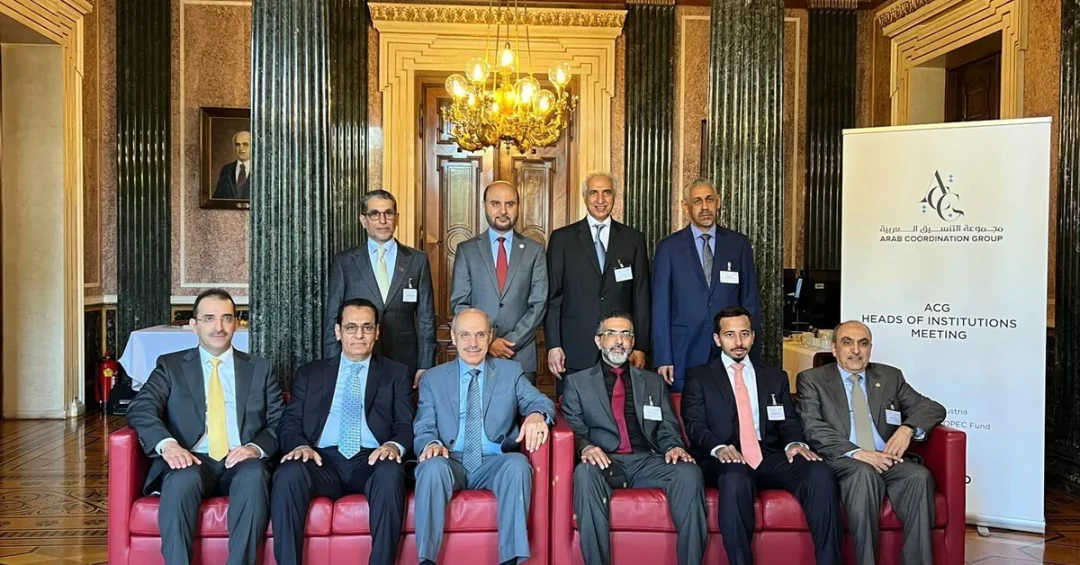
The heads of the Arab Coordination Group (ACG) institutions convened in Vienna on June 24, 2024, for their 19th meeting under the theme “Partnerships for A Better Future,” chaired by Dr. Mohammed Al-Jasser, President of the Islamic Development Bank Group (IsDB). The meeting brought together leaders from eight major Arab development funds to address pressing global economic challenges and enhance collective efforts toward sustainable development.
Context and Background
The Arab Coordination Group is a coalition of Arab national and regional development institutions that pool resources and expertise to support developing countries. Established in 1975, the ACG fosters coordination among its members to maximize the impact of development assistance. Its members include the Islamic Development Bank (IsDB), the Kuwait Fund for Arab Economic Development, the Qatar Fund for Development, the Arab Fund for Economic and Social Development, the OPEC Fund for International Development, the Arab Bank for Economic Development in Africa, the Arab Gulf Program for Development (AGFUND), and the Arab Monetary Fund. The 19th meeting in Vienna underscores the group’s commitment to addressing global challenges through collaborative action.
Key Details
During the meeting, the heads of institutions discussed the group’s collective efforts to promote sustainable development worldwide. Key areas of focus included infrastructure, healthcare, food security, and clean and renewable energy. The ACG leverages a wide range of skills, qualifications, and experience, sharing knowledge and implementing innovative initiatives efficiently to meet the needs of developing countries and support the sustainable development goals of its member states. Dr. Al-Jasser emphasized the importance of partnerships in achieving a better future, highlighting the role of the ACG in mobilizing resources for impactful projects.
Implications and Impact
The ACG’s coordinated approach amplifies the effectiveness of development aid, allowing member institutions to address large-scale challenges that individual entities might struggle to tackle alone. By focusing on infrastructure, healthcare, food security, and renewable energy, the group directly contributes to the United Nations Sustainable Development Goals (SDGs). The meeting’s outcomes are expected to lead to joint initiatives that will benefit developing countries across Africa, Asia, and the Middle East. Furthermore, the ACG’s efforts align with Saudi Arabia’s Vision 2030, which emphasizes sustainable development, economic diversification, and global partnerships.
Vision 2030 Alignment
Saudi Arabia, through its active participation in the ACG and its own Vision 2030, remains committed to fostering international cooperation and sustainable development. The Kingdom’s leadership in the ACG reflects its dedication to supporting developing nations and promoting global stability. As the ACG continues to implement innovative initiatives, Saudi Arabia’s role will be crucial in driving progress toward a more prosperous and sustainable future for all. This meeting in Vienna marks another step in the ACG’s journey to build partnerships that yield tangible results, aligning with the Kingdom’s long-term vision of a diversified and globally engaged economy.
20 Questions
Q1. What is the Arab Coordination Group (ACG)?
A1. The ACG is a coalition of Arab national and regional development institutions that coordinate efforts to support developing countries through joint initiatives and resource pooling. It was established in 1975 to enhance the impact of development assistance.
Q2. When and where did the 19th ACG meeting take place?
A2. The 19th ACG meeting was held in Vienna on June 24, 2024. It brought together heads of member institutions to discuss global economic challenges and sustainable development.
Q3. Who chaired the 19th ACG meeting?
A3. Dr. Mohammed Al-Jasser, President of the Islamic Development Bank Group (IsDB), chaired the meeting. His leadership underscored the IsDB’s active role in coordinating development efforts.
Q4. What was the theme of the 19th ACG meeting?
A4. The theme was “Partnerships for A Better Future,” reflecting the group’s focus on collaborative solutions to global challenges and its commitment to sustainable development.
Q5. Which organizations are members of the ACG?
A5. Members include the Islamic Development Bank, Kuwait Fund for Arab Economic Development, Qatar Fund for Development, Arab Fund for Economic and Social Development, OPEC Fund for International Development, Arab Bank for Economic Development in Africa, AGFUND, and the Arab Monetary Fund.
Q6. What are the primary objectives of the ACG?
A6. The ACG aims to promote sustainable development worldwide, focusing on infrastructure, healthcare, food security, and renewable energy. It leverages members’ expertise to implement effective initiatives for developing countries.
Q7. How does the ACG support developing countries?
A7. The ACG provides financial and technical assistance, shares knowledge, and implements innovative projects tailored to the needs of developing countries. It also helps align efforts with the Sustainable Development Goals.
Q8. What key areas were discussed at the Vienna meeting?
A8. Discussions covered infrastructure, healthcare, food security, and clean and renewable energy. These areas are critical for sustainable development and improving quality of life in developing nations.
Q9. How does the ACG contribute to the UN Sustainable Development Goals?
A9. By focusing on infrastructure, health, food security, and energy, the ACG directly supports several SDGs, including poverty reduction, health, and sustainable communities. Its coordinated approach enhances the impact of development aid.
Q10. What is Saudi Arabia’s role in the ACG?
A10. Saudi Arabia, through the Islamic Development Bank and other institutions, plays a key leadership role in the ACG. The Kingdom is committed to fostering international cooperation and sustainable development.
Q11. How does the ACG align with Saudi Vision 2030?
A11. The ACG’s goals of sustainable development and global partnerships align with Vision 2030’s emphasis on economic diversification and international engagement. Saudi Arabia’s participation reflects its commitment to these objectives.
Q12. What are the expected outcomes of the Vienna meeting?
A12. The meeting is expected to lead to enhanced collaboration and joint initiatives among member institutions. These will address global economic challenges and accelerate progress toward sustainable development.
Q13. How does the ACG leverage member expertise?
A13. The ACG shares knowledge and best practices among its members, combining their skills and experience to implement efficient and innovative development projects that meet the needs of developing countries.
Q14. What types of projects does the ACG support?
A14. The ACG supports projects in infrastructure, healthcare, food security, and renewable energy. These projects aim to improve livelihoods, boost economic growth, and promote sustainability in developing nations.
Q15. How often does the ACG hold meetings?
A15. The ACG holds annual meetings, with the 19th meeting taking place in 2024. These gatherings provide a platform for member institutions to coordinate strategies and assess progress.
Q16. What is the significance of the ACG’s work for the Middle East?
A16. The ACG’s work promotes stability and prosperity in the Middle East by supporting development in the region. It also strengthens ties among Arab nations and fosters South-South cooperation.
Q17. How does the ACG address global economic challenges?
A17. The ACG addresses global challenges by pooling resources and expertise to implement sustainable development projects. Its coordinated approach allows for efficient responses to issues like poverty, health crises, and climate change.
Q18. What is the Islamic Development Bank’s role in the ACG?
A18. The IsDB, headed by Dr. Al-Jasser, plays a pivotal role in the ACG by providing leadership, financial resources, and technical expertise. It helps steer the group’s agenda toward impactful development.
Q19. How can developing countries benefit from ACG initiatives?
A19. Developing countries benefit from ACG initiatives through improved infrastructure, better healthcare, enhanced food security, and access to clean energy. These projects spur economic growth and improve living standards.
Q20. What is the future outlook for the ACG?
A20. The ACG is poised to expand its impact through strengthened partnerships and innovative financing. It will continue to support sustainable development, aligning with global goals and the aspirations of its member states.
Reader Feedback
We value your thoughts. Please share your feedback on this article.
Your feedback helps us improve our coverage.