


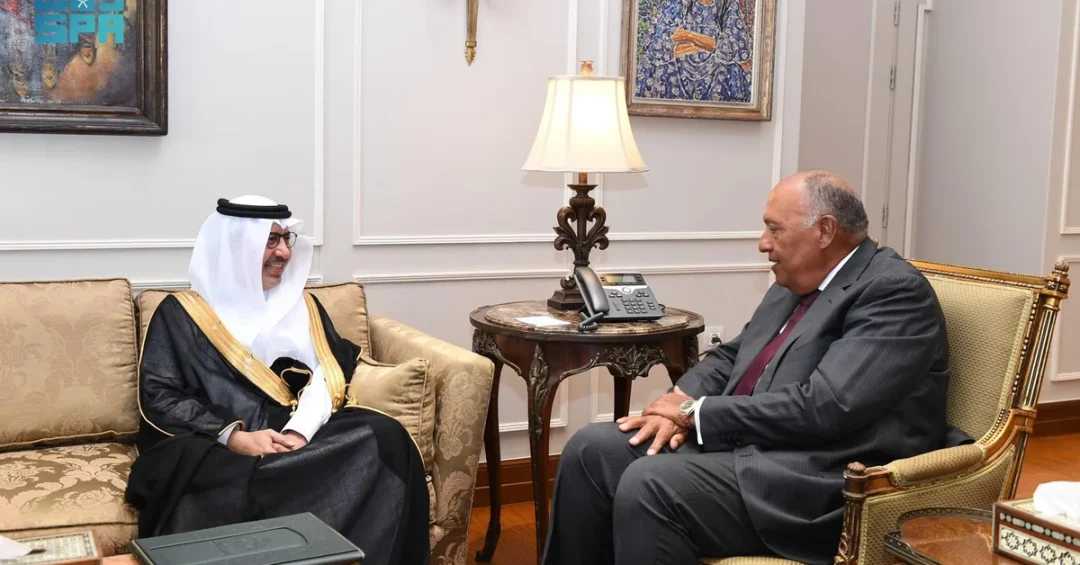
Newly appointed Saudi Ambassador to Egypt Saleh bin Eid Al-Husseini presented his credentials to Egyptian Foreign Minister Sameh Shoukry in Cairo on June 25, 2024, marking a significant step in reinforcing the deep-rooted ties between the Kingdom of Saudi Arabia and the Arab Republic of Egypt. The official ceremony, reported by the Saudi Press Agency (SPA), underscores the enduring partnership between the two nations and their shared commitment to regional stability, economic cooperation, and cultural exchange.
Context and Background
Saudi-Egyptian relations have long been a cornerstone of Arab unity and regional security. Historically, the two countries have collaborated closely on political, economic, and security matters, with Saudi Arabia consistently supporting Egypt’s stability and development. The appointment of Ambassador Al-Husseini comes at a time when both nations are actively pursuing ambitious national transformation agendas—Saudi Vision 2030 and Egypt Vision 2030—which present new opportunities for bilateral cooperation in trade, investment, energy, and tourism.
Diplomatic exchanges between Riyadh and Cairo have intensified in recent years, reflecting a shared vision for a prosperous and secure Middle East. The credentials presentation is a routine yet vital diplomatic protocol that formally recognizes the ambassador’s authority to represent the Kingdom in Egypt, paving the way for enhanced collaboration across multiple sectors.
Key Details
During the reception, Minister Shoukry welcomed Ambassador Al-Husseini and expressed his best wishes for the ambassador’s success in his new role. He highlighted the depth of the historical relations between Saudi Arabia and Egypt, emphasizing the importance of continued coordination on regional and international issues.
In response, Ambassador Al-Husseini conveyed his aspirations to diligently implement the directives of the Custodian of the Two Holy Mosques, King Salman bin Abdulaziz Al Saud, and His Royal Highness Prince Mohammed bin Salman bin Abdulaziz Al Saud, Crown Prince and Prime Minister. He stressed his commitment to strengthening the existing strategic and strong relations between the Kingdom and Egypt across all fields, including political, economic, cultural, and defense cooperation.
Implications and Impact
The presentation of credentials is more than a ceremonial formality; it signals the continuation of robust diplomatic engagement between two pivotal Arab nations. Saudi Arabia and Egypt are key players in shaping regional dynamics, and their partnership is instrumental in addressing challenges such as economic development, security, and stability. Enhanced bilateral ties can lead to increased trade and investment flows, joint infrastructure projects, and greater people-to-people exchanges, benefiting both economies and their citizens.
On the international stage, a united Saudi-Egyptian front can advocate for Arab interests and contribute to global peace and security. The ambassador’s mission will likely focus on advancing these shared goals, leveraging the strong foundation laid by decades of cooperation.
Vision 2030 Alignment
Ambassador Al-Husseini’s appointment and his stated objectives align seamlessly with Saudi Vision 2030, which seeks to diversify the Kingdom’s economy, strengthen international partnerships, and enhance its global standing. Egypt, with its strategic location and large market, is a vital partner in this endeavor. By deepening ties with Egypt, Saudi Arabia not only reinforces regional stability but also creates new avenues for economic growth, investment, and cultural exchange that support the Vision’s goals of a vibrant society and a thriving economy.
As both nations continue to implement their transformative agendas, the Saudi-Egyptian partnership is poised to serve as a model for Arab cooperation, driving progress and prosperity for the entire region.
20 Questions
Q1. Who is the newly appointed Saudi Ambassador to Egypt?
A1. Saleh bin Eid Al-Husseini is the newly appointed Ambassador of the Kingdom of Saudi Arabia to the Arab Republic of Egypt, as reported by the Saudi Press Agency.
Q2. When did Ambassador Al-Husseini present his credentials?
A2. He presented his credentials on June 25, 2024, in Cairo, Egypt, according to the official announcement from the Saudi Press Agency.
Q3. To whom did Ambassador Al-Husseini present his credentials?
A3. He presented his credentials to Egyptian Foreign Minister Sameh Shoukry during a formal ceremony in Cairo.
Q4. What did Minister Shoukry say during the reception?
A4. Minister Shoukry welcomed Ambassador Al-Husseini, wished him success in his mission, and noted the depth of historical relations between Saudi Arabia and Egypt.
Q5. What did Ambassador Al-Husseini express upon presenting his credentials?
A5. He expressed aspirations to continue implementing the directives of King Salman and Crown Prince Mohammed bin Salman to strengthen strategic relations between the Kingdom and Egypt.
Q6. Why is the Saudi-Egyptian relationship important?
A6. The relationship is a cornerstone of Arab unity and regional security, with both nations collaborating closely on political, economic, and security matters.
Q7. How does this appointment align with Saudi Vision 2030?
A7. It aligns with Vision 2030 by strengthening international partnerships and enhancing economic diversification through deeper ties with Egypt, a key regional partner.
Q8. What sectors are expected to benefit from enhanced Saudi-Egyptian cooperation?
A8. Trade, investment, energy, tourism, and cultural exchange are among the sectors poised to benefit from stronger bilateral relations.
Q9. What is the significance of presenting credentials in diplomacy?
A9. Presenting credentials formally recognizes the ambassador’s authority to represent his country, enabling official diplomatic engagement and cooperation.
Q10. Who are the Saudi leaders whose directives Ambassador Al-Husseini aims to implement?
A10. The Custodian of the Two Holy Mosques, King Salman bin Abdulaziz Al Saud, and Crown Prince Mohammed bin Salman bin Abdulaziz Al Saud, Prime Minister.
Q11. What are the historical ties between Saudi Arabia and Egypt?
A11. The two countries share deep historical, cultural, and economic ties, with Saudi Arabia consistently supporting Egypt’s stability and development over decades.
Q12. How might this appointment impact regional stability?
A12. It reinforces a united Saudi-Egyptian front, which is instrumental in addressing regional challenges and promoting peace and security.
Q13. What role does the Saudi Press Agency play in this announcement?
A13. The Saudi Press Agency (SPA) is the official source that reported the credentials presentation, ensuring accurate and authoritative information.
Q14. What is Egypt Vision 2030 and how does it relate to Saudi Vision 2030?
A14. Egypt Vision 2030 is Egypt’s national transformation plan, similar to Saudi Vision 2030, focusing on economic development and modernization, creating synergies for bilateral cooperation.
Q15. Will this appointment lead to new agreements between Saudi Arabia and Egypt?
A15. While specific agreements are not announced, the strengthened diplomatic ties are expected to facilitate further cooperation and potential agreements in various fields.
Q16. How does this event reflect Saudi Arabia’s foreign policy?
A16. It reflects Saudi Arabia’s commitment to maintaining strong regional alliances and actively engaging with key Arab nations to promote mutual interests.
Q17. What is the significance of Cairo as the location for this ceremony?
A17. Cairo, as the capital of Egypt, is the diplomatic hub where ambassadors officially present their credentials to begin their mission.
Q18. What are the expectations for Ambassador Al-Husseini’s tenure?
A18. He is expected to work on deepening strategic relations, enhancing economic cooperation, and representing Saudi interests effectively in Egypt.
Q19. How does this appointment benefit Saudi citizens and businesses?
A19. It can lead to increased trade and investment opportunities, job creation, and stronger people-to-people ties, benefiting both nations’ citizens and businesses.
Q20. What message does this send to the international community?
A20. It signals the enduring strength of Saudi-Egyptian relations and their shared commitment to regional stability, development, and cooperation.
Reader Feedback
We value your thoughts. Please share your feedback on this article.
Your feedback helps us improve our coverage.